Why Your Schipperke Needs Professional Grooming (Do Not Let That Size Fool You)
Why Your Schipperke Needs Professional Grooming (Do Not Let That Size Fool You)
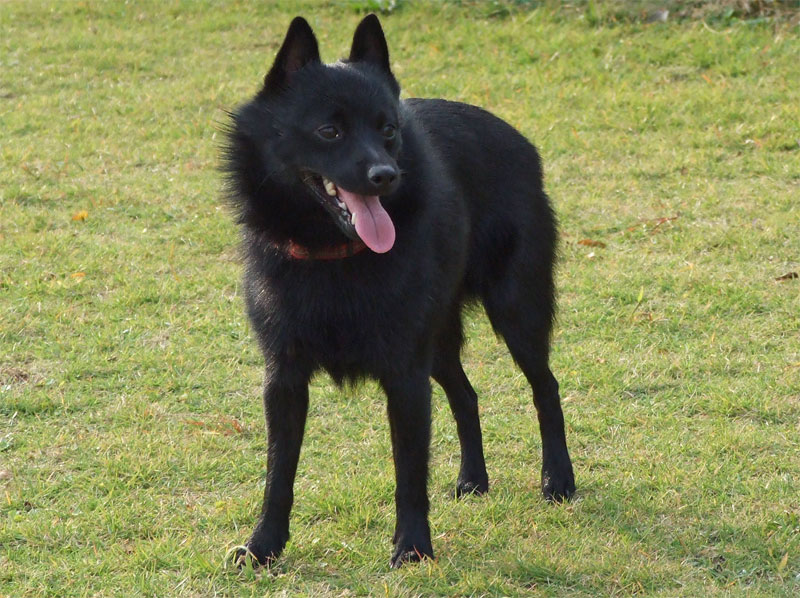
Schipperkes are small, black, and full of opinions. These 10 to 16 pound dogs were originally bred as watchdogs and ratters on Belgian canal boats, earning them the nickname "Little Captain." Their distinctive silhouette -- featuring a dramatic ruff around the neck, a cape across the shoulders, and culottes on the back legs -- is not just breed standard window dressing. It is an actual coat structure that requires specific maintenance.
Small dogs with big coats need professional grooming. Here is why your Schipperke is no exception.
The Schipperke Coat Is More Complex Than It Looks
At first glance, Schipperkes look like sleek little black dogs. Their coat appears manageable -- no long flowing fur, no elaborate styling. But the Schipperke coat has a structure unlike most breeds their size.
The coat is a double coat with three distinct lengths:
This creates the breed's characteristic silhouette: a sloping topline from higher shoulders down to the rump, accentuated by the cape and ruff. According to the Schipperke Club of America, maintaining this silhouette is part of proper coat care, not just show ring aesthetics.
Underneath all of this sits a soft, dense undercoat that keeps the Schipperke warm and creates most of the grooming work.
What Professional Grooming Does for a Schipperke
Managing the Undercoat
Schipperkes blow their entire undercoat several times per year -- and when they do, the transformation is dramatic. A breed known for looking plush and full suddenly looks thin and sleek until the undercoat grows back. This blowout dumps an enormous volume of soft undercoat over two to three weeks.
Professional groomers use high-velocity dryers and undercoat-specific tools to remove loose and dead undercoat that home brushing misses. This speeds the blowout process, reduces the chaos of fur in your home, and prevents dead undercoat from packing against the skin.
Maintaining the Silhouette
The Schipperke's ruff, cape, jabot, and culottes are not just decorative -- they are breed-defining features. A skilled groomer knows how to maintain these areas without destroying the natural silhouette. This means selective trimming to neaten edges, removing stray hairs that break the line, and shaping the transition between coat lengths.
This is not aggressive scissoring or clipping. It is subtle grooming that enhances the natural coat shape.
Skin and Health Monitoring
Schipperkes are an all-black breed, and dark skin under dark fur makes it harder to spot issues visually. Professional groomers use touch as much as sight when checking the skin. They part the coat section by section, feeling for lumps, hot spots, flaking, and parasites that the solid black coat conceals.
A 2024 veterinary study noted that dark-coated breeds often have skin conditions diagnosed later than light-coated breeds simply because visual symptoms are harder to spot. Professional grooming adds a regular hands-on health check.
Ear Care
Schipperkes have small, triangular, erect ears. While erect ears are less infection-prone than floppy ears, they are exposed to more environmental debris -- dirt, pollen, and insects. Professional ear cleaning during grooming sessions keeps the ear canal clear.
Nail Maintenance
At 10 to 16 pounds, Schipperkes have small nails that are often black, making the quick difficult to see. Professional groomers have the tools and experience to trim dark nails safely, maintaining proper paw mechanics without cutting too short.
What Happens When Grooming Is Neglected
- Undercoat compaction. Dead undercoat mats against the skin under the topcoat, invisible from outside but causing heat retention and skin irritation.
- Loss of silhouette. Without maintenance, the ruff, cape, and culottes become uneven and scraggly. The breed's distinctive shape disappears.
- Skin issues hidden by dark coat. Problems develop and progress undetected longer on black-coated dogs without regular professional skin checks.
- Shedding chaos during blowouts. Without professional undercoat extraction, blowout fur ends up on every surface in your home for weeks.
- Nail problems. Black nails that are too long cause gait changes and discomfort, and nervous home trimming leads to quick strikes.
Grooming Schedule for a Schipperke
| Period | Frequency | Focus | |--------|-----------|-------| | During blowout (2-3 times/year) | Every 3-4 weeks | Heavy undercoat removal, full deshedding | | Between blowouts | Every 6-8 weeks | Maintenance, silhouette shaping, skin checks |
Between professional visits, brush once or twice weekly with a slicker brush and steel comb. Increase to daily during blowouts.
A Unique Shedding Pattern
Schipperkes do not shed like most double-coated breeds. Rather than gradual seasonal shedding with peaks, many Schipperkes blow their entire undercoat in one dramatic event. The Schipperke Club of America notes that intact females may blow coat after each heat cycle, while spayed females and males typically blow coat once or twice per year.
During a full blowout, a Schipperke can look like a completely different dog -- going from plush and fully coated to sleek and almost smooth within two weeks. The undercoat then regrows over four to eight weeks. This is normal and not a sign of illness.
Finding the Right Groomer
Schipperkes are not common. Most groomers have limited experience with the breed. Look for someone who:
- Understands double coat care on small breeds
- Will not recommend shaving the coat
- Can maintain the natural silhouette without over-trimming
- Uses high-velocity drying for deshedding
- Is comfortable working with a small, energetic dog that may have strong opinions about the process
The Investment
Professional grooming for a Schipperke runs $45 to $70 per session -- lower than many breeds thanks to their small size. Annual grooming costs typically fall between $500 and $750. Use our free pricing calculator → Compare that with the cost of treating a skin condition that went undetected under a dark double coat: $150 to $400 per vet visit.
For a breed that is naturally healthy and long-lived (average 12 to 16 years), consistent grooming is part of the longevity equation.
PawOps helps grooming salons assess unique coat structures like the Schipperke's three-length system using breed-specific coat profiles -- so your Little Captain gets grooming that respects their distinctive silhouette and coat needs.
Related Reading: