Understanding Your Schnoodle's Coat: What Every Owner Should Know
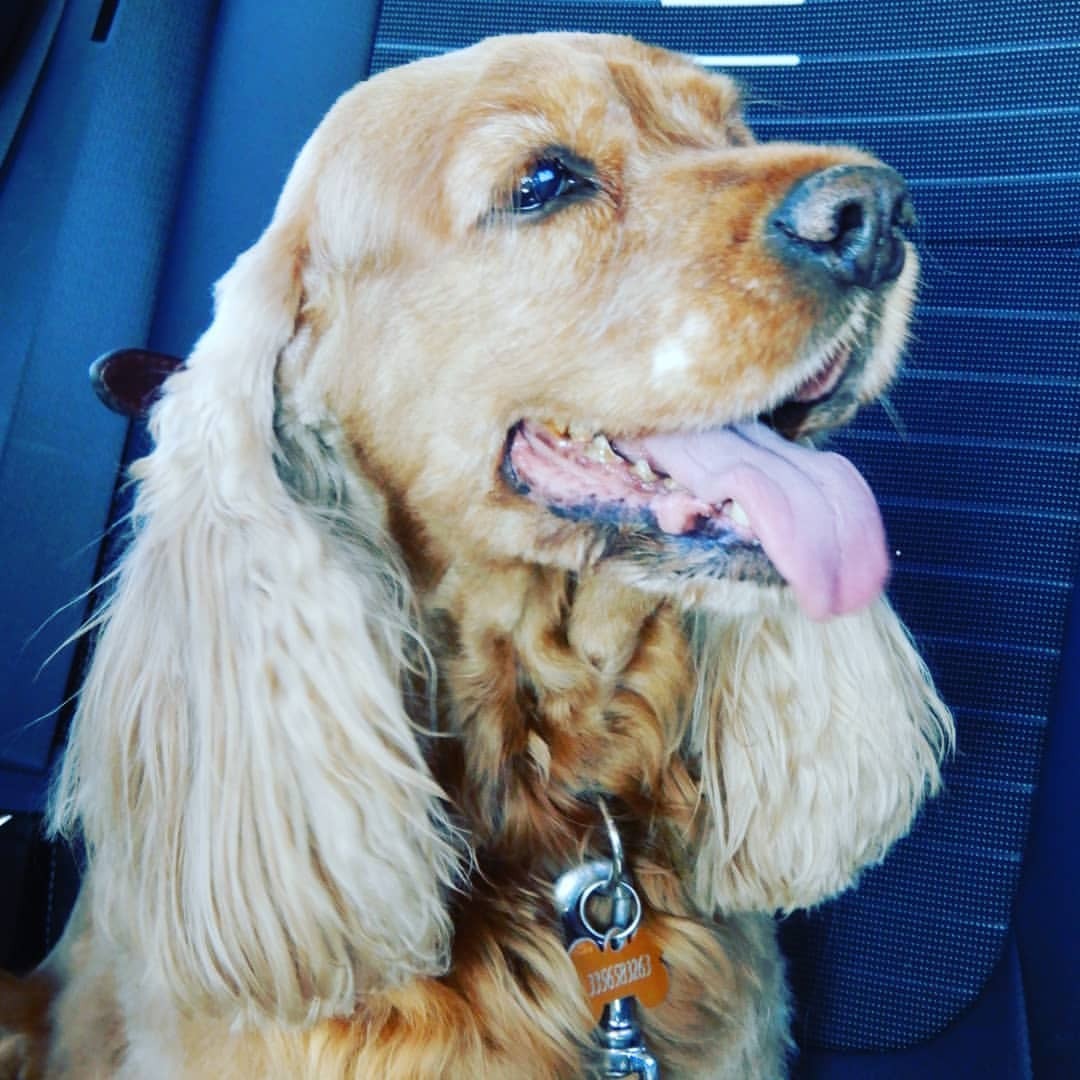
Understanding Your Schnoodle's Coat: What Every Owner Should Know
The Schnoodle coat is one of the most interesting and most misunderstood coats in the designer breed world. It's the product of two parent breeds with dramatically different coat architectures, and the result is a coat that doesn't behave quite like either one.
If you've been treating your Schnoodle's coat like a Poodle coat or a Schnauzer coat, you might be getting it wrong. Let's dig into what's actually going on with that unique fur.
The Genetic Mashup That Creates a Schnoodle Coat
To understand your Schnoodle's coat, you need to understand what each parent brings to the table -- because these are not subtle differences.
The Schnauzer contribution: Schnauzers have a distinctive double coat. The undercoat is soft, dense, and close to the body. The outer coat is harsh, wiry, and stands slightly away from the body. In the show ring, this outer coat is maintained through hand-stripping -- a technique where dead wiry hairs are plucked rather than cut, encouraging new wiry growth. When a Schnauzer coat is clipped instead of stripped, the texture often softens over time.
The Poodle contribution: Poodles have a single coat (no undercoat) of dense, tightly curled hair that grows continuously. The curl pattern varies from tight ringlets to loose waves. Poodle hair is often described as "hair" rather than "fur" because of its texture and growth pattern.
Now mix those together. You get a coat that might be:
- Wiry with a wave
- Curly with a rough texture
- Soft and wavy with patches of coarser hair
- Dense and spiraling with or without an undercoat
The Undercoat Question
This is where the Schnoodle coat gets genuinely tricky, and it's something that even experienced groomers sometimes miss.
Purebred Poodles don't have undercoats. Purebred Schnauzers do. Schnoodles? It's a coin flip.
Some Schnoodles develop a clear undercoat -- a soft, dense layer close to the skin beneath their outer coat. Others have a single-coat structure more like the Poodle parent. And some have a partial undercoat -- denser in some areas (typically chest, neck, and hindquarters) and absent in others.
Why this matters: if your Schnoodle has an undercoat and you don't know it, that undercoat is matting against the skin while the outer coat looks perfectly maintained. This is the single most common reason Schnoodle owners are shocked when their groomer finds severe matting on a dog they've been brushing regularly.
How to check: Part your Schnoodle's coat in several spots -- chest, neck, sides, hindquarters. Look at what's happening at skin level. If you see a soft, downy layer beneath the longer outer hair, your dog has an undercoat and needs grooming techniques that address both layers.
Shedding: The Real Story
Schnoodles are frequently marketed as non-shedding or very low-shedding. Here's the nuanced truth.
Schnoodles with Poodle-dominant single coats: Very low shedding. Dead hair gets trapped in the curls rather than falling out, which means less hair on your furniture but more matting potential if you don't brush it out.
Schnoodles with Schnauzer-influenced double coats: Low to moderate shedding. The undercoat sheds, though less dramatically than heavy-shedding breeds. You'll find some hair on furniture and clothing, especially during seasonal transitions.
All Schnoodles: Shed less than average, but not zero. The continuously growing coat (from both parents) means hair turnover happens within the coat rather than onto your floor. This is why regular brushing matters so much -- you're doing the shedding process manually rather than letting it happen naturally.
A veterinary dermatology study found that while Poodle mixes produce less loose hair than breeds like Labs or Shepherds, they produce comparable amounts of dander. For allergy sufferers, the reduced airborne hair helps, but dander trapped in the coat gets released during petting and play.
Reading Your Schnoodle's Coat Health
The Schnoodle coat is an excellent health barometer once you know what to look for:
Healthy indicators:
- Consistent texture throughout (for your dog's specific type)
- Clean, non-greasy feel
- Skin beneath the coat is pink and clean
- Facial furnishings are soft and flexible, not stiff or brittle
- Coat grows at a steady, predictable rate
- Coat becoming softer when it should be wiry: If your Schnoodle has a wiry coat that's gradually softening, it might be related to clipping technique. Repeated clipping can permanently soften wiry coats (cutting the hair changes its texture over time, unlike hand-stripping which preserves wiriness). This isn't a health issue, but it changes how the coat behaves.
- Localized hair loss or thinning: Could indicate allergies (Schnauzers are particularly prone to food and environmental allergies), hormonal issues, or skin infection. Schnauzers also have a breed-specific condition called Schnauzer Comedone Syndrome -- blackhead-like bumps along the back that can cause hair loss in affected areas. Schnoodles can inherit this.
- Excessive beard staining: Some yellowing of the beard from food and saliva is normal. Heavy brown or red staining suggests yeast overgrowth, often linked to moisture being trapped in the facial hair.
- Dry, flaky skin visible through the coat: Can indicate environmental dryness, dietary deficiency (omega fatty acids are key), or early signs of sebaceous adenitis, a condition both parent breeds are susceptible to.
- Greasy patches or odor: Schnauzer-type skin tends toward oiliness, and this trait can show up in Schnoodles. Persistent greasiness or a musty smell usually points to skin infection or seborrhea.
The Schnoodle Coat Through Life
Your Schnoodle's coat evolves significantly over their lifetime:
Puppy coat (birth to 6-8 months): Soft, manageable, and often straighter or wavier than the adult coat will be. Use this period to establish grooming habits -- get your puppy comfortable with brushing, handling, and groomer visits. The coat is easy now, but the habits you build are for the challenging years ahead.
Coat transition (6-14 months): The adult coat grows in while the puppy coat is still present. This creates a matting bonanza as two different textures coexist and tangle together. Many Schnoodle owners experience their first "groomer said we have to shave" moment during this phase. More frequent professional grooming (every 3-4 weeks) during the transition prevents this.
Adult coat (1-8 years): The coat type is established. Wiry, wavy, curly, or some combination -- this is what you're working with. Consistency in grooming routine is everything during these years.
Senior coat (8+ years): Expect gradual changes. Wiry coats often soften. Dense coats may thin. Color changes are common -- many Schnoodles lighten with age. The coat may need gentler handling and adjusted grooming products as the skin becomes more sensitive.
Home Care That Actually Works
Brushing Protocol
Frequency: Every other day for wavy/curly coats, 3 times weekly for wiry coats.
Body:
- Start with a slicker brush, working in sections from tail to head
- Follow with a metal comb, checking for tangles the slicker missed
- Part the coat and brush/comb each layer separately if your dog has an undercoat
- Pay extra attention to legs, chest, and anywhere clothing or harnesses make contact
- Comb the beard daily with a fine-toothed comb
- Comb through the eyebrows gently
- Use a damp cloth to clean food residue from the beard after meals
Bathing
- Every 3-4 weeks, or as needed
- Use a shampoo matched to your coat type (wiry coats benefit from texturizing shampoo; soft/curly coats need moisturizing formulas)
- Condition the coat -- especially important for Schnoodles with wiry outer coats that can become brittle
- Dry completely using a dryer while brushing. Never let a Schnoodle air-dry -- the coat will mat
Nutrition
- Omega-3 and omega-6 supplementation improves coat quality significantly in Schnoodles
- Adequate protein supports the continuous hair growth cycle
- Watch for food allergies -- Schnauzers are among the breeds most prone to food sensitivities, and this passes to Schnoodles. Common triggers: chicken, beef, wheat, corn
The Beard -- Special Attention Required
The Schnoodle beard deserves its own category. It's the feature that makes Schnoodles look like wise old professors, and it's the feature that requires the most daily maintenance.
- Comb it daily. Every day. No exceptions.
- Wipe it after meals and water breaks
- Watch for moisture-related skin irritation on the chin beneath the beard
- Trim the lower edge if it's collecting debris
- Consider a snood (a fabric tube that keeps the beard clean) during meals if your Schnoodle is a particularly messy eater
---
Ready to streamline your grooming workflow? PawOps Board Manager helps salons track every Schnoodle from check-in to pickup with real-time visibility. Start your free 30-day trial →