Why Your Scottish Deerhound Needs Professional Grooming
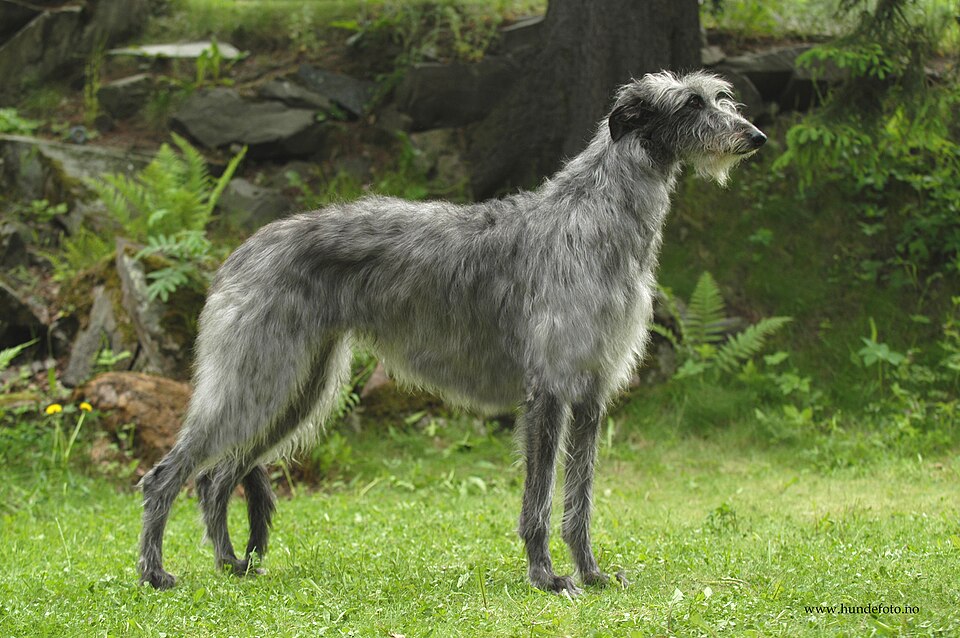
The Scottish Deerhound is a magnificent contradiction -- a gentle giant standing up to 32 inches tall with a coat that looks wild and unkempt but is actually precisely engineered for the harsh Scottish Highlands. That rough, wiry coat needs professional attention not because it should look polished, but because maintaining its function requires expertise most owners lack.
A Giant Breed with Giant Coat Needs
At 75-110 pounds and up to 32 inches at the shoulder, the Scottish Deerhound is one of the largest breeds in the sighthound group. Their size alone makes professional grooming important -- there's simply a lot of dog to maintain, and doing it properly at home is physically challenging.
But size isn't the real reason professional grooming matters. It's the coat itself.
The Deerhound's coat is harsh, wiry, and approximately 3-4 inches long over most of the body. It was developed to protect against Scottish Highland weather -- driving rain, freezing temperatures, cutting winds, and rough terrain. Without proper maintenance, this coat loses its protective properties and becomes matted, uncomfortable, and dysfunctional.
The Wiry Coat: Why It's Different
Scottish Deerhound coat isn't like other wire-coated breeds. It's longer, softer in some areas, and grows in a pattern that requires understanding:
Body coat: Harsh, wiry, 3-4 inches. Should feel like rough wool -- not soft, not silky.
Head coat: Softer than body, forming a slight beard and eyebrows. The head should have a "wise" expression, not be obscured by excessive hair.
Belly and chest: Softer, less dense. Often the first area where matting occurs because owners forget to check it.
Legs: Long furnishings, especially on the backs of the thighs and forelegs. These tangle easily.
Tail: Long, tapered, covered in wiry hair. Carried low -- drags through puddles, mud, and undergrowth.
According to the Scottish Deerhound Club of America, coat-related veterinary visits rank among the top five reasons owners seek professional help for the breed. Most of these are preventable with regular grooming.
Hand-Stripping for Deerhounds
Yes, Scottish Deerhounds benefit from hand-stripping -- though the approach differs from small terrier breeds:
- Strip the body coat to maintain harsh texture (every 10-14 weeks)
- Use finger-and-thumb technique or stripping stone on large surface areas
- DON'T strip furnishings -- these are tidied but maintained long
- Focus on removing dead coat that's blocking new growth
The Matting Risk
Scottish Deerhound coats mat. It's not a question of if -- it's a question of how quickly when maintenance lapses:
High-matting areas:
- Behind the ears
- Under the forelegs (armpits)
- Belly and groin
- Between the back legs
- Where collar or harness sits
- Long coat + activity = friction-based tangling
- Softer areas (belly, chest) tangle faster than harsh body coat
- Outdoor activities introduce debris that acts as matting nuclei
- The coat is long enough to wrap around itself during movement
Size-Specific Grooming Challenges
Grooming a dog this large requires:
Physical space: A Deerhound doesn't fit on a standard grooming table. Professionals either use large-breed tables, floor grooming setups, or custom elevated platforms.
Time investment: A full Deerhound grooming session takes 2-3 hours. That's longer than most owners can manage at home with proper technique.
Ergonomic tools: Standard brushes and combs designed for 20-pound terriers don't cut it. Professional groomers use appropriate-sized tools for efficient work on a large-breed wiry coat.
Handling expertise: Deerhounds are gentle but large. They need calm, confident handling to stay relaxed during extended grooming sessions.
Health Monitoring at Scale
A professional groomer's full-body assessment of a Scottish Deerhound is essentially a hands-on wellness check of a very large dog:
- Joint health: Deerhounds are prone to osteosarcoma and joint issues. Groomers notice sensitivity, swelling, or lameness.
- Bloat awareness: As a deep-chested breed, Deerhounds are at high risk for bloat/GDV. Post-grooming behavior monitoring is important.
- Heart condition signs: Dilated cardiomyopathy is a breed concern. Groomers may notice exercise intolerance, coughing, or unusual fatigue.
- Skin issues: Hidden under that long coat, lumps, lesions, and parasites can go unnoticed for months.
What a Professional Session Covers
A complete Scottish Deerhound grooming session:
Total: 2.5-3.5 hours. This is a significant time investment from a skilled professional.
The Right Schedule
Scottish Deerhounds need professional grooming every 8-12 weeks:
- Full groom with stripping: Every 10-12 weeks
- Maintenance groom (tidy, demat, check): Every 5-6 weeks (between full sessions)
- Nail trim: Every 3-4 weeks
Finding a Deerhound-Capable Groomer
Not every grooming salon can accommodate a Scottish Deerhound:
- Confirm they have appropriate table or floor space for giant breeds
- Ask about experience with sighthound-type wiry coats
- Ensure they allow adequate time (2+ hours) for the appointment
- Verify they're comfortable with hand-stripping or at minimum carding
- Check their bathing setup handles a 100+ pound wet dog safely
---
Ready to streamline your grooming workflow? PawOps Board Manager helps salons track every Scottish Deerhound from check-in to pickup with real-time visibility. Start your free 30-day trial →