Why Your Scottish Terrier Needs Professional Grooming (Don't Let That Independent Streak Fool You)
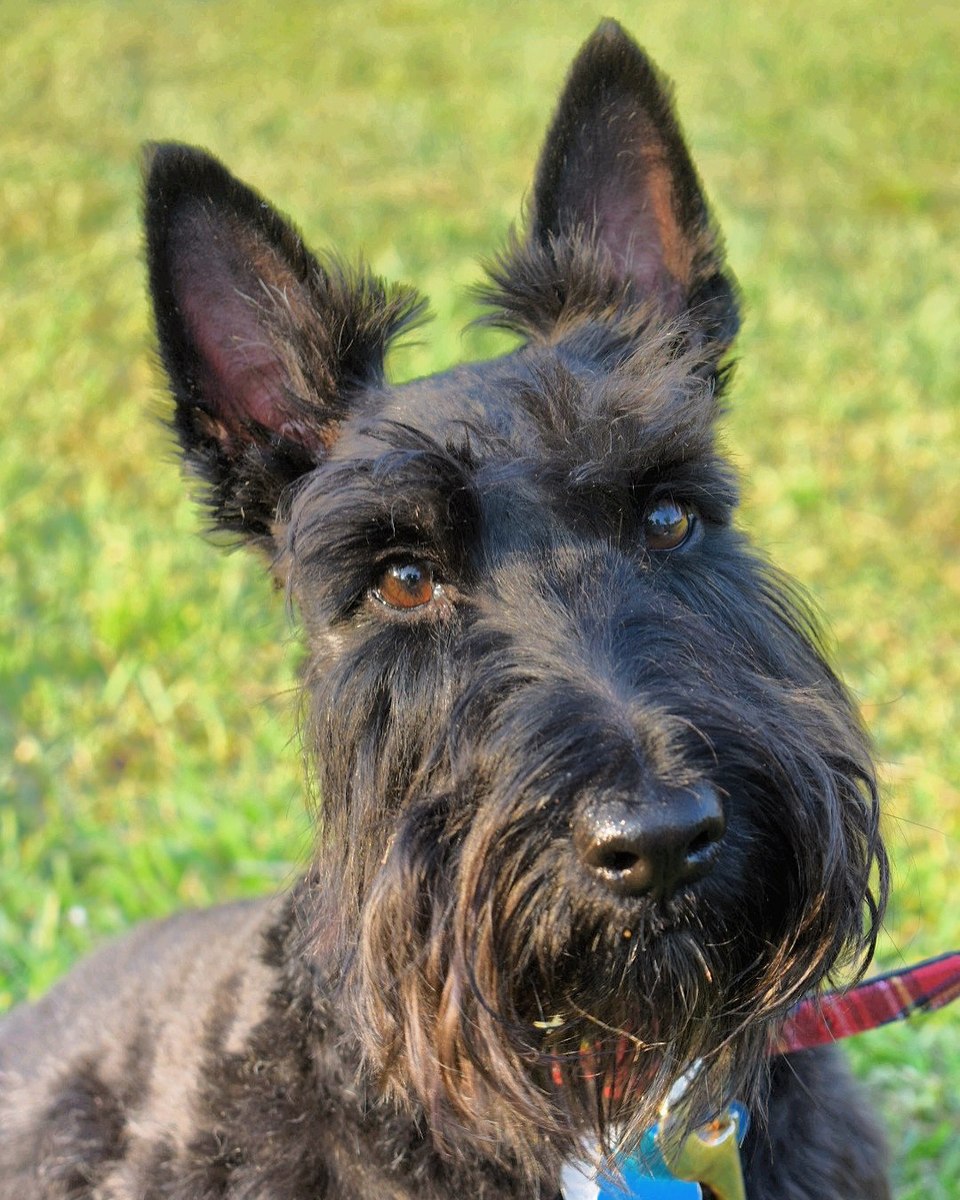
Why Your Scottish Terrier Needs Professional Grooming (Don't Let That Independent Streak Fool You)
Scottish Terriers are famously independent dogs. They do things on their own terms, they don't beg for attention, and they carry themselves with a dignity that's hard not to respect. But when it comes to their coat, that self-sufficient attitude doesn't extend to self-grooming. Your Scottie needs professional help, and they need it regularly.
The Scottish Terrier's distinctive silhouette -- that long, low body with the sharp beard, bushy eyebrows, and neat skirt -- doesn't happen by accident. It's the result of skilled grooming applied to one of the most complex coat types in the terrier group.
The Wire Double Coat
Scottish Terriers have a classic wire double coat: a harsh, dense, wiry outer coat over a soft, thick undercoat. This coat was built for the Scottish Highlands -- it had to protect a small, ground-level dog from rain, wind, cold, and the thorny brush they were sent into to hunt vermin.
What makes the Scottie coat especially challenging is density. Pound for pound, Scottish Terriers have one of the densest coats of any breed. That compact body is covered in a thick carpet of wire and undercoat that's remarkably good at its job -- and remarkably demanding to maintain.
A professional groomer handles the Scottie coat with the breed-specific knowledge it demands:
- Understanding the wire coat growth cycle and how to manage it
- Knowing where to strip, where to clip, and where to scissor
- Maintaining the breed's distinctive shape -- the flat topline, the falling skirt, the defined beard and brows
- Managing the dense undercoat without compromising the outer coat
The Scottie Silhouette Requires Skill
The Scottish Terrier's groomed appearance is one of the most sculpted in the dog world. The classic Scottie look involves:
- A flat, level topline from behind the ears to the tail
- A long, falling skirt on the belly and sides
- A prominent, square-cut beard
- Bushy, forward-falling eyebrows
- Clean legs with just enough furnishing to maintain the column look
- A neat, flag-like tail
This isn't something you can achieve with a pair of home clippers. The angles, transitions, and textures involved need practiced hands and the right tools. Honestly, even experienced groomers sometimes struggle with the Scottie silhouette on their first few attempts.
Skin Issues Hide Under All That Coat
Here's where professional grooming moves from cosmetic to medical: Scottish Terriers are predisposed to several skin conditions, and their dense coat makes early detection nearly impossible without hands-on examination.
A surprising and important fact: Scottish Terriers have a higher rate of certain skin cancers than almost any other breed. The Veterinary Cancer Society reports that Scotties are 18-20 times more likely to develop bladder cancer than the average breed, and skin masses are among the most common reasons for vet visits in the breed. Regular professional grooming, with its full-body hands-on inspection, gives you the best chance of catching lumps, bumps, or skin changes early.
Beyond cancer screening, professional groomers catch:
- Hot spots hidden under the dense coat
- Fungal or bacterial skin infections
- Allergic reactions showing as skin irritation
- Parasites that burrow into the thick undercoat
- Dry, flaky skin that needs treatment
The Hand-Stripping Decision
Like other wire-coated terriers, Scottish Terriers can be either hand-stripped or clipped. The decision has real implications for coat health and appearance:
Hand-stripping removes dead outer coat hairs from the follicle, promoting healthy new growth with proper texture and color. A hand-stripped Scottie coat is crisp, dark (whether black, brindle, or wheaten), and weather-resistant.
Clipping cuts the hair at the surface, leaving the dead root in place. Over time, the coat softens, lightens, and loses its wiry quality. Clipped Scotties develop a softer, fluffier coat that doesn't perform the same protective functions.
Either method requires a professional. Hand-stripping takes 2-3 hours and demands skill. Clipping takes less time but still requires breed-specific knowledge to maintain the silhouette.
Beard and Eyebrow Maintenance
The Scottish Terrier's facial hair is both their most charming feature and their highest-maintenance area. The beard collects food, water, and debris constantly. The eyebrows grow into the eyes if left unchecked.
Professional grooming addresses:
- Beard shaping -- maintaining the square, clean look
- Beard cleaning -- removing trapped food and bacteria
- Eyebrow trimming -- keeping brows expressive without obstructing vision
- Skin inspection under facial hair -- checking for irritation from trapped moisture
What a Professional Scottish Terrier Grooming Session Covers
A thorough Scottie groom includes:
- Hand-stripping or clipping of the body coat
- Undercoat carding -- removing packed, dead undercoat
- Skirt trimming and shaping -- maintaining length and evenness
- Beard washing, shaping, and trimming
- Eyebrow hand-trimming
- Bath with wire-coat shampoo -- no softening formulas
- Blow dry and coat setting -- wire coats dry differently
- Ear cleaning -- the folded ear needs attention
- Nail trimming -- those short legs keep nails close to the ground but they still need trims
- Sanitary trim -- especially important with a long skirt
- Full body skin check -- essential for this breed
How Often Should Your Scottie See a Groomer?
- Hand-stripping: Full strip every 8-12 weeks, with maintenance stripping every 4-6 weeks
- Clipping: Every 6-8 weeks
- Brush the body coat weekly with a slicker brush
- Comb the beard and skirt every 2-3 days
- Wipe the beard after meals
- Check for mats in the armpit and skirt areas
- Clean ears weekly
Your Scottie's Health Depends On It
Scottish Terriers are small dogs with big grooming needs. The wire double coat, the sculpted silhouette, the breed's predisposition to skin issues -- all of it adds up to a dog that genuinely benefits from regular professional care.
Your Scottie may act like they don't need anyone's help. That's the breed's personality, and it's part of their charm. But underneath that independent exterior is a coat that absolutely needs a skilled groomer's hands on it every 6-8 weeks. The health benefits alone make it worth every penny.
---
Ready to streamline your grooming workflow? PawOps Board Manager helps salons track every Scottish Terrier from check-in to pickup with real-time visibility. Start your free 30-day trial →