Understanding Your Shetland Sheepdog's Coat: The Complete Guide
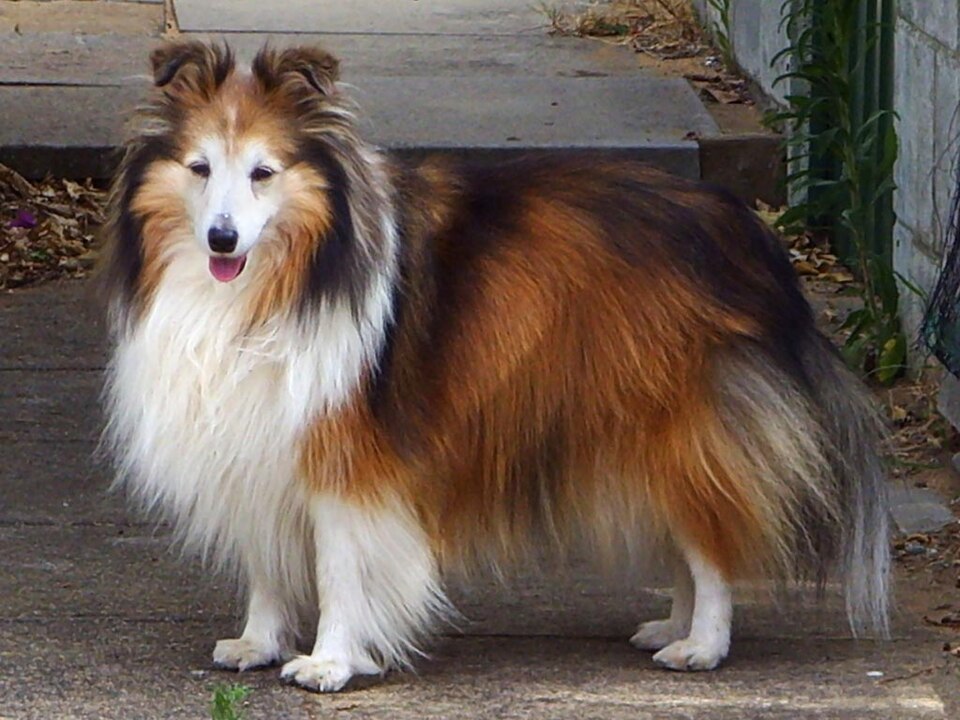
Understanding Your Shetland Sheepdog's Coat: The Complete Guide
The Shetland Sheepdog coat is legendary for good reason. That flowing mane, those feathered legs, that plumed tail -- it's the coat that makes people stop on the sidewalk to compliment your dog. But beauty comes with complexity. Your Sheltie's coat is a sophisticated system, and understanding how it works is the first step to keeping it healthy.
Shetland Sheepdog Coat Structure
The Sheltie coat is a classic double coat with two distinct layers working in tandem:
Outer coat (guard hairs):
- Long, straight, harsh-textured
- Stands off the body slightly (shouldn't lie flat against skin)
- Water-resistant and wind-resistant
- Provides UV protection and physical barrier against debris
- Short, dense, soft, and furry
- Grows close to the skin
- Primary insulation layer
- Adjusts density seasonally
Coat Differences Between Males and Females
Male Shelties typically have:
- Fuller, more dramatic mane and frill
- More overall coat volume
- A "bigger" look due to heavier coat
- Slightly less dramatic mane
- More refined coat proportions
- Significant coat loss after heat cycles, pregnancy, and nursing
Sheltie Coat Colors and Patterns
Shelties come in several recognized color patterns:
Sable (Most Common)
Ranging from golden sable to dark mahogany sable, with varying amounts of black tipping on guard hairs. The classic "Lassie look" in miniature.Tricolor
Black body with white and tan markings. Striking and dramatic, with the same coat structure as sables.Blue Merle
Silver-blue base with black patches and tan markings. The merle gene creates a marbled effect. Blue merle coats can sometimes have slightly different texture than solid colors.Bi-black and Bi-blue
Black or blue with white, no tan markings.All colors have the same coat care needs. No Sheltie color is significantly easier or harder to maintain than another from a grooming standpoint.
The Sheltie Shedding Cycle
Shelties shed. A lot. Understanding the pattern helps you manage it:
Year-round shedding: Moderate daily hair loss, mostly undercoat. Regular brushing keeps it controlled.
Spring blowout (March-May): The heavy winter undercoat releases in massive quantities. This is the main event -- 2-4 weeks of intense shedding where clumps of undercoat come out with every brush stroke.
Fall transition (September-November): Summer undercoat gives way to denser winter growth. Noticeable but less dramatic than spring.
Post-heat shedding (females): Unspayed females often blow coat 2-3 months after each heat cycle, regardless of season.
Stress shedding: Shelties are sensitive dogs who can shed more during stressful events (vet visits, thunderstorms, changes in routine).
During peak shedding, a Sheltie can produce enough loose undercoat daily to fill a sandwich bag. Over a 3-week blowout, that adds up to a genuinely impressive amount of fur.
Matting: Prevention and Understanding
Matting is the Sheltie owner's primary coat challenge. Understanding where and why mats form helps you prevent them:
High-Risk Mat Zones
Why Mats Form
- Dead undercoat tangles with living hair
- Moisture (rain, swimming, damp grass) causes hairs to clump
- Friction from movement, harnesses, and collars
- Static electricity in dry weather
- Lack of brushing allows small tangles to compound
Prevention Protocol
- Brush 3-4 times weekly with a pin brush or slicker brush
- Focus on friction zones -- give them extra attention
- Use a steel comb after brushing to check for hidden tangles
- Remove collar/harness between walks (or rotate position)
- Use a light detangling spray before brushing to reduce breakage
- Dry thoroughly after any wet activity
Nutrition and Sheltie Coat Health
Diet directly impacts coat quality, and Shelties show nutritional deficiencies quickly:
- Omega-3 fatty acids: Fish oil is the single best supplement for Sheltie coat health. It reduces shedding, adds shine, and supports skin barrier function.
- High-quality protein: Named meat sources support keratin production. Budget foods with meat by-products produce inferior coat quality.
- Biotin: Supports follicle strength. Some owners add biotin supplements and report visible improvement.
- Zinc: Essential for skin cell turnover. Zinc deficiency causes dull coat and flaking skin.
- Adequate fat: Shelties need sufficient dietary fat for coat luster. Low-fat diets often produce dry, brittle coats.
Bathing Your Sheltie: Do's and Don'ts
Do:
- Brush thoroughly BEFORE bathing (wet mats are harder to remove)
- Use a quality conditioner to ease post-bath brushing
- Dilute shampoo for better distribution through dense coat
- Rinse thoroughly -- shampoo residue causes itching and dullness
- Dry completely with a high-velocity dryer (this is critical)
- Bathe without brushing first
- Use human shampoo (wrong pH)
- Leave coat damp (moisture + dense coat = skin problems)
- Bathe more than every 4-6 weeks (strips natural oils)
- Skip the conditioner (makes brushing much harder)
The Truth About Shaving Shelties
The question comes up every summer: should you shave your Sheltie?
The answer is definitively no:
- The double coat insulates against heat AND cold
- Guard hairs provide essential UV protection
- Shaved coats often grow back with altered texture (undercoat dominates)
- Some Sheltie coats never fully recover from shaving
- The dog is not actually cooler without the coat's insulating air layer
Your Sheltie's coat is a commitment that mirrors the breed itself -- beautiful, functional, and worth every minute of care you invest in it.
FAQ
How much do Shetland Sheepdogs shed?
Shelties are heavy shedders. They shed moderately year-round and blow their undercoat dramatically twice a year. During peak shedding, daily brushing and professional deshedding are necessary.What's the best brush for a Shetland Sheepdog?
A pin brush or slicker brush for regular maintenance, an undercoat rake for deshedding, and a steel comb for checking thoroughness. You need all three for proper Sheltie coat care.Do male Shelties have more coat than females?
Yes, males typically have fuller manes and more overall coat volume. However, females undergo more dramatic shedding events after heat cycles, so both sexes have significant grooming needs.How do I prevent my Sheltie's coat from matting?
Brush 3-4 times weekly focusing on friction zones (behind ears, armpits, groin, under collar). Use a steel comb to check for hidden tangles. Remove collar between walks. Dry thoroughly after exposure to moisture.At what age does a Sheltie get their full adult coat?
Shelties develop their full adult coat between 18-24 months of age. The puppy coat is softer and less dense. During the transition from puppy to adult coat (around 8-12 months), matting risk increases significantly as the two coat textures interact.---
Ready to streamline your grooming workflow? PawOps Board Manager helps salons track every Shetland Sheepdog from check-in to pickup with real-time visibility. Start your free 30-day trial →