Understanding Your Shiba Inu's Coat: The Fox-Like Fur Explained
Understanding Your Shiba Inu's Coat: The Fox-Like Fur Explained
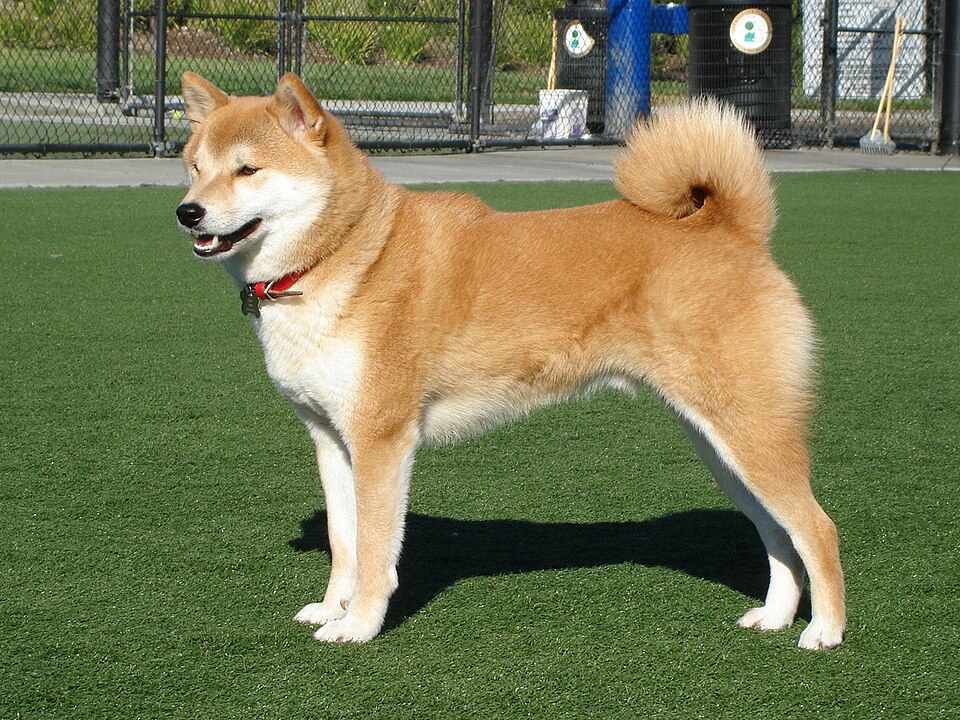
That plush, fox-like coat is one of the first things that draws people to Shiba Inus. It's clean, it's soft, it practically glows. But underneath that tidy exterior lies one of the most densely packed double coats in the dog world, engineered for a life that's very different from your living room.
Understanding your Shiba's coat helps you care for it properly and saves you from being blindsided by the twice-yearly fur tornado.
Shiba Inu Coat Structure
The Shiba Inu has a classic double coat with two distinct layers:
The Guard Coat (Outer Layer)
Stiff, straight hairs that stand slightly off the body, creating the Shiba's characteristic plush, rounded appearance. The guard coat is:- Water-resistant -- Repels light rain and snow
- Dirt-resistant -- Debris tends to fall off the stiff, smooth hairs
- UV-protective -- Shields the skin from sun damage
- Approximately 1-2 inches long on the body, shorter on the face and legs, longer on the tail
The Undercoat
A dense, soft, woolly layer that sits close to the skin. The undercoat is:- Incredibly dense -- Comparable density to much larger breeds like Akitas
- Temperature-regulating -- Insulates in winter, buffers heat in summer
- The shedding source -- 90%+ of Shiba shedding comes from the undercoat
- Color may differ from guard coat -- Often lighter or grayer than the outer coat
Urajiro: The Shiba's Signature Marking
One of the most distinctive features of the Shiba Inu coat is the urajiro -- a Japanese term meaning "underside white" or "reverse white." This is the cream-to-white coloring that appears on specific parts of the Shiba's body:
- Cheeks and sides of the muzzle
- Jaw and throat
- Chest
- Belly
- Inner legs
- Underside of the tail
Here's a detail most people don't know: the quality and clarity of the urajiro markings can change with coat health. A well-nourished, properly groomed Shiba will have crisp, bright urajiro. Poor nutrition or skin issues can cause the urajiro to look dull or yellowish.
Shiba Inu Coat Colors
Shibas come in four colors recognized by the AKC:
Red: The most popular and iconic color. A rich orange-red that can range from light golden-red to deep rusty red. Red Shibas with bright white urajiro are the classic image of the breed.
Sesame: Red coat with an even overlay of black-tipped hairs. True sesame is actually quite rare -- many dogs labeled "sesame" are actually red with some sabling. Genuine sesame has no more than 50% black-tipped hairs and no concentration of black in any one area.
Black and tan: Black body with tan points and white urajiro. This creates a tri-color effect that's dramatic and beautiful. The black should be deep and rich, not washed out.
Cream/white: All-white or cream coat. While beautiful, cream Shibas are considered a serious fault in the show ring because the urajiro markings are invisible, removing one of the breed's defining characteristics.
Surprising fact: cream Shibas often have slightly different coat texture than colored Shibas. The cream coat can be softer and finer, which means it mats more easily and requires more frequent brushing.
The Coat Blow Cycle
The Shiba Inu coat blow is a semi-annual event that transforms your home:
When it happens: Spring (shedding winter undercoat) and fall (shedding summer undercoat and growing winter coat)
Duration: 3-6 weeks per blow
What to expect:
- Large clumps of undercoat releasing from the body
- The coat looks patchy and uneven during the process
- Hair appears everywhere -- on floors, furniture, clothing, food
- The dog may look slightly thinner or less fluffy until the new coat grows in
- Week 1: Shedding begins on the rear end and belly
- Week 2-3: Full body shedding, peak volume
- Week 3-4: Shedding slows, new coat begins growing in
- Week 4-6: Tail end of shedding, new coat fills in
Common Shiba Inu Coat Issues
Allergies
Shibas can develop environmental allergies that show up as:- Itchy, red skin (especially belly and paws)
- Excessive scratching or licking
- Hot spots
- Dull, dry coat
Post-Grooming Alopecia
Some Shibas experience temporary hair loss after aggressive grooming or shaving. This is called post-clipping alopecia and is one reason why Shibas should never be shaved.Brush Burn
Overbrushing with harsh tools (metal slicker brushes used too aggressively) can irritate Shiba skin and damage the guard coat. Use appropriate tools with moderate pressure.Coat Funk
Occasionally, a Shiba's coat will look dull, feel oily, or develop a slightly musty smell. This usually indicates:- Incomplete drying after a bath
- Trapped undercoat against the skin
- Dietary issue (insufficient fatty acids)
- Underlying skin condition
Caring for Your Shiba Inu's Coat
Off-Season Care (Weekly)
- Brush 2-3 times per week with an undercoat rake or slicker brush
- Check behind ears and on the ruff for developing tangles
- Quick comb-through of the tail (the densest area)
Coat Blow Care (Daily)
- Brush daily with an undercoat rake
- Follow with a slicker brush to catch loose surface hair
- Schedule professional deshedding sessions every 2-3 weeks
- Resist the urge to bathe your Shiba more frequently -- the deshedding sessions at the groomer handle the heavy lifting
Bathing Guidelines
- Frequency: Every 6-8 weeks (Shibas stay clean naturally)
- Over-bathing warning: Bathing too frequently strips the natural oils that make the coat self-cleaning and water-resistant
- Shampoo: Mild, coat-preserving formula that maintains natural oils
- Drying: Complete drying is mandatory -- moisture in the undercoat causes problems
The Golden Rules
Nutrition and the Shiba Coat
The Shiba coat responds well to dietary optimization:
- Omega-3 fatty acids -- Reduce inflammation, improve coat luster, support skin health
- High-quality protein -- The coat is protein-based; quality ingredients show in coat quality
- Fish-based diets -- Many Shiba breeders swear by fish-based foods for optimal coat condition, which aligns with the breed's Japanese heritage
- Adequate fat -- Low-fat diets often correlate with dry, brittle coats
Living With the Shiba Coat
The Shiba coat is a package deal. You get a stunningly beautiful, naturally clean dog that looks like a plush fox. You also get twice-yearly fur explosions, daily shedding, and the need for consistent grooming.
Most Shiba owners agree the trade-off is worth it. That moment when your freshly groomed Shiba trots through the house with their coat puffed up and gleaming, tail curled perfectly over their back? There's nothing quite like it in the dog world.
Just buy a good vacuum. And maybe a spare.
---
Ready to streamline your grooming workflow? PawOps Board Manager helps salons track every Shiba Inu from check-in to pickup with real-time visibility. Start your free 30-day trial →