Why Your Shih Tzu Needs Professional Grooming
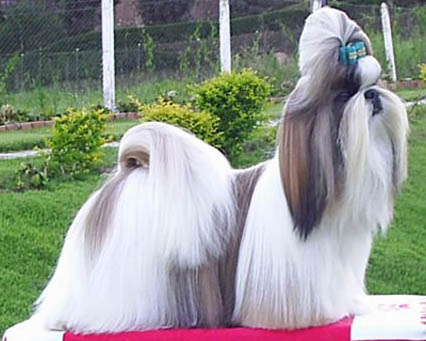
Why Your Shih Tzu Needs Professional Grooming
Shih Tzus were bred to be palace dogs for Chinese royalty, and their coats still expect the royal treatment. That long, flowing double coat is stunning when maintained — and a health hazard when it's not. Regular shih tzu professional grooming isn't a cosmetic luxury. It's how you keep your dog comfortable, healthy, and out of the vet's office for preventable problems.
A Coat Designed for Palaces, Not Backyards
The Shih Tzu has a dense double coat: a soft, insulating undercoat topped by a long, silky outer coat. In a show dog, this coat sweeps the floor. For the average pet Shih Tzu, most owners opt for a shorter "puppy cut" that's far more practical.
Regardless of length, this coat mats aggressively. The soft undercoat tangles with the outer coat, especially in areas where friction occurs — behind the ears, under the legs, around the neck, and at the base of the tail.
Here's the thing: Shih Tzu skin is delicate. Their skin is thinner than many breeds, which means matting doesn't just pull — it can actually tear. Professional groomers know how to handle this coat gently while being thorough.
The Eye Issue Nobody Talks About Enough
Shih Tzus have those gorgeous, prominent eyes. They're also extremely vulnerable. Hair growing into or across the eyes causes irritation, excessive tearing, corneal ulcers, and chronic eye infections.
According to the American College of Veterinary Ophthalmologists, brachycephalic breeds like Shih Tzus are significantly more prone to corneal injuries than other breeds. Hair contact with the cornea is one of the most common preventable causes.
Professional groomers trim the facial hair to keep it out of the eyes, clean tear stains, and flag early signs of eye problems. This alone justifies regular grooming visits.
What a Professional Shih Tzu Groom Includes
A proper Shih Tzu grooming session covers:
- Full brush-out and mat removal: Careful work through the double coat
- Bath with appropriate products: Shih Tzus are prone to skin allergies, so shampoo selection matters
- Thorough drying: Their dense coat retains moisture, and damp undercoat breeds bacteria
- Haircut: Whether it's a puppy cut, teddy bear cut, or longer style
- Facial grooming: Eye area clearing, tear stain treatment, topknot styling
- Ear cleaning: Shih Tzus grow hair in their ear canals that traps debris
- Nail trimming: Small breeds are often neglected on nail care, leading to overgrown nails that affect gait
- Sanitary trim: Essential for hygiene in a long-coated breed
The Four-to-Six Week Rule
Shih Tzus need professional grooming every four to six weeks. Owners who keep their Shih Tzu in a longer coat should lean toward every four weeks. Shorter puppy cuts can stretch to six.
A surprising fact: despite their small size, Shih Tzu grooms often take as long as dogs twice their size. That dense double coat requires patience, and the facial work is detailed. A thorough Shih Tzu groom runs 90 minutes to 2 hours.
What Goes Wrong Without Grooming
Skipping grooming on a Shih Tzu escalates quickly:
Weeks 1-2 overdue: Tangles form behind ears and under legs. Still brushable.
Weeks 3-4 overdue: Tangles tighten into mats. Undercoat compresses. Eye hair becomes problematic.
Weeks 5+ overdue: Mats become pelts. Skin underneath may be red, irritated, or infected. Dog becomes uncomfortable — scratching, rubbing against furniture, reluctance to be touched.
The longer it goes, the more extensive (and expensive) the recovery groom. What would have been a $55 routine groom becomes an $80+ shave-down with potential follow-up vet care.
Between-Visit Home Care
Daily brushing is ideal for Shih Tzus in longer coats. For puppy cuts, every other day works. Use a pin brush for the outer coat and a slicker brush for the undercoat.
Clean the eye area daily with a damp cloth or eye wipe. Check inside the ears weekly for buildup or odor. And keep the sanitary area trimmed — Shih Tzu owners often overlook this between grooms, leading to hygiene issues.
Finding the Right Groomer
Shih Tzus require groomers who are comfortable with small, flat-faced breeds. The brachycephalic airway means they're more sensitive to heat stress during drying. They need careful handling around those prominent eyes. And their temperament — generally cooperative but sometimes stubborn — requires patience.
Ask your groomer:
- How do you handle brachycephalic breeds during drying?
- What's your approach to facial grooming on Shih Tzus?
- Do you have experience with Shih Tzu coat types?
---
Ready to streamline your grooming workflow? PawOps Board Manager helps salons track every Shih Tzu from check-in to pickup with real-time visibility. Start your free 30-day trial →
Related Reading: