Why Your Shikoku Needs Professional Grooming
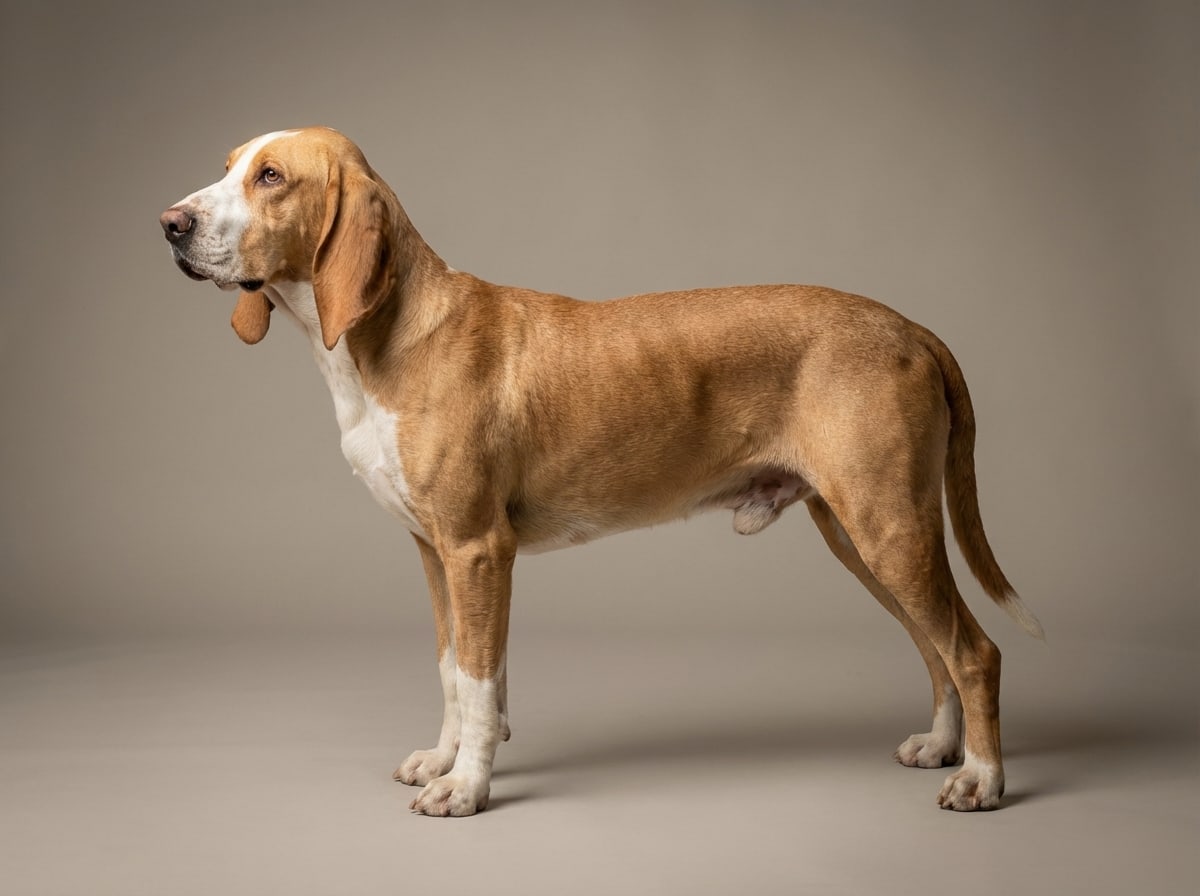
Why Your Shikoku Needs Professional Grooming
The Shikoku is one of Japan's six native spitz-type breeds, originally bred to hunt wild boar in the mountainous terrain of Shikoku Island. Athletic, alert, and intensely loyal, this medium-sized dog (35-55 pounds, 17-21 inches tall) carries a dense double coat that was engineered for life in rugged Japanese mountain forests.
Outside of Japan, the Shikoku remains rare -- the breed is virtually unknown to many groomers. That rarity, combined with the coat's specific needs, makes understanding professional grooming requirements even more important for Shikoku owners.
A Mountain Hunter's Coat
The Shikoku's double coat is built for protection. The outer coat is harsh, straight, and stands slightly off the body, providing a barrier against underbrush, rain, and cold. The undercoat is dense and soft, providing insulation during mountain winters where temperatures drop well below freezing.
The coat is longest on the tail, which is carried in a tight curl over the back and displays a full brush. The cheeks, neck, and backs of the legs carry slightly longer hair. The face and lower legs have short, smooth hair.
This coat is similar to the Shiba Inu's in structure but thicker and coarser -- reflecting the Shikoku's larger size and more demanding hunting environment. Like all Japanese native breeds, the Shikoku was never meant to be clipped or styled. The coat is maintained through brushing and professional undercoat management.
Why Professional Grooming Matters
Shikoku owners often assume the breed is low-maintenance because it looks relatively sleek. The outer coat does create that impression. But beneath it lies an undercoat that requires regular professional attention.
Undercoat Density: The Shikoku's undercoat is significantly denser than it appears from the outside. When you part the outer coat and look at the skin, you will see a packed layer of soft, insulating hair. This undercoat sheds seasonally and becomes packed with dead hair between molts. Professional high-velocity drying is the most efficient way to remove dead undercoat -- studies on grooming efficiency show that high-velocity dryers remove up to 80% of loose undercoat in a fraction of the time home brushing requires.
Coat Blow Management: The Shikoku experiences dramatic coat blows twice yearly, typically in spring and fall. During these events, the undercoat releases in volume. Professional de-shedding sessions during coat blow prevent the loose undercoat from matting into the live coat.
Skin Health: The dense coat can trap moisture, heat, and parasites against the skin without visible external signs. Professional grooming sessions include thorough skin inspection that catches issues early.
Breed-Appropriate Care: Most groomers have never seen a Shikoku. Finding a groomer who understands that this breed should never be clipped, who knows how to handle the dense undercoat without damaging the harsh outer coat, and who respects the breed's natural silhouette is essential.
The Temperament Consideration
Like other Japanese native breeds, the Shikoku can be reserved with strangers. Some individuals are actively resistant to handling by unfamiliar people. This makes grooming socialization critical from puppyhood.
Shikoku who are introduced to grooming procedures early -- including handling of paws, ears, and body -- generally accept professional grooming well as adults. Those who are not socialized may require a groomer experienced with primitive breeds, or may benefit from mobile grooming services that offer a quieter, one-on-one environment.
Communicate your dog's temperament clearly to any new groomer. A Shikoku that is stressed or defensive is not being difficult -- they are exhibiting breed-typical behavior that requires understanding and patient handling.
Professional Grooming Session for a Shikoku
A proper Shikoku grooming session includes:
Thorough Brushing: Starting with an undercoat rake to remove dead undercoat, followed by a slicker brush and pin brush for the outer coat.
Bathing: Using a shampoo appropriate for double-coated breeds. The Shikoku's natural coat oils should be preserved, so mild, pH-balanced products are preferred.
High-Velocity Drying: Essential for this breed. The dryer blasts water and loose undercoat out simultaneously. Cage drying or towel drying alone leaves moisture trapped in the undercoat.
Final Brush-Out and Comb: After drying, a complete brush and comb-through ensures all tangles are resolved and the coat lies properly.
Nail Trimming: Regular maintenance to proper length.
Ear Cleaning: The erect ears are inspected and cleaned.
Paw Pad Trimming: Hair between the pads is trimmed for traction and cleanliness.
How Often Your Shikoku Needs Professional Grooming
The Shikoku has similar grooming frequency needs to other Japanese native breeds:
- Standard maintenance: Every 8-12 weeks
- During coat blow: Every 4-6 weeks to manage heavy shedding
- Between visits: Weekly brushing with an undercoat rake, increasing to daily during coat blow
Preserving a Rare Breed's Coat
The Shikoku is a living piece of Japanese natural heritage. Its coat was refined through centuries of mountain hunting in one of the most demanding environments in Japan. Professional grooming that respects the coat's natural structure -- no clipping, proper undercoat management, skin health monitoring -- preserves both the breed's function and its striking appearance. This rare breed deserves a groomer who understands its unique requirements.
---
Ready to streamline your grooming workflow? PawOps Board Manager helps salons track every Shikoku from check-in to pickup with real-time visibility. Start your free 30-day trial →
Related Reading: