Understanding Your Skye Terrier's Coat: What Every Owner Should Know
Understanding Your Skye Terrier's Coat: What Every Owner Should Know
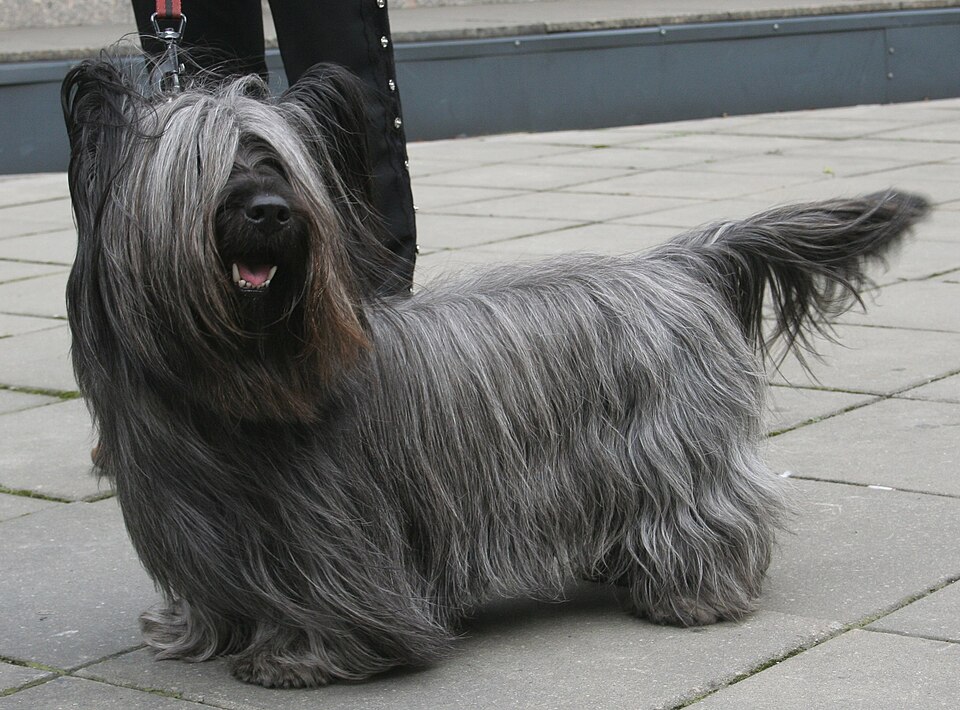
The Skye Terrier's coat is in a category of its own within the terrier group. While most terriers wear short, wire coats designed for underground work, the Skye wears a long, flowing double coat that parts down the spine and falls to the ground like a elegant drape. It is a coat that demands understanding, commitment, and proper care -- but rewards owners with one of the most striking appearances in the entire dog world.
The Unique Structure of the Skye Coat
The Skye Terrier's coat has two layers that work together differently from any other terrier breed.
The Outer Coat
The outer coat is long, straight, flat-lying, and hard in texture. "Hard" in this context does not mean wiry like a Welsh Terrier -- it means the hair has a firm, slightly coarse feel that prevents it from being silky or flyaway. The hair falls from a natural center part along the spine, hanging straight down on either side of the body.
On a full-coated Skye, the outer coat reaches the ground, creating the breed's signature curtain effect. This coat was historically functional -- the long, hard hair provided protection from weather, brush, and the bites of quarry (foxes and badgers) when the dog was working in the Scottish Highlands and islands.
The outer coat does not shed in the heavy, cyclical way that Lab or Husky coats do. Individual hairs have a long growth cycle, reaching their full length over many months before being replaced. This is why the coat can grow so long -- each hair stays in the follicle for a long time.
The Undercoat
Beneath the outer curtain sits a short, soft, woolly undercoat that provides insulation. The undercoat does shed, particularly during seasonal transitions, and it is the primary source of matting. When the undercoat sheds, the loose woolly hairs get trapped under the outer coat and felt together unless brushed out promptly.
The relationship between the two layers is important: the hard outer coat protects and gives the coat its shape, while the soft undercoat provides volume and insulation. When the undercoat mats, it pulls the outer coat down against the skin, destroying the coat's natural flow and creating discomfort.
The Veil and Ear Styles
The Veil
The Skye Terrier's veil is one of its most recognizable features. Long hair grows from the forehead and falls forward over the eyes, framing the face. The veil should not completely obscure vision -- it parts naturally or is gently arranged to allow the dog to see while maintaining the dramatic facial presentation.
The veil hair is the same texture as the body coat -- hard and straight. It requires regular combing to prevent tangles and needs to be kept clean because it contacts food and water daily.
Two Ear Styles
Skye Terriers come in two ear varieties, and the coat behaves differently on each:
- Prick ears: Stand upright and carry dramatic feathering that falls from the outer edges. The feathered prick ears are one of the breed's most distinctive features -- the long feathering can extend several inches beyond the ear tip, creating an almost wing-like effect.
- Drop ears: Hang close to the head, larger and heavier. The ear hair blends into the head and body coat, creating a smoother head profile.
Colors of the Skye
Skye Terriers come in a range of colors:
- Black -- solid black, often with lighter undercoat showing through
- Blue -- a blue-gray ranging from dark steel to lighter silver-blue
- Dark gray and light gray
- Silver platinum -- a striking pale metallic tone
- Fawn -- a warm, light tan
- Cream -- the lightest shade, nearly white
Color Changes Over Time
Skye Terrier colors often change from puppyhood to maturity. Puppies are frequently born darker than their adult shade. A dog born solid black may develop to blue or gray. A dark fawn puppy may lighten to cream. The final adult color may not be established until the dog is two years old or older.
Interestingly, the Skye Terrier Club notes that the breed's colors can also shift slightly with the seasons and with coat maintenance. A freshly bathed and conditioned Skye may appear a shade or two lighter than the same dog before grooming, particularly in the lighter color ranges.
Why the Skye's Coat Is Different From Other Long-Coated Breeds
Owners sometimes compare the Skye Terrier's coat to breeds like the Maltese, Yorkshire Terrier, or Afghan Hound. There are similarities but critical differences:
- vs. Maltese/Yorkie: The Skye's coat is harder and heavier. It hangs by weight rather than flowing with movement. It has a dense undercoat that silky-coated breeds lack.
- vs. Afghan Hound: Closer in texture, but the Skye's coat is denser and the undercoat is more substantial. The Afghan has a finer, silkier texture.
- vs. Lhasa Apso/Shih Tzu: The Skye is closer to these breeds in coat density but longer in body proportion, meaning more coat to manage.
A Coat Fact That Changes How You Think About Maintenance
Here is something that experienced Skye breeders emphasize and new owners often do not expect: the Skye Terrier's coat does not mat uniformly. Matting concentrates in specific high-friction zones:
Knowing these zones means you can focus your daily brushing where it matters most. A five-minute targeted session hitting these four areas prevents 80% of matting problems. A full brush-out every few days handles the rest. This targeted approach is more effective and less time-consuming than trying to brush the entire coat every single day.
Breed-specific grooming surveys indicate that Skye Terrier owners who use a targeted brushing approach report 60% fewer mat-related grooming issues than those who brush randomly or infrequently.
Essential Home Care
- Every day: Quick targeted brush of the four mat-prone zones (5 minutes)
- Every 2-3 days: Full coat brush-out, root to tip (15-20 minutes for full coat, 10 minutes for pet trim)
- After outdoor activity: Check belly and feet for debris. Dry if wet.
- Weekly: Ear check. Teeth check. Paw pad hair check.
Tools for Skye Coat Care
- Pin brush -- preferred over slicker for long coats; less breakage
- Steel comb (wide and fine teeth) -- checking for mats and finishing
- Detangling spray -- essential for reducing breakage during brushing
- Long-coat conditioner -- maintains coat health between baths
- Gentle shampoo -- for spot-cleaning the veil and beard