Understanding Your Smooth Fox Terrier's Coat: What Every Owner Should Know
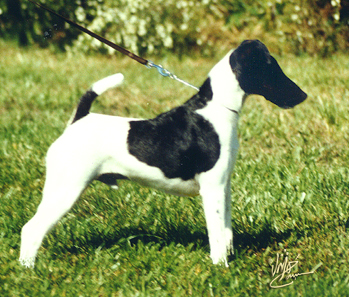
The Smooth Fox Terrier's coat is one of those beautiful contradictions in the dog world -- it looks like the simplest, lowest-maintenance coat possible, yet it produces more shed hair per square inch than many long-coated breeds. Understanding why requires understanding what's actually going on beneath that sleek surface.
Two Layers of Purpose
Despite appearing to be a simple short-haired dog, the Smooth Fox Terrier carries a true double coat:
The outer coat (guard hairs): Flat, hard, dense, and smooth-lying. These hairs are thicker and stiffer than you'd expect from looking at them. They should feel firm when you run your hand against the grain. The AKC standard specifically states the coat should be "flat, hard, smooth, and abundant."
The undercoat: Soft, dense, and shorter than the guard hairs. Present across the body but most concentrated along the back, sides, and rear. This layer is responsible for most of the breed's impressive shedding output.
This double-coat structure exists because Smooth Fox Terriers were working dogs in English countryside -- they needed protection against cold, rain, thorns, and the teeth of quarry. The flat outer coat sheds water while the undercoat insulates.
Why SFTs Shed So Much
The volume of shedding surprises every SFT owner. There's a biological explanation:
High follicle density: SFTs have more hair follicles per square centimeter than many similarly-sized breeds. Each follicle produces hair independently, creating constant turnover.
Short growth cycle: Individual hairs reach their genetically determined length quickly (within weeks) and enter the shedding phase sooner than breeds with longer hair.
Double-coat turnover: Both layers shed on slightly different schedules, meaning there's never a true "low shedding" period.
No seasonal emphasis: While there's a mild increase in spring, SFT shedding is remarkably consistent year-round. There's no dramatic coat blow followed by relief.
Research published in the Journal of Veterinary Dermatology (2022) measured hair loss rates across 50 breeds and found that small, dense double-coated breeds like the SFT lose proportionally more hair per body mass than larger double-coated breeds. The theory: smaller bodies need denser coats for adequate insulation, resulting in more follicles and more turnover.
The Color Pattern
Smooth Fox Terriers are predominantly white with markings:
White: The base color. Should be pure, bright white -- not creamy or gray-tinged.
Markings: Black, tan, or black and tan. Distributed on the head, ears, and occasionally body. A fully marked SFT has a primarily white body with a colored head.
Color affects coat care in specific ways:
- White areas show dirt, staining, and skin issues more obviously
- Black-marked areas have slightly coarser hair texture
- Tan markings are the finest-textured areas on the body
- White coat near tear ducts can develop tear staining
Texture: What "Hard" Actually Means
The breed standard calls for a "hard" coat. This confuses owners who expect "hard" to mean something dramatic. In practice:
- Run your hand WITH the grain: smooth, flat, slightly dense feeling
- Run your hand AGAINST the grain: firm resistance, hairs spring back
- Grab a pinch of coat: should feel thick and dense between fingers
- Compare to a Vizsla or Weimaraner: SFT coat is noticeably denser and firmer
- Nutritional issues (coat softens with protein/fat deficiency)
- Thyroid problems (hypothyroidism causes coat texture changes)
- Incorrect grooming products (softening shampoos/conditioners)
- Genetic variation (some pet lines have softer coats than show lines)
How the Coat Functions
The SFT coat serves multiple purposes beyond looking sharp:
Water management: The flat, hard outer coat channels water away. A properly textured SFT dries remarkably quickly after rain -- the water beads and runs off rather than penetrating to skin.
Dirt release: Hard-textured coats don't hold dirt. SFTs often look clean after romping in conditions that would leave a soft-coated breed filthy. The dirt dries and falls away.
UV protection: The dense coat blocks significant UV radiation. Despite being predominantly white (which reflects rather than absorbs), the coat density provides good sun protection.
Temperature regulation: The undercoat creates an insulating air layer. In cold weather, it traps warmth. In hot weather, it maintains a cooler-than-ambient microclimate against the skin (when combined with air circulation through the outer coat).
Physical protection: The coat deflects thorns, insect bites, and minor abrasions during activity.
Seasonal Changes
While SFTs shed year-round, subtle seasonal variations exist:
Late winter (February-March): Undercoat begins loosening. You'll notice slightly more hair on furniture and clothing.
Spring (March-May): Peak shedding. The winter-grown undercoat releases. Professional deshedding during this period makes a dramatic difference in household hair levels.
Summer (June-August): Coat at its thinnest. Less undercoat, making the dog slightly more vulnerable to sun and insects.
Fall (September-November): New undercoat growth. The coat gradually thickens. A good time for professional grooming to ensure old coat is removed before new growth fills in.
Winter (December-February): Maximum coat density. Both layers at full thickness. The dog looks slightly fuller in body.
Home Maintenance Essentials
Between professional visits, this routine keeps your SFT's coat and skin healthy:
Daily (3-5 minutes):
- Rubber curry mitt over entire body (removes loose hair, stimulates skin)
- Quick visual skin check on white areas (redness, bumps, parasites visible)
- Bristle brush with the grain (polishes coat, distributes oils)
- Undercoat rake along back and sides (removes trapped dead undercoat)
- Check ears for debris
- Thorough undercoat removal session
- Paw pad inspection and cleaning
- Ear cleaning with approved solution
- Skin inspection of belly, inner legs, armpits
Products for SFT Coats
Shampoo: Texturizing or coat-hardening formulas. Avoid softening, moisturizing, or "silky coat" products. These change the texture from hard to soft, making it less functional and more prone to matting.
Conditioner: Use sparingly if at all -- and never on the body coat. A very light rinse on the head and ears only, if anything.
Deshedding products: Deshedding shampoos and sprays specifically designed to loosen undercoat work well on SFTs. These are different from regular shampoo.
Coat spray: A light finishing spray protects coat from environmental dust and adds shine. Choose alcohol-free formulas.
Avoid: Heavy conditioners, leave-in treatments, coat oils, anything labeled for "soft" or "silky" coats.
When Coat Changes Signal Trouble
Watch for these warning signs in your SFT's coat:
Sudden excessive shedding: Beyond normal heavy shedding -- actual clumps coming out. Could indicate stress, hormonal changes, or illness.
Coat thinning without replacement: New hairs should replace shed ones. Visible skin through the coat (beyond normal thin areas on belly) warrants vet attention.
Texture softening: Gradual loss of the hard, flat quality. Usually indicates thyroid issues or nutritional problems.
Color changes: White becoming yellowish (liver issues, staining, product buildup). Black areas turning rusty (sun damage, nutritional issues).
Odor: A healthy SFT coat is nearly odorless. Strong smell indicates skin infection, yeast overgrowth, or impacted undercoat decomposition.
Your Smooth Fox Terrier's coat may look simple, but its density, dual-layer structure, and constant turnover make it a sophisticated system that rewards understanding and proper care. Work with it -- not against it -- and you'll have a dog that gleams.
---
Ready to streamline your grooming workflow? PawOps Board Manager helps salons track every Smooth Fox Terrier from check-in to pickup with real-time visibility. Start your free 30-day trial →