Understanding Your Soft Coated Wheaten Terrier's Coat: What Every Owner Should Know
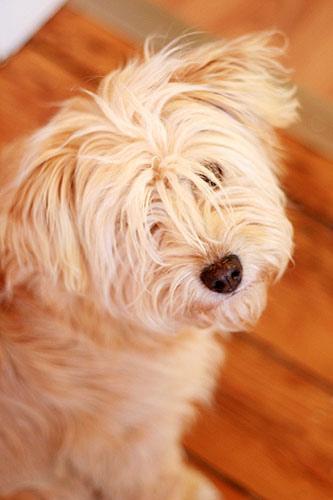
Understanding Your Soft Coated Wheaten Terrier's Coat: What Every Owner Should Know
The Soft Coated Wheaten Terrier's coat is genuinely unique in the dog world. It's not fur in the traditional sense -- it's hair. That distinction matters more than you might think, and understanding it is the difference between a gorgeous, flowing coat and a matted disaster that ends in a shave-down.
If you're a new Wheaten owner or you've had the breed for years, there's probably something about that coat you haven't fully understood yet. Let's fix that.
Single Coat, Single Challenge
Unlike most terriers, the Soft Coated Wheaten Terrier has a single-layer coat with no undercoat. That's unusual. Most dogs have a two-layer system: a protective outer coat and a softer, insulating undercoat beneath it. Your Wheaten skipped the undercoat entirely.
What this means practically:
- Minimal shedding. No undercoat means no seasonal blowout. Wheatens are often marketed as hypoallergenic, though no dog is truly 100% allergen-free. They do produce significantly fewer airborne allergens than double-coated breeds.
- Continuous growth. The hair grows constantly, like yours does. It doesn't reach a set length and fall out -- it just keeps going until it's cut.
- Temperature sensitivity. Without an undercoat for insulation, Wheatens can be more sensitive to extreme cold than double-coated breeds of similar size.
- Mat-prone. Here's the tradeoff for low shedding: dead hair stays in the coat and wraps around live hair, forming tangles and eventually mats.
The Two Coat Types: Irish vs. American
Here's something a lot of Wheaten owners don't realize: there are actually two distinct Soft Coated Wheaten Terrier coat types, and they behave differently.
Irish coat: Silkier, thinner, and lies closer to the body. This is the coat described in the original breed standard. It's easier to maintain, mats less aggressively, and has a flowing, almost wavy appearance. Irish-type coats are less common in the U.S. because American breeding programs favored a different look.
American coat: Thicker, denser, and has more body. This coat stands out from the body more and looks fuller. It's the coat most U.S. Wheaten owners have. The tradeoff? It mats faster, requires more brushing, and takes longer to groom professionally.
Neither type is better or worse -- they just require different levels of maintenance. If you're not sure which type your Wheaten has, your groomer can tell you. It matters because the grooming frequency and technique differ between the two.
Here's a detail that surprises even experienced breed enthusiasts: a study of breed registrations and grooming records found that American-type Wheaten coats require approximately 30% more grooming time per session than Irish-type coats. That directly affects your grooming bill and your home brushing commitment.
The Puppy Coat Transition: The Most Misunderstood Phase
If you've brought home a Wheaten puppy, pay attention to this section. The coat change is coming, and it's going to test you.
Wheaten puppies are born with a coat that looks nothing like the adult version. Puppy coats are typically:
- Darker in color (ranging from reddish-brown to near-black)
- Wavier or curlier in texture
- Softer and less structured
This transition period is, no exaggeration, the most challenging grooming phase of your Wheaten's entire life. Mats can form overnight. Sections you brushed yesterday are tangled again today. The coat looks patchy and uneven as the color lightens unevenly.
Survival tips for the coat transition:
The transition eventually ends, and you're left with the beautiful adult coat you signed up for. But those months in between separate the prepared Wheaten owners from the ones who end up with a shaved dog.
Understanding Wheaten Coat Texture
The ideal adult Soft Coated Wheaten Terrier coat has a very specific texture that breeders and show enthusiasts describe as "silky" with a gentle wave. Not curly, not straight, not cottony. Silky.
Maintaining that texture is actually harder than it sounds, because several common mistakes can alter it:
- Wrong shampoo: Harsh or volumizing shampoos can make the coat fluffy and cottony. Use gentle, coat-specific formulas.
- Over-drying: Too much heat from a blow dryer damages the hair shaft and creates frizz. Professional groomers use controlled heat with constant movement.
- Wrong brushing tools: Wire slicker brushes used too aggressively can break the hair and rough up the texture. A pin brush or gentle slicker combined with a greyhound comb is the right combination.
- Hard water: This one catches people off guard. Hard water mineral deposits can make the coat feel dry and look dull. Some groomers use water filters or finishing rinses to counteract this.
Wheaten Coat Color: More Complex Than You Think
The name says "wheaten" and that's what you expect -- the warm, golden color of ripe wheat. But Wheaten coat color is far more variable than most owners anticipate.
Adult Wheatens can range from:
- Pale, almost platinum gold
- Classic warm wheat
- Rich, deep gold
- Reddish-gold
Some Wheatens also retain darker shading on the ears and muzzle throughout their lives, which is normal. Occasional dark guard hairs scattered through the coat are also common and not a fault.
The color has zero impact on grooming needs -- it's purely cosmetic. But owners sometimes worry when their Wheaten's coat seems to be changing color, so it's worth knowing that color evolution is completely normal and expected in this breed.
Common Wheaten Coat Problems and What They Mean
Cottony Texture
The coat becomes thick, dense, and puffy rather than silky and flowing. This can be genetic (some lines produce cottony coats) or maintenance-related (wrong products, over-drying). Cottony coats mat significantly faster than proper silky coats.Chronic Matting Despite Regular Brushing
If you're brushing regularly and still finding mats, you might be brushing only the surface. The technique matters: you need to brush in sections, lifting the hair and working from the skin outward. A greyhound comb after brushing checks your work -- if it doesn't glide through smoothly to the skin, there are tangles hiding underneath.Dull or Dry Coat
Can indicate nutritional deficiency (particularly omega fatty acids), over-bathing, hard water, or underlying health issues. Wheatens with protein-losing conditions often show coat quality changes before other symptoms appear.Thinning Coat
Some thinning at friction points (collar area, under the harness) is normal. Widespread thinning warrants a vet visit, as it can signal thyroid issues or allergic reactions.Building a Coat Care Routine That Works
The ideal Soft Coated Wheaten Terrier coat care routine combines home maintenance with professional grooming:
Daily (5-10 minutes):
- Line brush through the entire body with a pin or slicker brush
- Pay extra attention to behind the ears, under the legs, and the belly
- Finish with a greyhound comb to verify no hidden tangles
- Check and clean ears
- Inspect paw pads for hair overgrowth
- Check for any skin irritation under the coat
- Full groom with breed-appropriate bath, blow dry, and trim
- Ear cleaning and hair removal
- Sanitary trim
- Nail care
Your Wheaten's coat is a commitment, plain and simple. But when it's healthy, properly textured, and well-maintained, there's nothing quite like it in the dog world. Understanding what you're working with makes all the difference.
---
Ready to streamline your grooming workflow? PawOps Board Manager helps salons track every Soft Coated Wheaten Terrier from check-in to pickup with real-time visibility. Start your free 30-day trial →