Understanding Your Spinone Italiano's Coat: What Every Owner Should Know
Understanding Your Spinone Italiano's Coat: What Every Owner Should Know
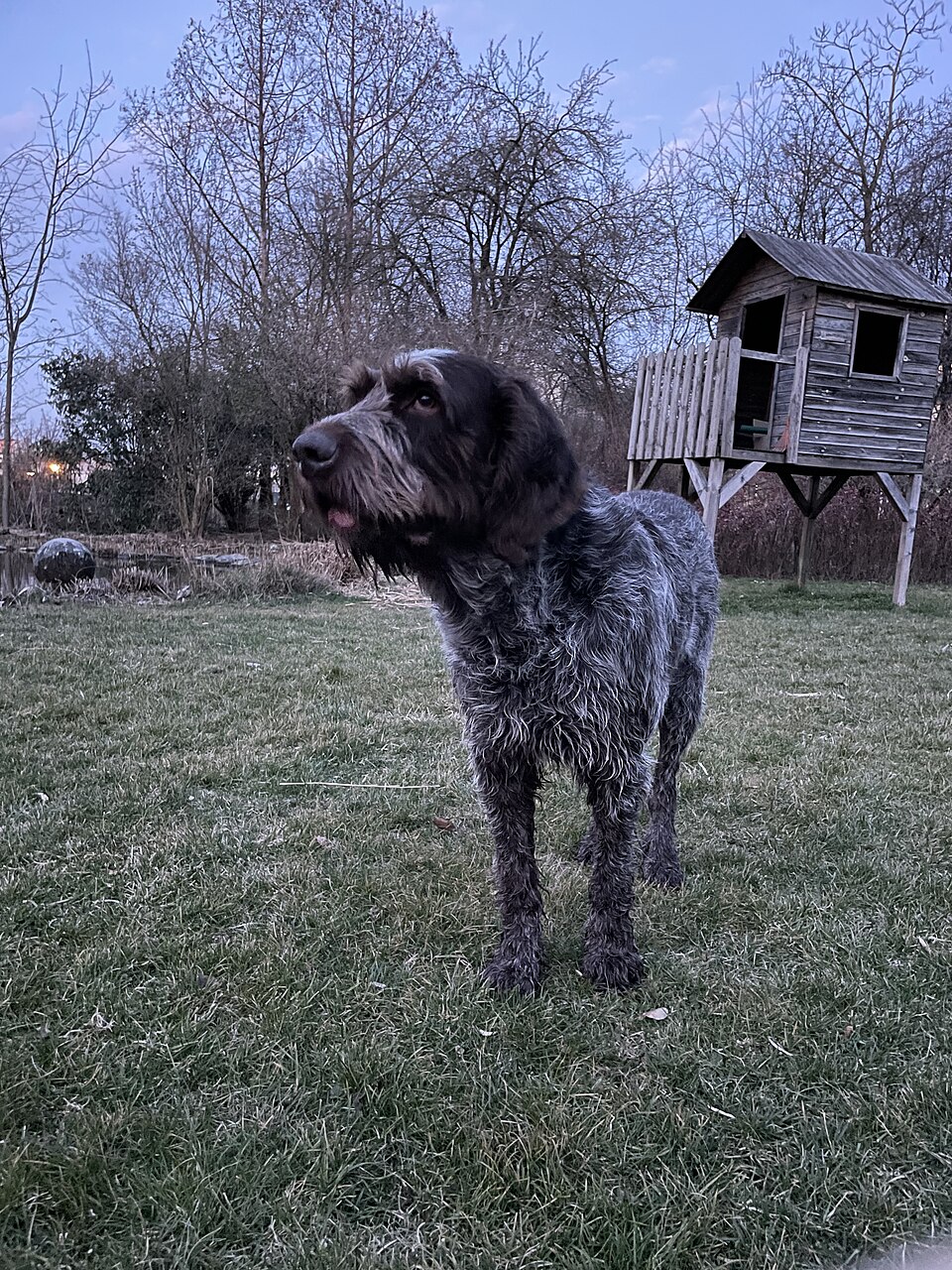
The Spinone Italiano has a coat that perfectly matches its personality: practical, no-nonsense, and distinctly Italian. While the breed's gentle, slightly rumpled appearance suggests a dog that has given up on grooming entirely, the truth is more sophisticated. This coat is a carefully evolved system that protects a working gundog -- and understanding it means understanding your Spinone better.
Coat Structure: Simple But Specific
The Spinone's coat is notably different from most wire-coated breeds in one critical way: it is essentially a single-layer coat.
The Wire Layer
Texture: Stiff, dense, and flat-lying. The AKC standard describes it as "tough, thick, and slightly wiry" -- notably using "slightly" wiry rather than the "harsh" or "coarse" descriptors used for terriers. The Spinone's wire is more refined than a terrier's.
Length: 1.5-2.5 inches on the body. Slightly shorter on the head, ears, and front legs. Longer on the eyebrows, cheeks (forming the beard and mustache), and back edges of the legs.
Lie: Flat against the body. Should not stand off or appear fluffy. When properly maintained, the coat creates a smooth outline over the dog's muscular frame.
Feel: When you run your hand over a properly textured Spinone coat, it should feel firm and slightly rough -- like running your hand over a quality wool tweed jacket. Not scratchy like steel wool (that is terrier texture), not soft like cotton (that is a coat that has been clipped).
Minimal Undercoat
Unlike German Wirehaired Pointers or Wirehaired Pointing Griffons that have substantial undercoats, the Spinone has minimal to no undercoat. Some lines develop a light winter undercoat, but it is never dense or woolly.
Implications:
- Less insulation in extreme cold (the coat alone provides moderate weather protection)
- Less dramatic seasonal shedding (no heavy "blowing")
- Faster drying after water work
- Different grooming approach than double-coated wire breeds (no undercoat raking needed)
Facial Furnishings: The Character Factory
The Spinone's face is where grooming meets artistry:
Eyebrows: Thick, wiry hairs that form a prominent brow ridge. They serve dual purposes: protecting the eyes during brush work and giving the breed its thoughtful, almost philosophical expression.
Mustache and Beard: Dense whiskers and beard hair that drape from the upper lip and chin. The beard can grow surprisingly long if left unmanaged. It is softer than the body coat but still carries a wiry quality.
Expression: The combination of eyebrows and beard creates what breed enthusiasts call the "old man face" -- wise, gentle, slightly amused. Proper furnishing maintenance preserves this expression. Over-trimming destroys it entirely.
Color and Markings
Spinone Italiano come in several color patterns:
- White: Solid white (may yellow slightly with age or sun)
- White and Orange: White with orange markings or orange roan
- White and Brown (Chestnut): White with brown markings or brown roan
Important: Black is NOT an accepted color in the Spinone standard. Dogs with black coloring are likely crossbred.
How the Wire Texture Works
Each wire hair in the Spinone's coat has specific structural properties:
Hair lifecycle:
Why this matters for grooming: Dead hairs in phase 3 need removal. If left indefinitely, they:
- Create a dull, lifeless appearance
- Block new growth from emerging
- Gradually soften the coat's overall texture (dead wire loses its stiffness)
- Can cause skin irritation as they partially detach and poke the skin
Shedding: What to Actually Expect
The Spinone is often marketed as "low-shedding." Here is the accurate picture:
Daily shedding: Minimal. You will find occasional loose wiry hairs on furniture and clothing, but nothing like a Labrador's carpet of shed.
Seasonal variation: Slight increase in spring as any light winter undercoat sheds. Not dramatic.
Beard shedding: The facial furnishings do shed individual hairs regularly. You will find the occasional long beard hair on floors and furniture.
Shedding rating: 3 out of 10. Among the lowest-shedding sporting breeds.
The catch: Low shedding does NOT mean no grooming. The dead coat stays in place (trapped by surrounding live hairs) unless removed by brushing or stripping. A Spinone that is never groomed will not cover your house in hair -- but their coat will deteriorate in quality.
The Self-Cleaning Myth (And Reality)
Spinone owners often claim their dogs are "self-cleaning." This is partially true:
True: Mud and dirt dry and often fall off the wire coat naturally. The flat-lying, slightly oily texture does not grip debris the way soft coats do. A Spinone that rolls in a mud puddle will often be mostly clean by the time they air-dry.
Not quite true: The beard catches everything and does not self-clean. Wet grass and pollen embed in the facial furnishings. Burrs lodge in the slightly longer body coat areas. Regular maintenance is still needed -- just less than soft-coated breeds.
Home Care Between Professional Sessions
Daily (3-5 minutes):
- Wipe beard after meals and water
- Quick visual check for debris
- Hand-run through coat (feeling for tangles or foreign objects)
- Full brush with natural bristle brush (following the direction of hair growth)
- Comb through eyebrows and beard with wide-tooth comb
- Check ears for odor or redness
- Nail assessment and trim if needed
- Paw pad check (trim between-pad hair if excessive)
- Overall coat condition assessment: does it still feel wiry? Any areas going soft?
Common Coat Issues in Spinoni
Beard Discoloration
The white or light-colored beard often develops pink/brown staining from moisture, food, or mineral deposits in water. Stainless steel bowls reduce mineral staining. Regular wiping after water reduces moisture staining. Some owners use a light beard whitening product monthly.Coat Softening
Usually caused by clipping. Can also result from: excessive bathing with conditioning products, certain medications (especially steroids), or thyroid issues. If softening occurs without clipping, a veterinary check is warranted.Hot Spots
Less common in Spinoni than double-coated breeds, but can occur in skin folds or where the loose skin creates pockets of trapped moisture. Most often seen behind ears or in armpit areas during humid weather.Sebaceous Cysts
Spinoni are prone to sebaceous cysts -- small, benign lumps under the skin. Professional groomers often discover these during hand-stripping. Most are harmless but should be monitored for changes.Nutrition and Coat Quality
The Spinone's wire texture responds to nutrition:
- Protein quality: Wire hairs require high-quality keratin production. Animal-based proteins support this better than plant-based
- Omega-3 and 6 balance: Supports skin health beneath the dense coat
- Biotin: Particularly important for maintaining wire texture
- Zinc: Supports coat color intensity and hair follicle health
Appreciate the Design
The Spinone Italiano's coat is Italian engineering at its most elegant: maximum function with minimum complexity. A single wire layer that protects, self-cleans, barely sheds, and looks distinctly beautiful when properly maintained. It is the coat equivalent of Italian design philosophy -- understated excellence.
Your Spinone's coat works hard for them. Understanding how it functions helps you work smart for it in return.
---
Ready to streamline your grooming workflow? PawOps Board Manager helps salons track every Spinone Italiano from check-in to pickup with real-time visibility. Start your free 30-day trial →
Related Reading: