Understanding Your Standard Schnauzer's Coat: What Every Owner Should Know
Understanding Your Standard Schnauzer's Coat: What Every Owner Should Know
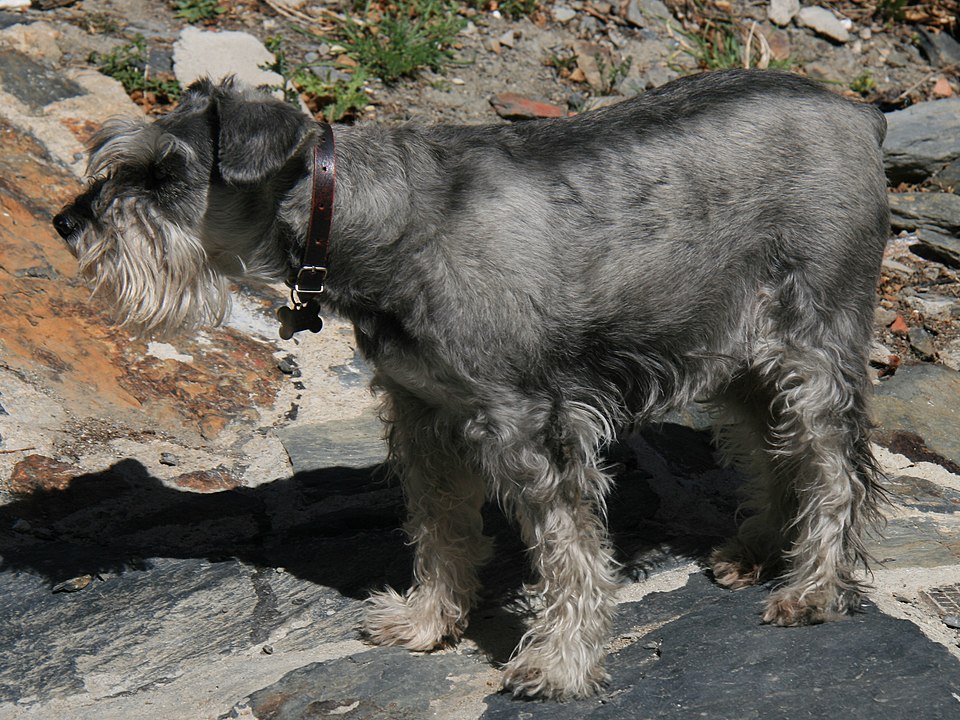
The Standard Schnauzer coat is one of the most distinctive in the dog world -- and one of the most misunderstood. That wiry, pepper-and-salt or solid black exterior is not just a look. It is a functional double coat that was engineered for a purpose, and understanding how it works is the first step to caring for it properly.
How the Standard Schnauzer Coat Is Built
Standard Schnauzers carry a true double coat with two distinct layers that serve different functions.
The Outer Coat (Guard Hairs)
The outer coat consists of dense, wiry guard hairs that lie relatively close to the body. These hairs are coarse to the touch -- not soft or silky. That texture is intentional. The wire outer coat was developed over centuries of selective breeding for German farm and guard dogs who needed protection from weather, brush, and rough terrain.
Wire hairs have a different growth cycle than the soft coats found on breeds like Goldens or Spaniels. They grow to a certain length, die, and then stay in the follicle rather than shedding out. This means a Standard Schnauzer does not shed in the traditional sense. Dead hairs just sit in the coat until they are manually removed through stripping or clipping.
The Undercoat
Beneath the wire outer coat sits a soft, dense undercoat that provides insulation. This undercoat does shed to some degree, especially during seasonal transitions. It is the undercoat, not the outer coat, that you find on your furniture and clothes -- though the amount is far less than heavy-shedding breeds.
The undercoat serves as temperature regulation. It keeps the dog warm in cold weather and, when properly maintained, actually helps regulate heat in warm weather by creating an insulating air layer between the skin and the environment.
The Two Coat Colors
Standard Schnauzers come in two recognized colors:
Pepper and Salt
This is the most common color and probably what comes to mind when you picture a Schnauzer. Each individual wire hair is banded with alternating dark and light sections, creating an overall gray appearance that can range from light silver to dark charcoal. The banding pattern is called "agouti" and it produces that characteristic salt-and-pepper look.
Here is an important detail: the banding pattern only develops properly in wire-textured coat. When a pepper-and-salt Schnauzer is repeatedly clipped instead of stripped, the coat gradually loses its banding. The color can wash out to a flat silver or muddy gray because clipping cuts the hair at a single point rather than removing the full banded shaft.
Solid Black
Black Standard Schnauzers have a uniform black outer coat with a dark undercoat. The color is generally more stable through clipping than pepper-and-salt, though the texture change from wire to soft still occurs.
What Hand-Stripping Does to the Coat
Hand-stripping is the process of removing dead wire hairs by pulling them from the root. When done correctly, it:
- Removes only dead, ready-to-release hairs (not painful for the dog)
- Stimulates new wire hair growth from the follicle
- Maintains the correct coarse texture generation after generation
- Preserves the banding pattern in pepper-and-salt dogs
- Keeps the coat's natural weather-resistant properties
What Clipping Does to the Coat
Clipping cuts the hair at shaft level rather than removing it from the root. Over multiple clipping sessions:
- The wire outer coat gradually becomes softer and less coarse
- The undercoat may become more prominent relative to the outer coat
- Pepper-and-salt coloring can fade or become uneven
- The coat loses some of its natural dirt and water resistance
- The texture change is gradual -- you will not notice it after one clipping, but after a year of regular clipping the difference is noticeable
The Schnauzer Furnishings: Beard, Brows, and Legs
The areas where Standard Schnauzers grow longer hair -- the beard, eyebrows, and leg furnishings -- have a different texture and growth pattern than the body coat.
The Beard
Schnauzer beards grow continuously and need regular trimming and shaping. The hair is softer than the body coat and absorbs water, food, and everything else your dog sticks their face into. A Schnauzer beard that is not washed and combed regularly develops odor, staining, and can harbor bacteria.
Fun fact: the Schnauzer beard actually served a functional purpose in the breed's working history. It protected the dog's muzzle from bites -- both from rats (which Schnauzers were bred to hunt) and from livestock the dog was guarding.
The Eyebrows
Those expressive Schnauzer eyebrows are shaped, not natural. Left untrimmed, the eyebrow hair grows over the eyes and obscures vision. Professional shaping creates the distinctive arched look while keeping the dog's sight line clear.
Leg Furnishings
The longer hair on the legs is softer than the body coat and prone to tangling, particularly in the armpit area and on the back of the legs. Regular combing between grooming appointments is essential. Neglected furnishings mat quickly and painfully.
Seasonal Changes in the Schnauzer Coat
Standard Schnauzers experience some seasonal coat changes, though they are subtler than in heavy-shedding breeds:
- Spring: The undercoat loosens as the weather warms. This is the best time for a thorough stripping or deshedding session. You may notice slightly more loose hair than usual.
- Summer: The coat sits lighter on the body. The wire outer coat actually helps protect against sun and heat when properly maintained.
- Fall: The undercoat begins to thicken in preparation for winter. Another good time for professional undercoat removal.
- Winter: The coat is at its densest. The double-layer system is working hardest, providing insulation.
A Coat Fact Most Owners Miss
Here is something that surprises a lot of Standard Schnauzer owners: the wire coat is essentially self-cleaning. The coarse texture does not hold dirt the way softer coats do. Mud that would require a full bath on a Golden Retriever will dry and brush out of a properly textured Schnauzer coat. This is one of the practical advantages of maintaining the wire texture -- whether through stripping or careful grooming. Owners who let the coat go soft through neglect or excessive clipping often find their dog suddenly needs baths far more frequently than before.
Home Care Between Professional Grooming
Your daily and weekly routine should include:
- Daily: Wipe the beard after meals and water. Check for food debris caught in facial hair.
- Every 2-3 days: Comb through the leg furnishings and under the chest with a steel comb. Catch tangles before they become mats.
- Weekly: Full body brush with a slicker brush. Check ears for debris or excess hair.
- Monthly: Check nail length. Even active dogs may need a trim.
Essential Tools for Standard Schnauzer Coat Care
- Slicker brush -- for body coat maintenance
- Steel comb (medium/fine) -- for furnishings and checking for hidden mats
- Stripping knife -- if you learn basic maintenance stripping between pro visits
- Undercoat rake -- for seasonal undercoat removal
- Beard comb -- a small comb for daily facial hair maintenance
When the Coat Signals a Problem
Your Standard Schnauzer's coat can tell you about their overall health:
- Sudden softening without clipping may indicate a thyroid issue
- Patchy hair loss warrants a vet visit for allergy or hormonal testing
- Excessive dandruff can signal dry skin, poor nutrition, or parasites
- Color changes outside of normal aging may indicate stress or nutritional deficiency
PawOps helps grooming salons assess wire-coated breeds using coat condition scoring and texture evaluation -- ensuring your Standard Schnauzer gets grooming tailored to their specific coat condition, not a generic approach.