Understanding Your Sussex Spaniel's Coat: What Every Owner Should Know
Understanding Your Sussex Spaniel's Coat: What Every Owner Should Know
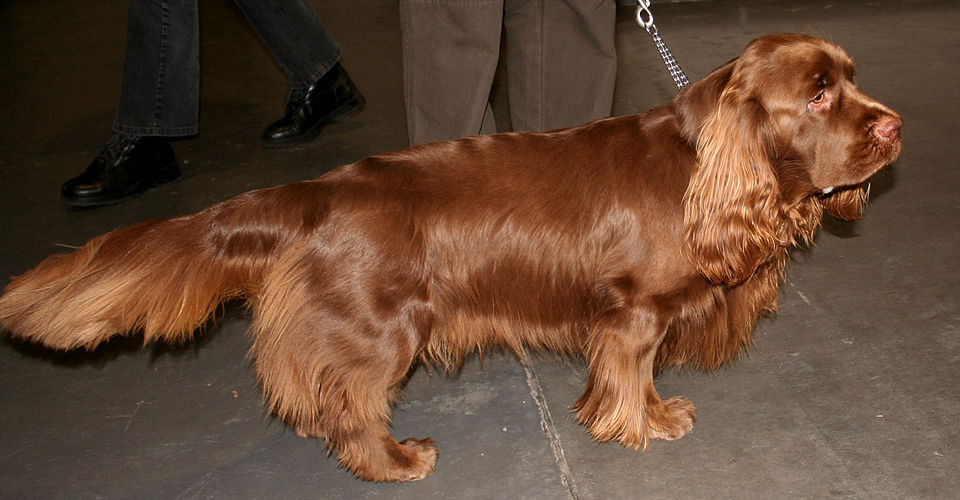
No other dog breed in the world has the Sussex Spaniel's coat color. That rich golden-liver -- somewhere between burnished gold and deep chestnut -- is exclusive to this breed. It is one of many reasons the Sussex Spaniel is treasured by the few who own them, and understanding the coat that carries this unique color helps you care for it properly.
The Color: Golden-Liver Explained
The Sussex Spaniel's coat color is described in the breed standard as "rich golden liver." This is not the standard liver seen in other spaniels. It has a distinctive golden sheen that catches light, giving the dog an almost luminous quality in sunshine.
This color comes from specific pigmentation genetics unique to the breed. And honestly? that improper grooming -- particularly repeated machine clipping -- can dull this color significantly. The outer guard hairs carry the richest pigment, and when these are cut rather than hand-stripped, the softer undercoat that grows through creates a washed-out appearance.
Puppies are often born darker and lighten to their adult color by 18-24 months. Senior Sussex Spaniels may develop slight graying around the muzzle but the body coat typically maintains its golden-liver richness throughout life.
Coat Structure: What You Are Working With
The Sussex Spaniel has a flat to slightly wavy single coat with moderate undercoat development and abundant natural feathering.
Body Coat: Flat-lying, dense, and weather-resistant. The individual hairs are thick with a slightly harsh texture when properly maintained. This texture is what repels water and debris. When hand-stripped regularly, the body coat maintains a neat, close-lying appearance. When clipped, it softens and stands away from the body -- a visible difference even to untrained eyes.
Undercoat: Present but not as dense as some double-coated breeds. The undercoat provides insulation but does not cause the dramatic seasonal "blowing" seen in breeds like Golden Retrievers. Sussex Spaniels shed moderately year-round rather than in intense seasonal bursts.
Feathering: This is where the Sussex coat becomes demanding:
- Ears: Heavy, wavy feathering that extends past the ear leather
- Chest and neck: A moderate ruff that adds to the breed's substantial appearance
- Forelegs: Feathering on the backs of the legs
- Hindquarters: Abundant feathering on the thighs (often called "trousers")
- Belly: Long feathering along the entire underline
- Tail: Feathered (whether docked or natural)
Growth Cycle: Patience Required
One of the most important things Sussex Spaniel owners need to understand is the coat's growth rate. This breed has a notably slow coat growth cycle compared to other spaniels.
Where a Cocker Spaniel might regrow body coat in 6-8 weeks after stripping, a Sussex Spaniel can take 10-14 weeks for full regrowth. This means:
- Grooming mistakes take months to correct
- Over-stripping leaves visible thin patches for an extended period
- Feathering that is cut too short will not fill back in for 3-4 months
- The breed requires a conservative, maintenance-focused approach rather than dramatic restyling
Shedding Patterns
Sussex Spaniels are moderate, consistent shedders. You will find golden-liver hairs on your furniture, clothing, and car seats year-round. The shedding does not spike dramatically with seasons but may increase slightly:
- In spring as any winter undercoat thins
- During hormonal changes (intact females around heat cycles)
- During stress or dietary changes
- When bathed with products that loosen dead coat
Coat Texture and Why It Matters
The Sussex Spaniel's body coat should feel distinctly different from its feathering:
Body coat texture: Flat, dense, slightly harsh to the touch. Has a "crisp" quality when properly hand-stripped. This texture is functional -- it sheds water, repels mud, and resists tangling.
Feathering texture: Softer, silkier, wavy. The feathering is the breed's decoration and requires different care than the body coat.
When a Sussex Spaniel is machine-clipped instead of hand-stripped, the body coat gradually transitions toward the softer feathering texture. After 2-3 clip cycles, the entire coat feels soft and fluffy rather than flat and harsh. This is not just an aesthetic issue -- the soft coat tangles more easily, holds more moisture, and loses its weather-resistant properties.
Common Coat Issues Specific to Sussex Spaniels
Ear Problems
The AKC breed standard describes the ears as "large and thick, set fairly low." This low set, combined with heavy feathering, creates a sealed environment around the ear canal. Studies in veterinary dermatology consistently show breeds with heavy ear feathering and pendant ear carriage experience significantly higher rates of otitis externa.
For Sussex Spaniels, ear maintenance is not grooming -- it is preventive medicine.
Belly Matting
At 13-15 inches tall with heavy belly feathering, the Sussex Spaniel's underside is in constant contact with grass, brush, and ground moisture. Belly mats form faster in this breed than almost any other spaniel due to the mechanical contact combined with feathering length.
Daily belly checks during wet weather and regular trimming of belly feathering to a manageable length (not removed entirely) is essential.
Coat Color Changes
Owners sometimes notice their Sussex Spaniel's coat losing its golden richness. Common causes:
- Excessive sun exposure: Can bleach the topcoat reddish rather than golden
- Machine clipping: Dulls color by exposing softer, less-pigmented underlayers
- Poor nutrition: Lack of zinc and omega fatty acids affects pigment expression
- Harsh shampoos: Strip natural oils that give the coat its sheen and apparent depth of color
Home Care Between Professional Visits
Daily (5 minutes):
- Quick visual check of ears, belly, and leg feathering
- Remove any visible debris
- Full brush-through with slicker brush
- Metal comb through all feathered areas
- Ear check (smell, redness, discharge)
- Paw pad check and debris removal
- Paw hair trim if growing between pads
- Thorough coat condition assessment
- Note any texture changes, thinning, or color shifts for your groomer
The Coat-Health Connection
Your Sussex Spaniel's coat is a direct readout of their internal health:
- Shiny, flat, richly colored: Healthy, well-nourished dog
- Dull, dry, brittle: Nutritional issue or systemic health problem
- Excessive shedding: Stress, thyroid issues, allergies, or dietary gaps
- Bald patches: Allergies, parasites, or autoimmune conditions
- Color fading: Sun damage, grooming damage, or zinc deficiency
Embrace the Maintenance
The Sussex Spaniel's coat is high-maintenance by any standard. There is no shortcut that preserves its unique qualities. But for owners who commit to proper care -- regular hand-stripping, consistent home brushing, appropriate products, and attention to the feathering -- the reward is one of the most beautiful, distinctive coats in all of dogdom.
That golden-liver shimmer in the sunlight? That is what proper coat care looks like. And only about 1,000 people in America get to see it walk through their living room.
---
Ready to streamline your grooming workflow? PawOps Board Manager helps salons track every Sussex Spaniel from check-in to pickup with real-time visibility. Start your free 30-day trial →
Related Reading: