Understanding Your Taiwan Dog's Coat: What Every Owner Should Know
Understanding Your Taiwan Dog's Coat: What Every Owner Should Know
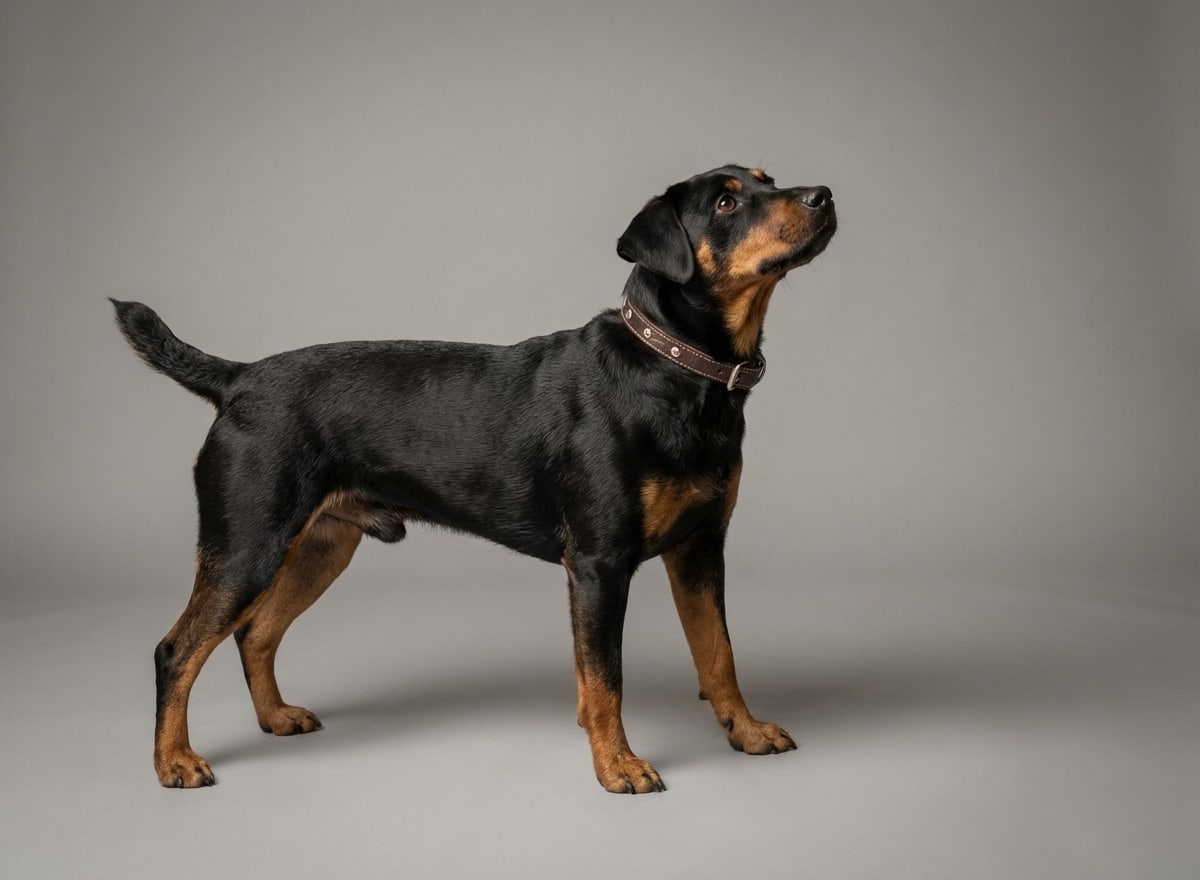
The Taiwan Dog's coat tells the story of thousands of years of tropical adaptation. While northern breeds developed thick double coats to survive freezing winters, the Taiwan Dog evolved in the opposite direction -- a short, tight, efficient coat designed for life in a warm, humid environment where cooling matters more than insulation.
This coat is beautifully simple. Understanding its properties helps you care for it correctly, even though "correctly" requires far less effort than most breed coats.
Ancient Origins, Practical Coat
The Taiwan Dog descends from ancient South Asian hunting dogs that accompanied Austronesian peoples to Taiwan approximately 10,000-20,000 years ago. DNA studies conducted by National Taiwan University confirmed the breed's ancient lineage, making it one of the oldest surviving domesticated dog breeds.
For millennia, these dogs lived and hunted in Taiwan's tropical and subtropical forests alongside indigenous communities. Natural selection -- not human breeding programs -- shaped the coat. Dogs with heavy coats overheated during pursuit. Dogs with too little coat suffered from sun exposure, insect bites, and scratches from dense vegetation. What survived was a coat perfectly calibrated for the environment: short enough to support cooling, dense enough to protect against the elements.
Coat Structure: Minimalist Engineering
Guard Hairs: Short (0.5-1 inch), straight, and lying flat against the body. The texture varies between individuals from smooth and sleek to slightly rough. Each hair is uniform in thickness from base to tip, creating a consistent, even appearance across the body.
Undercoat: Minimal to absent. Unlike Japanese Spitz-type breeds with dense double coats, the Taiwan Dog has very little undercoat. Some individuals have a sparse, thin undercoat that provides slight insulation; others have virtually no undercoat at all. This is the primary adaptation to tropical life -- undercoat retains heat, and in a hot climate, heat retention is a liability.
The absence of significant undercoat is the single most important fact about the Taiwan Dog coat. It means:
- No dramatic seasonal coat blows
- Minimal shedding volume (though shedding still occurs year-round)
- No risk of undercoat matting or packing
- No need for undercoat rakes or high-velocity drying
- Fast bathing and drying
- Reduced grooming time and cost
Color Diversity
The Taiwan Dog's color range reflects its genetic diversity as a naturally evolved breed:
Black: Solid black, sometimes with small white markings on the chest or toes. Use our free pricing calculator → Black Taiwan Dogs often have the sleekest, most glossy coat texture.
Fawn/Tan: Light golden to deep reddish-tan. The most common color in many lines. Fawn coats may show slight variation in shade across the body.
White: Solid white or predominantly white. As with all white-coated dogs, stain management is an additional (minor) care consideration.
Black and White: Bold patches of black and white. A common and striking pattern.
Brindle: Dark stripes over a lighter base. Less common but recognized in the breed.
Tricolor: Black, white, and tan in various patterns. A reflection of the breed's broad genetic base.
Color does not significantly affect coat care requirements for the Taiwan Dog. All colors have the same short, dense structure and the same minimal grooming needs.
Shedding: Present but Manageable
The Taiwan Dog sheds, but the experience is different from double-coated breeds:
Volume: Low to moderate. Without a heavy undercoat to release, the total volume of shed hair is significantly less than breeds like Labrador Retrievers, Shiba Inus, or German Shepherds.
Pattern: Year-round, relatively consistent. No dramatic seasonal coat blows. Some increase in shedding during spring is possible but nothing approaching the "event" that double-coated breed owners experience.
Texture: The short, stiff hairs embed in fabric more tenaciously than longer, softer hairs. While the volume is less, the individual hairs can be more annoying to remove from clothing and furniture. A rubber curry brush or deshedding glove is effective at removing loose hairs before they reach your couch.
Comparison: A Taiwan Dog household produces roughly 25-30% of the loose hair that a Labrador Retriever household does. The trade-off is that Taiwan Dog hairs are harder to remove once embedded.
Skin: The Real Focus for Short-Coated Breeds
With a short coat providing less physical barrier, the Taiwan Dog's skin is more exposed to environmental factors than heavily coated breeds. This shifts the grooming focus from coat management to skin care:
Sun Exposure: Light-colored Taiwan Dogs and those with thin coat coverage on the belly and inner legs can sunburn. If your dog spends extended time outdoors in strong sun, consider pet-safe sunscreen on exposed areas.
Insect Bites: Less coat means less protection against fleas, ticks, and mosquitoes. Preventive parasite treatment is particularly important for short-coated breeds in warm climates.
Allergies: Short-coated dogs often show skin allergies more visibly than long-coated dogs (because the skin is more visible and more exposed). Watch for redness, bumps, excessive scratching, and hot spots.
Dryness: In dry or air-conditioned environments, the skin can become dry and flaky. Omega fatty acid supplementation (fish oil) supports skin moisture and health.
Home Care: Simple and Effective
The Taiwan Dog requires the simplest grooming routine in this breed series:
Weekly Brushing: Use a rubber curry brush or bristle brush. Work over the entire body in circular motions to remove loose hair and distribute natural skin oils. Total time: 5-10 minutes.
Monthly Bathing: Use a mild, pH-balanced canine shampoo. The short coat washes easily and dries quickly -- even towel drying is sufficient. Avoid over-bathing, which strips natural skin oils.
Weekly Skin Check: Part the coat (easy on a short-coated dog) and examine the skin for redness, bumps, parasites, dry patches, or any unusual marks. The short coat makes this inspection quick and thorough.
Nail Check: Every 2-3 weeks. Active dogs on rough surfaces may self-maintain, but most domestic Taiwan Dogs need regular trimming.
Ear Check: Weekly visual and smell check. Erect ears generally stay clean, but outdoor dogs can accumulate debris.
Tools You Need (and Do Not Need)
You Need:
- Rubber curry brush or grooming mitt ($8-$12)
- Bristle brush ($10-$15)
- Nail clipper or grinder ($15-$25)
- Mild canine shampoo ($10-$15)
- Undercoat rake
- Slicker brush
- High-velocity dryer
- Dematting tools
- Thinning shears
- Metal greyhound comb
A Coat Perfected by Nature
The Taiwan Dog's coat was not designed by breeders pursuing an aesthetic ideal. It was shaped by thousands of years of natural selection in a tropical environment, refined by the simple logic of survival: keep the dog cool, protect the skin, and do not impede movement. The result is a coat that is practical, easy to maintain, and perfectly suited to an active, outdoor-oriented companion. Respect its simplicity. Do not try to complicate it with excessive products or elaborate routines. A weekly brush, a monthly bath, and a watchful eye on the skin beneath -- that is all this ancient coat asks.
---
Ready to streamline your grooming workflow? PawOps Board Manager helps salons track every Taiwan Dog from check-in to pickup with real-time visibility. Start your free 30-day trial →
Related Reading: