Why Your Thai Ridgeback Needs Professional Grooming (That Ridge Is Just the Beginning)
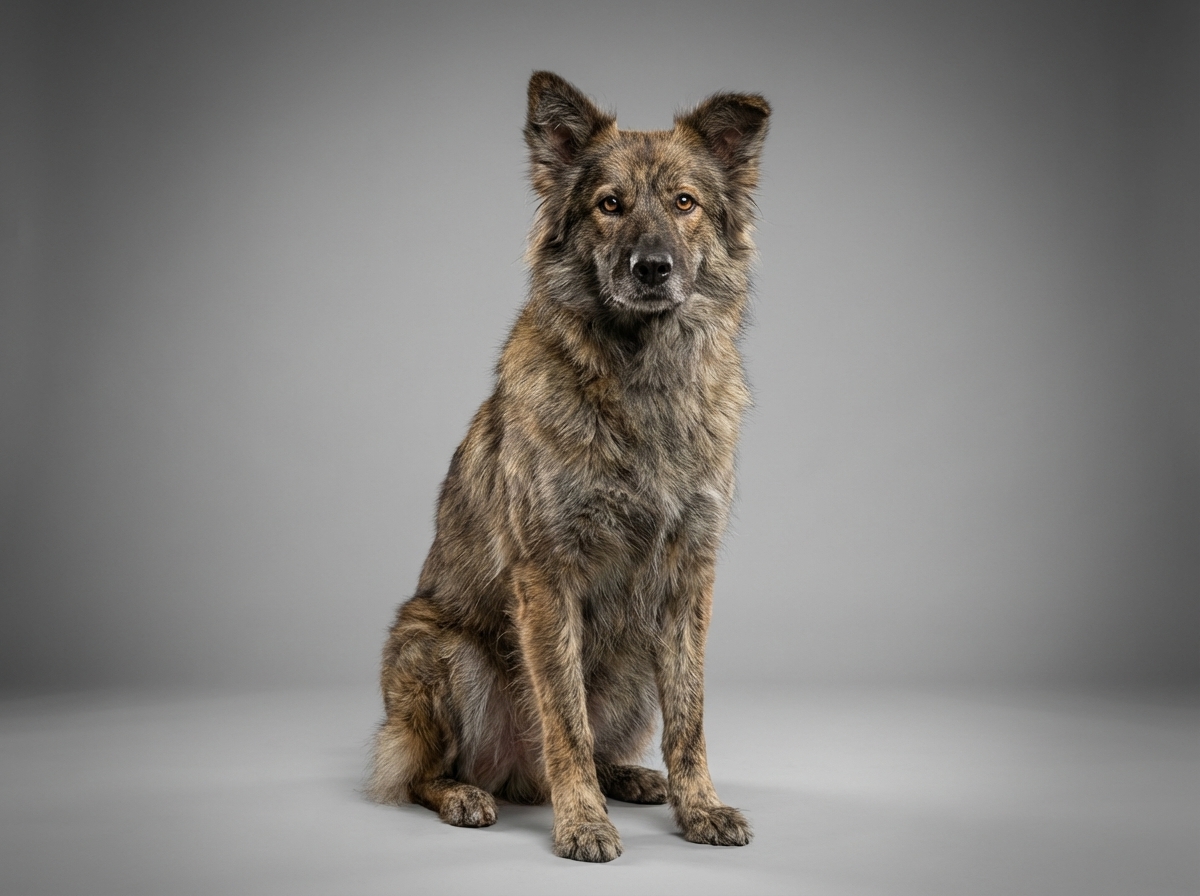
Why Your Thai Ridgeback Needs Professional Grooming (That Ridge Is Just the Beginning)
The Thai Ridgeback is one of only three breeds in the world with a dorsal ridge -- a strip of hair growing in the opposite direction along the spine. Originally from Thailand where they served as guard dogs, snake killers, and cart escorts, this rare primitive breed has a coat that looks minimal but hides grooming needs that catch new owners off guard.
With fewer than 300 Thai Ridgebacks registered in the US annually, your groomer has probably never seen one. Here is why they should.
The Thai Ridgeback Coat: Primitive and Purposeful
Thai Ridgebacks have a short, smooth coat that comes in two varieties:
- Standard coat: Short, hard-textured, close-lying. Approximately 1/4 to 1/2 inch.
- Velvet coat: Slightly softer and marginally longer. More common in certain bloodlines.
- Less shedding than double-coated breeds
- Faster drying after water exposure
- Less oil production (tropical breeds needed less waterproofing)
- Skin is more directly exposed to environmental contact
The Ridge: What It Is and Why It Matters
The defining feature of the Thai Ridgeback is the dorsal ridge -- a stripe of hair along the back that grows forward (toward the head) while the rest of the coat grows backward (toward the tail). This creates a visible line where the two growth directions meet.
Thai Ridgeback ridge characteristics:
- Located along the spine from behind the shoulders to the hip bones
- Can vary in width and shape (ideally symmetrical)
- May have "crowns" or "whorls" at the top (swirl patterns where the hair changes direction)
- The hair in the ridge is the same texture as the body coat but may appear slightly different due to growth direction
- The ridge area can trap more debris than flat-lying coat (hair direction catches particles)
- Skin along the ridge line where directions meet can develop irritation if not kept clean
- Some ridge patterns create small pockets where moisture or dirt can accumulate
- The ridge should be brushed in BOTH directions to properly clean it -- not just with the grain
Primitive Breed Skin Characteristics
Thai Ridgebacks are classified as a primitive breed -- meaning they developed through natural selection with minimal human-directed breeding modification. This gives them skin characteristics that differ from heavily domesticated breeds:
- Tighter skin with less fold/wrinkle than many breeds
- Natural resistance to many skin infections (primitive immune function)
- Lower sebaceous output than most hound breeds (tropical adaptation)
- Higher sensitivity to chemicals and synthetic products (less exposure in evolutionary history)
A professional groomer experienced with sensitive or primitive breeds will:
- Use fragrance-free, minimal-ingredient products
- Patch-test new products on a small area first
- Rinse thoroughly (product residue is a common irritant for this breed)
- Note which products work well for your specific dog and maintain consistency
The Handling Factor
Thai Ridgebacks are known for being reserved, independent, and sometimes reactive with strangers. They are loyal to their family but can be suspicious or aloof with unfamiliar people. This temperament affects grooming:
- They may not tolerate a new groomer easily
- Building trust takes time and consistency
- Rough or rushed handling creates lasting negative associations
- They respond better to calm, confident, slow-paced grooming than to efficiency-focused speed
What Professional Grooming Covers
A full grooming session for a Thai Ridgeback:
- Bath with gentle, fragrance-free shampoo -- thorough but not over-long (the single coat rinses quickly)
- Ridge-specific cleaning -- attention to the directional change area
- Full-body skin inspection -- primitive breeds can develop unusual skin conditions; baseline knowledge of your dog's normal helps identify changes
- Ear cleaning -- Thai Ridgebacks have upright ears that stay cleaner than floppy-eared breeds but still need regular attention
- Nail trimming -- this breed often resists nail work, making professional handling valuable
- Anal gland check -- if needed
- Coat conditioning -- light conditioner to maintain the short coat's natural sheen
- Tick and parasite check -- the short, single coat makes ticks visible but the ridge can hide them
Grooming Frequency
Thai Ridgebacks need less frequent grooming than many breeds due to their low-maintenance coat, but regular professional attention still serves important purposes:
| Schedule | Frequency | Purpose | |----------|-----------|---------| | Minimum recommended | Every 6-8 weeks | Skin health check, nail maintenance, ear care | | Standard | Every 4-6 weeks | Full service including thorough bath and inspection | | Active/outdoor dogs | Every 3-4 weeks | Parasite prevention, skin assessment, cleaning |
Between professional visits, Thai Ridgebacks need very little home maintenance -- a weekly wipe-down with a damp cloth and occasional brushing with a soft rubber brush covers it.
Why Not Just DIY Everything
The Thai Ridgeback's minimal coat makes home grooming tempting. Many owners do manage bathing at home successfully. But professional grooming still adds value:
- Objective health assessment -- a groomer seeing your dog monthly notices changes you miss
- Nail handling -- Thai Ridgebacks frequently resist nail trims from owners but accept them from professionals using proper technique and restraint
- Product knowledge -- knowing which products are safe for sensitive primitive-breed skin requires ongoing education
- The ridge -- proper cleaning and inspection of the ridge area benefits from someone who can see and access it clearly while the dog is on a grooming table
- Socialization benefit -- regular positive grooming experiences help this naturally reserved breed become more comfortable with handling by non-family humans
PawOps helps salons provide appropriate service recommendations for rare and primitive breeds like the Thai Ridgeback, pricing based on actual needs rather than assumptions about short-coated dogs being simple. Use our free pricing calculator →