Understanding Your Tibetan Mastiff's Coat: Built for the Himalayas, Living in Your House
Understanding Your Tibetan Mastiff's Coat: Built for the Himalayas, Living in Your House
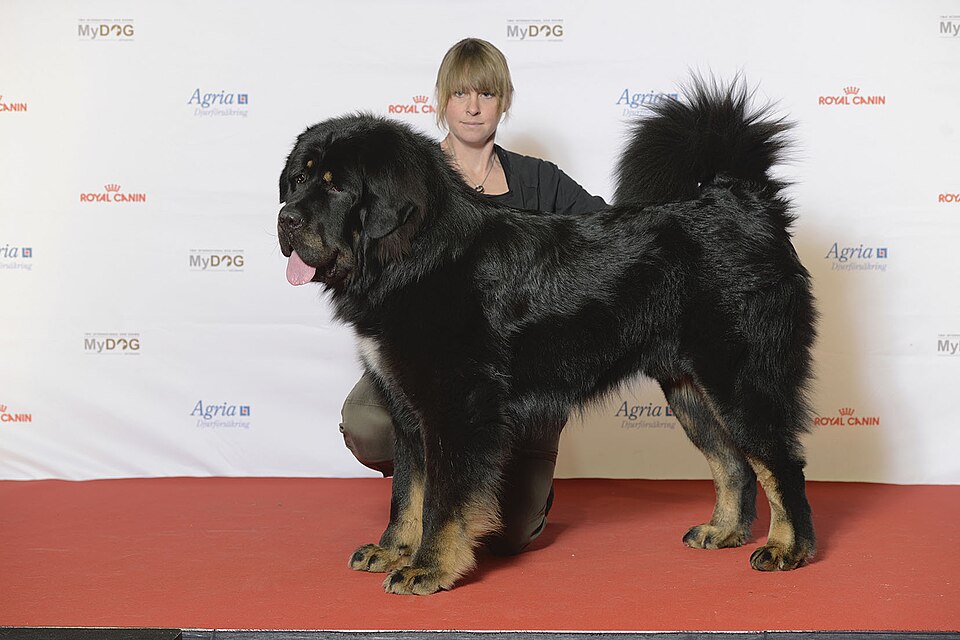
The Tibetan Mastiff's coat is not just fur. It is an engineering marvel developed over thousands of years to protect a guardian dog in one of the harshest climates on earth. Understanding what this coat is, how it works, and how it behaves in your living room instead of a Himalayan plateau is essential to keeping your TM healthy and comfortable.
The Architecture of the Coat
The Tibetan Mastiff has a classic double coat, but calling it "double" undersells what is happening. This coat has two distinct layers working together as an integrated system.
The Outer Coat
The outer coat -- also called the guard coat -- is long, straight, and has a hard, almost coarse texture. Individual hairs are thick and stand slightly away from the body. This layer repels water, deflects wind, blocks UV rays, and sheds dirt naturally. When properly maintained, a Tibetan Mastiff's outer coat has a natural sheen that indicates health.
The outer coat grows slowly. Once damaged or cut, it takes months to return to its original length and texture. This is why shaving a Tibetan Mastiff is such a serious issue -- the guard hairs may never fully recover their original protective quality.
The Undercoat
Beneath the guard coat sits a layer of dense, soft, woolly undercoat. This is the insulation system. In cold climates, the undercoat thickens dramatically to trap body heat. In warmer environments, the undercoat thins out -- sometimes substantially -- as the dog acclimates.
The undercoat grows and sheds on its own cycle, largely independent of the outer coat. This is why you can have a TM whose outer coat looks fine while the undercoat is packed with dead fur underneath.
The Mane
The signature mane -- that impressive ruff of thick fur around the neck and shoulders -- is a distinct growth zone. The hair here is longer, denser, and coarser than anywhere else on the body. Males typically develop more prominent manes than females, though both sexes carry some degree of neck ruff. The mane hair grows in a circular pattern around the neck, which creates natural overlapping layers that trap debris, tangles, and dead undercoat more readily than flatter body coat.
The Annual Blowout: What Actually Happens
The Tibetan Mastiff's shedding pattern is dramatically different from most double-coated breeds. While a Husky or Golden Retriever sheds year-round with seasonal peaks, the TM typically has one massive coat blow per year, usually in late spring or early summer.
During the blow, the entire undercoat loosens from the skin simultaneously. It does not fall out cleanly -- it pushes up through the guard coat in clumps and tufts, giving the dog a moth-eaten, patchy appearance until the process completes. The volume of dead fur is genuinely startling. First-time TM owners during their first coat blow frequently think something is medically wrong with their dog.
The blowout lasts two to six weeks. During this time, you will pull handfuls of undercoat from your dog during every brushing session. A single deshedding appointment can fill multiple garbage bags with dead fur.
Here is a fact that surprises many owners: Tibetan Mastiffs that live in consistently warm climates may have a less dramatic annual blow because they never develop the full dense undercoat in the first place. A TM in Florida carries a noticeably lighter coat than one in Montana. The breed has an unusual degree of coat adaptability to its environment -- a trait that served it well across the varied altitudes and microclimates of its Himalayan homeland.
Climate and Your TM's Coat
The Tibetan Mastiff's coat evolved for cold, dry, high-altitude conditions. Living in different climates changes how the coat behaves:
- Cold, dry climates: The coat reaches its full magnificent density. The undercoat is thick, the mane is impressive, and the overall coat volume is at maximum. This is what the breed standard describes.
- Temperate climates: The coat develops moderately. You get a solid double coat but not the extreme density of a cold-climate dog.
- Hot, humid climates: The undercoat thins significantly. The dog adapts but never loses the outer coat entirely. Humidity causes more rapid matting and creates conditions for skin issues under the coat. Extra vigilance with airflow and drying is critical.
- Hot, dry climates: The coat lightens but maintains reasonable structure. The dry air actually helps prevent some of the moisture-related issues that humid climates create.
Coat Colors and Their Quirks
Tibetan Mastiffs come in black, brown, blue-gray, and gold, with some showing tan markings. A few coat color observations that affect grooming:
- Black coats absorb more sun heat, which can make hot-weather coat management more critical
- Gold and tan coats tend to show dirt and staining more visibly
- Blue-gray coats sometimes have a slightly softer outer coat texture that can mat more easily than black
Common Coat Problems
Matting
The number one issue. Mats form behind the ears, in the mane, in the leg feathering, and around the hindquarters. During the coat blow, loose undercoat that is not removed will mat into the guard coat, creating composite mats that are extremely difficult to remove without cutting.
Hot Spots
Trapped moisture under the dense coat, especially in humid climates, can trigger acute moist dermatitis. These develop rapidly -- a normal area of skin can become a raw, oozing hot spot within 24 hours. Regular brushing that allows airflow to the skin helps prevent these.
Coat Texture Changes
Tibetan Mastiffs that are spayed or neutered sometimes develop a softer, cottony coat texture that mats more easily than the correct hard outer coat. This is a hormonal change that affects coat quality. It requires more frequent brushing and grooming.
Sun Bleaching
Black and dark brown TMs living in sunny climates may develop a reddish-brown tinge to the outer coat from UV exposure. This is cosmetic, not a health issue, but it can make the coat look faded.
Essential Care Between Grooming Appointments
Your home maintenance routine should include:
- Brushing 2-3 times per week (daily during the coat blow) with a slicker brush for the outer coat and an undercoat rake for the undercoat
- Mane checks twice weekly -- run a steel comb through the mane to catch early tangles
- Behind-the-ears check -- this is the most common matting zone; a two-minute comb-through prevents most mats here
- Paw pad checks -- trim fur between pads when it gets long enough to collect mud and debris
- Spray detangler before brushing sessions to reduce breakage and make the process easier for both of you
A Final Word on Respect for the Coat
The Tibetan Mastiff's coat represents thousands of years of natural selection in one of earth's most demanding environments. It is a functional system, not a fashion statement. Every grooming decision should respect the coat's purpose: protecting the dog. That means no shaving for convenience, no aggressive thinning for aesthetics, and no neglect because "it is just too much work."
If you chose a Tibetan Mastiff, you chose the coat. Honor it.
PawOps helps grooming salons assess heavy double coats using coat density scoring and seasonal condition tracking -- so your Tibetan Mastiff's coat gets the knowledgeable, respectful care it was designed to receive.