Understanding Your Toy Poodle's Coat: What Every Owner Should Know
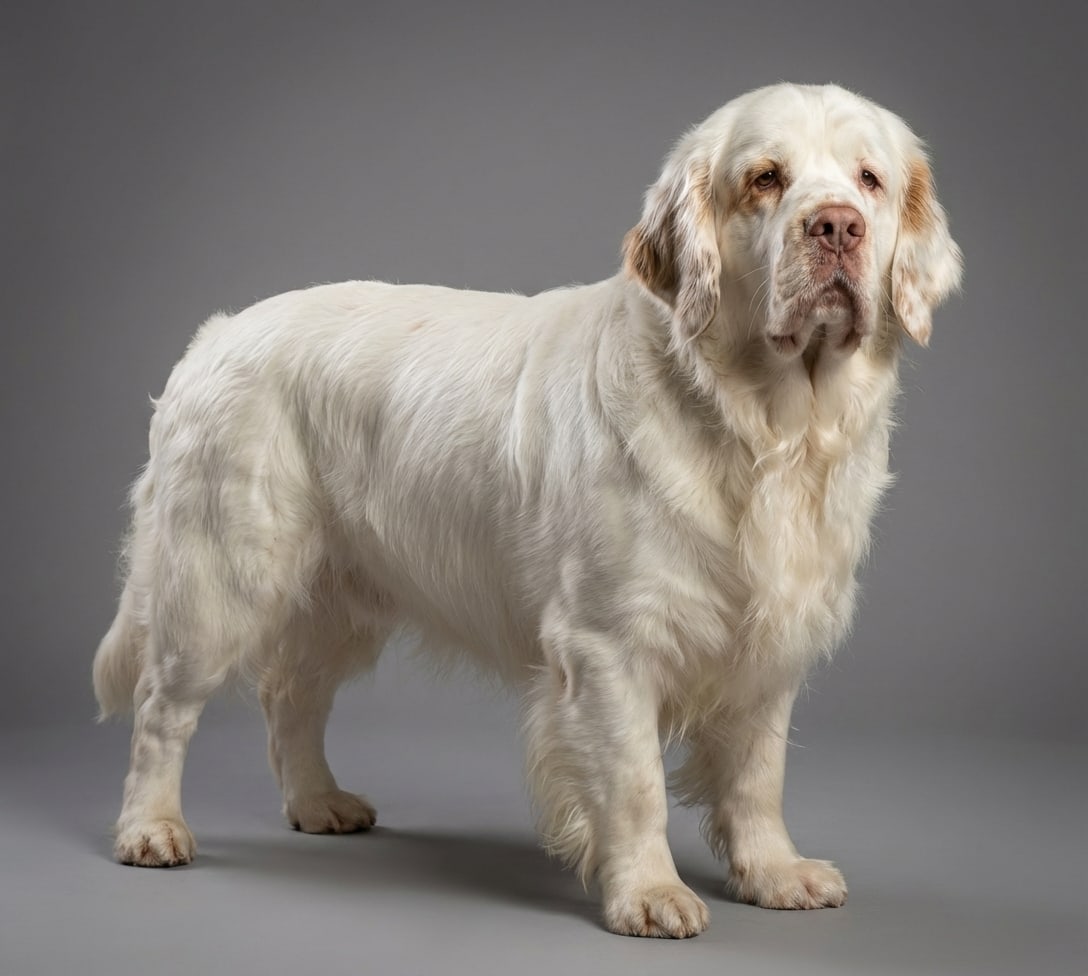
Understanding Your Toy Poodle's Coat: What Every Owner Should Know
The Poodle coat is the most studied, most groomed, and most misunderstood coat in the dog world. Every Toy Poodle owner needs to understand what makes this coat tick -- because once you understand the science behind the curls, maintaining them becomes logical rather than mysterious.
Curl Science: How Poodle Hair Works
Every Poodle hair grows from a curved follicle. This is the fundamental structural difference between Poodle hair and the straight or wavy hair of most breeds:
The Follicle Shape: A Poodle's hair follicle is curved rather than straight. As the hair grows upward from this curved base, it follows a spiral path, creating the characteristic tight curl.
Hair Cross-Section: Poodle hair has an oval cross-section (unlike the round cross-section of straight-haired breeds). This asymmetric shape contributes to the curling tendency because one side of the hair grows slightly differently than the other.
Growth Phase (Anagen): Poodle hair spends an exceptionally long time in the active growth phase -- much longer than most breeds. This is why the coat grows continuously rather than reaching a set length and falling out. The typical Poodle hair stays in anagen for years, compared to weeks or months for cycling breeds.
Minimal Shedding Mechanism: Because the growth phase is so extended, very few hairs are in the shedding phase (telogen) at any given time. Dead hairs that do release stay trapped in the surrounding curls rather than falling to the ground. This is the biological basis for the Poodle's "hypoallergenic" reputation -- not that they produce less allergen, but that less hair and dander escapes into the environment.
A study published in the Journal of Veterinary Dermatology confirmed that Poodle-type coats retain approximately 80% of shed hair within the coat matrix, compared to 15-30% in straight-coated breeds. This retention is what makes regular grooming essential -- the trapped hair must be manually removed or it creates mats.
The Puppy-to-Adult Coat Transition
Toy Poodle puppies go through a significant coat change that every owner must prepare for:
Puppy Coat (birth to 6-12 months): Soft, wavy, and relatively easy to manage. The curls are loose, the texture is silky, and matting is minimal. This stage lulls new owners into thinking Poodle grooming is manageable at home.
The Transition (typically 9-18 months): The puppy coat begins shedding out while the adult coat grows in. For 2-6 months, TWO coat textures exist simultaneously on the dog -- soft puppy hair and coarser adult hair. This mix tangles aggressively. The transition period is the #1 reason Toy Poodle puppies end up at the groomer with severe matting.
Adult Coat (18+ months): The mature coat is denser, coarser, and curlier than the puppy coat. It mats faster but is also more predictable to manage. Once the transition is complete, a regular grooming schedule becomes sustainable.
The Critical Lesson: Start professional grooming BEFORE the transition begins. A Toy Poodle puppy should see a groomer by 12-16 weeks old to establish the habit. Waiting until the coat becomes unmanageable teaches the puppy that grooming is stressful rather than routine.
Color and Coat Quality
Toy Poodles come in a remarkable range of solid colors:
- Black: Dense, jet-black curls. Often the coarsest, most curl-defined texture.
- White: Bright, clean white. Tends toward slightly softer texture.
- Apricot: Warm peach tones. Can fade with sun exposure and age.
- Red: Deep, vibrant reddish tones. The most recent addition to the color spectrum.
- Brown (chocolate): Rich liver coloring. Can develop a reddish tinge.
- Silver: Born black, fades to platinum over 2-3 years. Dramatic transformation.
- Blue: Born black, fades to a dark steel blue. Similar transition to silver.
- Cream: Very pale, warm-toned white.
- Cafe au lait: Light brown with a warm undertone.
- Gray: Born dark, fading gradually.
Color Fading: Several Poodle colors (silver, blue, cafe au lait) undergo a dramatic lightening process called "clearing" during the first 2-3 years. The coat may appear patchy during this transition -- this is normal, not a health issue.
Understanding Curl Density
Not all Toy Poodle curls are created equal:
Correct Coat: Dense, evenly curled across the body. When a section is lifted and released, it springs back. The texture feels plush and springy -- like high-quality velvet. This coat grooms predictably and holds styles well.
Soft Coat: Some Toy Poodles have a softer, less tightly curled coat. This variation is easier to brush but holds styles less effectively, mats more easily (the curls do not separate as distinctly), and requires more frequent professional attention.
Cottony Coat: A coat fault where the texture is fluffy and cotton-like rather than curly. Extremely mat-prone and difficult to maintain in any styled look. Dogs with cottony coats often do best in very short clips.
Corded Coat: The Poodle's curls can be encouraged to form rope-like cords (dreadlocks). This is an alternative presentation seen in the show ring. Corded Poodles require a completely different maintenance approach than curly Poodles.
The Coat Care Routine
Daily (10-15 minutes -- non-negotiable):
- Slicker brush through the entire coat, working in sections
- Metal comb through each section after brushing (the comb is the truth detector -- if it catches, there is a tangle the brush missed)
- Pay extra attention to: behind ears, armpits, inner thighs, base of tail, and under collar
- Mist with grooming spray before brushing to reduce static and breakage
- Check ear hair growth (Poodle ear canals grow hair that traps moisture)
- Clean eye area (tear staining common in lighter colors)
- Inspect feet for matted hair between pads
- Full groom with style of choice
- Fluff dry with straightening
- Clipper and scissor work
- Ear cleaning and hair management
- Nail trimming
- Anal gland check
Tools Every Toy Poodle Owner Needs
- Slicker brush (firm): The daily workhorse. Must be firm enough to penetrate the dense curls but not so harsh it scratches the skin.
- Metal greyhound comb (fine and wide tooth): For verifying the slicker brush did its job. If the comb passes through, the section is tangle-free.
- Grooming spray/detangler: Light mist before brushing prevents static and breakage. Never brush a completely dry Poodle coat.
- Pin brush: Gentler option for face and sensitive areas.
- Ear cleaner: Veterinary-approved solution for weekly ear maintenance.
- Small clipper with #10 blade (for face, feet, tail base between visits)
- Thinning shears (for minor touch-ups)
Mistakes That Damage the Poodle Coat
Skipping Daily Brushing: The number one coat crime. Even one missed day allows tangles to start. Two missed days creates tangles that take 30 minutes to resolve. A week of missed brushing creates mats.
Using the Wrong Shampoo: Heavy, moisturizing shampoos soften the curl and reduce its definition. Poodle coat benefits from texturizing or clarifying shampoos that clean without over-conditioning.
Air Drying: A Poodle coat that air dries will form tight, irregular curls that mat to each other. The professional fluff-dry technique (blow-drying while brushing straight) creates the even, plush surface needed for styling.
Brushing Without Spray: Dry brushing breaks hair and causes static that tangles curls together. Always mist with grooming spray before touching the coat with a brush.
Ignoring the Base of the Coat: Surface brushing that never reaches the skin is grooming theater. Tangles form at the base of curls, close to the skin. The brush must reach to the skin on every stroke.
The Coat as Barometer
A healthy Toy Poodle coat tells you the dog is thriving:
- Healthy: Dense, springy curls with natural sheen. Color is rich and even.
- Nutritional issues: Dry, brittle hair. Faded color. Thinning.
- Thyroid problems: Symmetrical hair loss, coat texture changes.
- Stress: Dull coat, increased matting tendency.
- Allergies: Excessive scratching leads to broken curls and thin areas.
The Poodle's Greatest Feature
The Toy Poodle's coat is, simultaneously, its greatest asset and its greatest maintenance demand. Those dense curls, properly cared for, create one of the most elegant, versatile, and eye-catching looks in the dog world. Every style -- from a simple pet clip to an elaborate continental -- showcases a coat that has fascinated dog lovers for centuries. Understanding the coat makes you a better partner to your Poodle, and a better partnership means a more beautiful, comfortable dog.
---
Ready to streamline your grooming workflow? PawOps Board Manager helps salons track every Toy Poodle from check-in to pickup with real-time visibility. Start your free 30-day trial →
Related Reading: