Understanding Your Treeing Walker Coonhound's Coat: What Every Owner Should Know
Understanding Your Treeing Walker Coonhound's Coat: What Every Owner Should Know
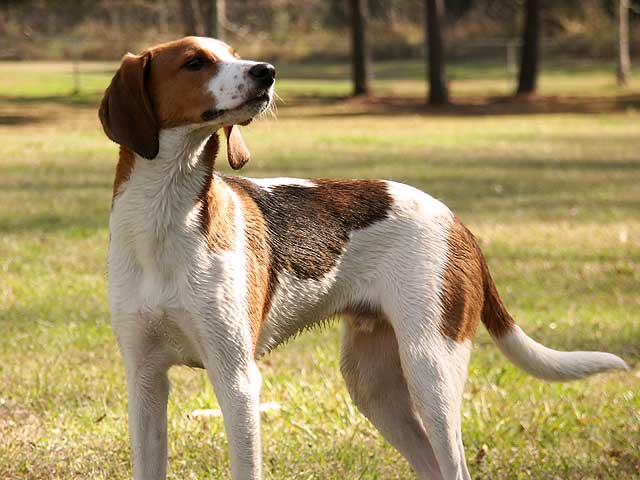
The Treeing Walker Coonhound's coat looks deceptively simple. Short, smooth, shiny -- what is there to understand? Quite a bit, actually. That uncomplicated-looking coat is a purpose-built system with specific characteristics that affect how you care for your dog, what grooming it needs, and what health signals it sends you.
Here is what every Treeing Walker owner should know about the coat they live with.
Coat Type and Structure
Treeing Walker Coonhounds have a smooth double coat. This means two layers:
Outer coat: Short, dense, hard-textured guard hairs that lie flat against the body. These hairs are designed to be weather-resistant -- they shed water, resist thorns and brush, and provide a smooth surface that does not snag on undergrowth. Individual hairs are stiff and straight, typically 1/2 to 3/4 inch long.
Undercoat: A softer, denser layer close to the skin that provides insulation. The undercoat is less visible but very much present. It thickens in winter and thins in spring, which is why shedding intensifies seasonally even though the coat appears the same length year-round.
This double-coat structure means the Treeing Walker sheds -- not in clumps like a Husky, but in a constant low-level rain of short, stiff hairs that embed into fabric and resist lint rollers.
The Shedding Reality
Let us be honest about shedding. Treeing Walker Coonhounds are moderate to heavy shedders.
The American Kennel Club rates their shedding as moderate, but many owners feel that undersells the reality. The issue is not volume per se -- it is the nature of the hairs. Short, stiff hairs from smooth-coated breeds act like tiny needles that weave into upholstery fibers, embed in car seats, and resist standard vacuuming. A 2024 pet industry consumer survey found that owners of short-coated shedding breeds report spending 20% more on lint removal tools and furniture covers than owners of medium-coated breeds.
Shedding follows a pattern:
| Season | Shedding Level | What Is Happening | |--------|---------------|-------------------| | Spring | Heavy | Undercoat thinning for warm weather | | Summer | Moderate | Steady maintenance shedding | | Fall | Heavy | Undercoat thickening for winter | | Winter | Low-moderate | Minimal shedding, coat at full density |
The heavy shedding periods last 2 to 4 weeks and then taper. During these periods, daily brushing with a rubber curry brush or hound glove makes a significant difference.
Skin and Oil Production
The Treeing Walker's coat system includes something many owners do not expect: above-average oil production. The sebaceous glands in coonhound skin produce more oil than breeds like Retrievers or Shepherds. This is functional -- the oil provides water resistance and skin protection for a dog bred to work outdoors in all conditions.
But that oil comes with consequences:
- The hound smell. That distinctive coonhound odor is produced by the interaction between skin oil, bacteria, and environmental factors. It intensifies in warm weather and after the dog gets wet. The oil itself is not the smell -- it is what happens as the oil accumulates and breaks down.
- Greasiness on furniture. A Treeing Walker who lies on your couch leaves oil behind. Over time, you will notice darkened spots on light-colored furniture where the dog regularly rests.
- Faster dirt accumulation. Oil attracts and holds dirt and dust. A Treeing Walker that has not been bathed in several weeks feels noticeably different to touch than a freshly bathed one.
Coat Color and Pattern
Treeing Walker Coonhounds come in a tricolor pattern -- white with black and tan markings. Less commonly, they appear in bicolor (white and black or white and tan). The coat color itself does not affect grooming needs, but it is worth noting:
- White areas show dirt more quickly, which is why Treeing Walkers often look dirtier sooner than solid-colored dogs doing the same activities
- Dark areas may feel slightly different in texture -- melanin-rich hairs tend to be marginally coarser
- Sun exposure can fade black markings to a reddish-brown over time, particularly on dogs that spend extended hours outdoors
What a Healthy Coat Looks Like
Knowing what healthy looks like helps you spot problems early:
Healthy Treeing Walker coat:
- Smooth and flat-lying with a natural shine
- Firm to the touch but not harsh or brittle
- Skin underneath is pink or light-colored, not red or flaky
- Even coverage with no bald spots
- Light oil film when you rub against the grain -- present but not excessive
- Dull, dry-looking coat with no shine -- may indicate nutritional deficiency or internal health issues
- Excessive oiliness beyond normal -- could signal skin infection, allergies, or hormonal imbalance
- Dandruff or flaking -- dry skin from over-bathing, allergies, or environmental factors
- Patchy hair loss -- possible allergies, mange, or fungal infection
- Red or irritated skin under the coat -- contact allergies or bacterial infection
How Diet Affects the Coat
The Treeing Walker's coat responds noticeably to diet quality. Because the coat is short and lies flat, changes in skin health and hair condition are visible quickly -- there is no long hair to mask poor condition.
Key nutritional factors for coat health:
- Omega-3 and Omega-6 fatty acids -- these directly affect skin oil quality and coat shine. Dogs on diets rich in fish oil or flaxseed consistently show better coat condition in veterinary studies.
- Protein quality -- hair is made of keratin, a protein. Low-quality protein sources produce weaker, duller coats.
- Zinc -- deficiency causes dry, flaky skin and poor coat quality. This is occasionally seen in large, fast-growing hound breeds.
Climate Considerations
Treeing Walkers adapt their coat to their environment, but there are limits:
Hot climates: The coat thins naturally, but the dog still has two layers. They manage heat through panting and behavior (seeking shade, reducing activity). Never shave a Treeing Walker -- the double coat actually provides insulation from heat as well as cold, and shaving disrupts the growth cycle.
Cold climates: The undercoat thickens substantially. Treeing Walkers can tolerate cold weather better than their short coat suggests, though they are not arctic breeds. Below 20 degrees Fahrenheit, most need some protection for extended outdoor time.
Humid climates: Higher humidity increases the hound smell. The combination of skin oil and moisture creates an ideal environment for the bacteria that produce odor. Treeing Walkers in humid climates typically need more frequent bathing.
Home Maintenance Between Grooming Appointments
What you do at home between professional grooms makes a real difference:
- Weekly brushing with a rubber curry brush or hound mitt -- 5 minutes distributes oil, removes loose coat, and stimulates the skin
- Ear checks every 2-3 days -- lift the ear flap, look for redness or smell, wipe the inner flap with a damp cloth
- Paw checks after outdoor activity -- look for cracked pads, embedded debris, or irritation between toes
- Wipe-downs after dirty outings -- a damp grooming cloth over the whole body removes surface dirt and reduces bathing frequency
The Bottom Line on Your Treeing Walker's Coat
This coat was built for a working dog that needed minimal fuss in the field. It performs that job excellently. But living in a home with furniture, close human contact, and climate control changes the equation. The coat that needed nothing in the woods needs regular attention in the house.
Understand what your Treeing Walker's coat is doing -- shedding consistently, producing oil for protection, and signaling health status -- and you can manage it efficiently rather than fighting against its nature.
PawOps helps groomers assess short-coated breeds accurately, using coat condition scoring to determine whether a hound needs a basic bath or a full de-shedding service -- so you get the right service at the right price.