Understanding Your Vizsla's Coat: The Golden-Rust Guide for Owners
Understanding Your Vizsla's Coat: The Golden-Rust Guide for Owners
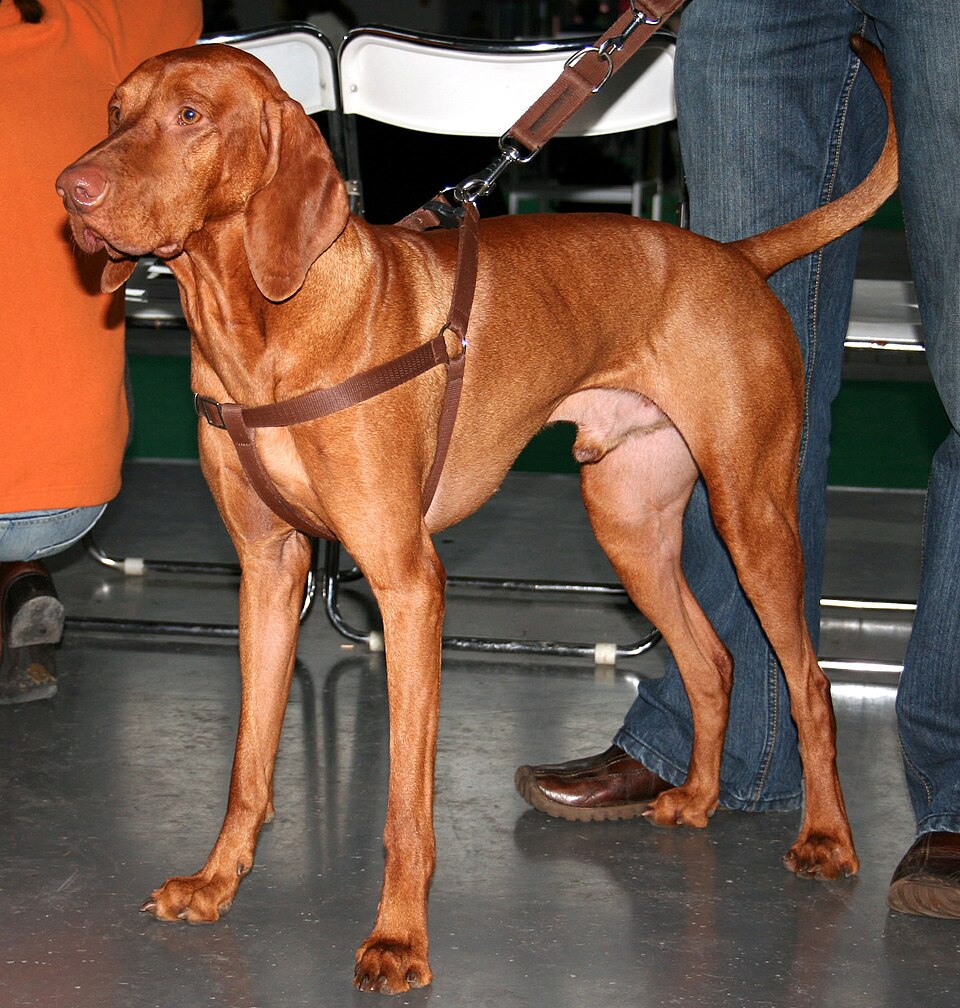
The Vizsla wears what might be the most minimalist coat in the sporting dog world. That tight, golden-rust covering is elegant, functional, and deceptively simple-looking. But understanding what makes the Vizsla coat unique helps you make better decisions about care, health monitoring, and grooming.
Let's break down everything happening with that beautiful golden coat.
The Vizsla Coat: Minimal by Design
The Vizsla was developed in Hungary as an all-purpose hunting dog that needed to work in varied terrain and weather. The coat reflects this heritage:
Single coat, no undercoat. The Vizsla is one of the few sporting breeds with genuinely no undercoat. What you see is what you get -- a single layer of short, smooth, dense hair.
Close-lying. Unlike some short-coated breeds where the hair has some stand-off (like a Labrador), Vizsla hair lies flat against the body, almost like it's painted on. This gives the breed its sleek, aerodynamic look.
Uniform length. The coat is roughly the same length all over the body -- no feathering on the legs, no ruff around the neck, no plume on the tail. The belly and inner thighs may have slightly thinner coverage.
Self-cleaning properties. A healthy Vizsla coat sheds dirt and debris naturally. Dried mud tends to flake off without intervention. This isn't magic -- it's the coat's smooth texture and natural oils working as they should.
Here's the really surprising part: despite having essentially the bare minimum of coat, Vizslas can still function in cold weather better than you'd expect. The coat's density, combined with the breed's high metabolism and muscle mass, provides more warmth than the thin appearance suggests. That said, they're not Arctic dogs -- a coat for winter walks below 40 degrees Fahrenheit is a good idea.
Vizsla Coat Color: More Than Just "Red"
The Vizsla coat color is officially described as "golden rust" by the AKC, but there's more variation than that single label suggests:
- Golden rust -- The classic, most common shade. A warm, reddish-gold.
- Dark golden rust -- Deeper, more mahogany-toned. Some lines produce notably darker dogs.
- Light golden rust -- Lighter, sandier tones. Still golden but leaning toward wheat.
An interesting genetic detail: the Vizsla's golden rust color is produced by a specific combination of genes (the "e" locus and phaeomelanin intensity modifiers). This is different from the gene combination that produces golden color in Golden Retrievers, which is why the two golds look distinctly different despite superficial similarity.
How the Vizsla Coat Sheds
Vizslas shed. It's light compared to double-coated breeds, but it's consistent and ongoing.
Shedding characteristics:
- Year-round, steady shedding (no dramatic seasonal blowouts)
- Short, fine hairs that are difficult to see individually but accumulate on fabric
- More noticeable shedding in spring and fall (slight seasonal increase)
- Stress, hormonal changes, and diet can increase shedding temporarily
Professional grooming with rubber curry tools removes loose hairs before they embed in your belongings. It's not going to eliminate shedding, but it concentrates the hair removal in one place (the grooming salon) instead of across every surface in your home.
Skin: The Real Story Beneath the Vizsla Coat
Because the coat provides so little buffer, Vizsla skin takes center stage in health management:
Contact Allergies
Vizslas are prone to contact allergies at higher rates than most breeds. Common triggers:- Grass (especially Bermuda grass and fescue)
- Carpet chemicals and cleaning agents
- Certain laundry detergents on bedding
- Seasonal pollen
Sebaceous Adenitis
Like the Akita, Vizslas appear on the list of breeds with elevated risk for sebaceous adenitis -- an autoimmune condition that attacks the oil-producing glands. It's less common in Vizslas than in Akitas or Standard Poodles, but it does occur. Signs include:- Dry, scaly patches (especially along the spine)
- Hair loss in affected areas
- Dull, brittle coat
- Musty skin odor
Hypothyroidism
Vizslas have a moderate predisposition to hypothyroidism, which impacts coat quality directly:- Thinning coat, especially on the flanks
- Dull, lackluster appearance
- Slow regrowth after shedding
- Increased shedding volume
Sun Damage
The belly, groin, inner legs, and nose are all vulnerable to UV damage. Chronic sun exposure without protection can lead to solar dermatitis -- a painful inflammatory condition that can progress to skin cancer in severe cases.For Vizslas that spend significant time outdoors, pet-safe sunscreen on exposed areas is a legitimate recommendation. Your groomer can point out which areas on your specific dog are most vulnerable.
Caring for Your Vizsla's Coat
Daily (2-3 minutes)
- Quick visual scan for bumps, rashes, or irritation
- Run your hands over the body checking for ticks or debris
- Vizsla coats show changes quickly -- pay attention
Weekly (5-10 minutes)
- Rubber curry brush to remove loose hair and stimulate oil production
- Ear check and wipe
- Paw pad inspection (active dogs accumulate damage)
Professional Grooming (every 6-8 weeks)
- Gentle bath with appropriate products
- Conditioning treatment
- Thorough skin inspection
- Nail trim
- Ear cleaning
- Teeth brushing
Bathing Guidelines
- Frequency: Every 4-8 weeks depending on activity level
- Water temperature: Lukewarm (Vizslas are temperature-sensitive)
- Shampoo: Hypoallergenic, oatmeal-based, or veterinary-recommended
- Conditioning: Light conditioner to maintain coat oils
- Drying: Towel dry is usually sufficient; Vizslas dry quickly
- Warning: Over-bathing strips natural oils and causes the dryness you're trying to prevent. More than twice a month is too much unless directed by a veterinarian.
Nutrition and the Vizsla Coat
The Vizsla coat is highly responsive to nutrition because the short growth cycle means dietary changes show results quickly:
- Omega-3s -- Anti-inflammatory, promotes coat shine
- Omega-6s -- Supports skin barrier function
- Quality protein -- Keratin (hair protein) requires adequate amino acids
- Vitamin E -- Antioxidant that protects skin cells
- Zinc -- Supports skin integrity and wound healing
Embracing the Vizsla Coat
The Vizsla coat is a reflection of the breed itself: no nonsense, functional, and beautiful in its simplicity. It doesn't demand hours of grooming or expensive products. What it demands is attention -- paying attention to what the skin is telling you, staying consistent with basic maintenance, and partnering with a groomer who understands that "short coat" doesn't mean "no care needed."
When a Vizsla's coat is healthy, it has a luminous quality -- that golden-rust color practically glows in sunlight. It's one of the most beautiful natural coat colors in the dog world, and keeping it at its best requires surprisingly little effort and modest investment.
Just don't mistake "low-maintenance" for "no maintenance." Your Vizsla's coat is low-key, but it's not invisible.
---
Ready to streamline your grooming workflow? PawOps Board Manager helps salons track every Vizsla from check-in to pickup with real-time visibility. Start your free 30-day trial →