Understanding Your Weimaraner's Coat: The Silver Ghost's Sleek Secret
Understanding Your Weimaraner's Coat: The Silver Ghost's Sleek Secret
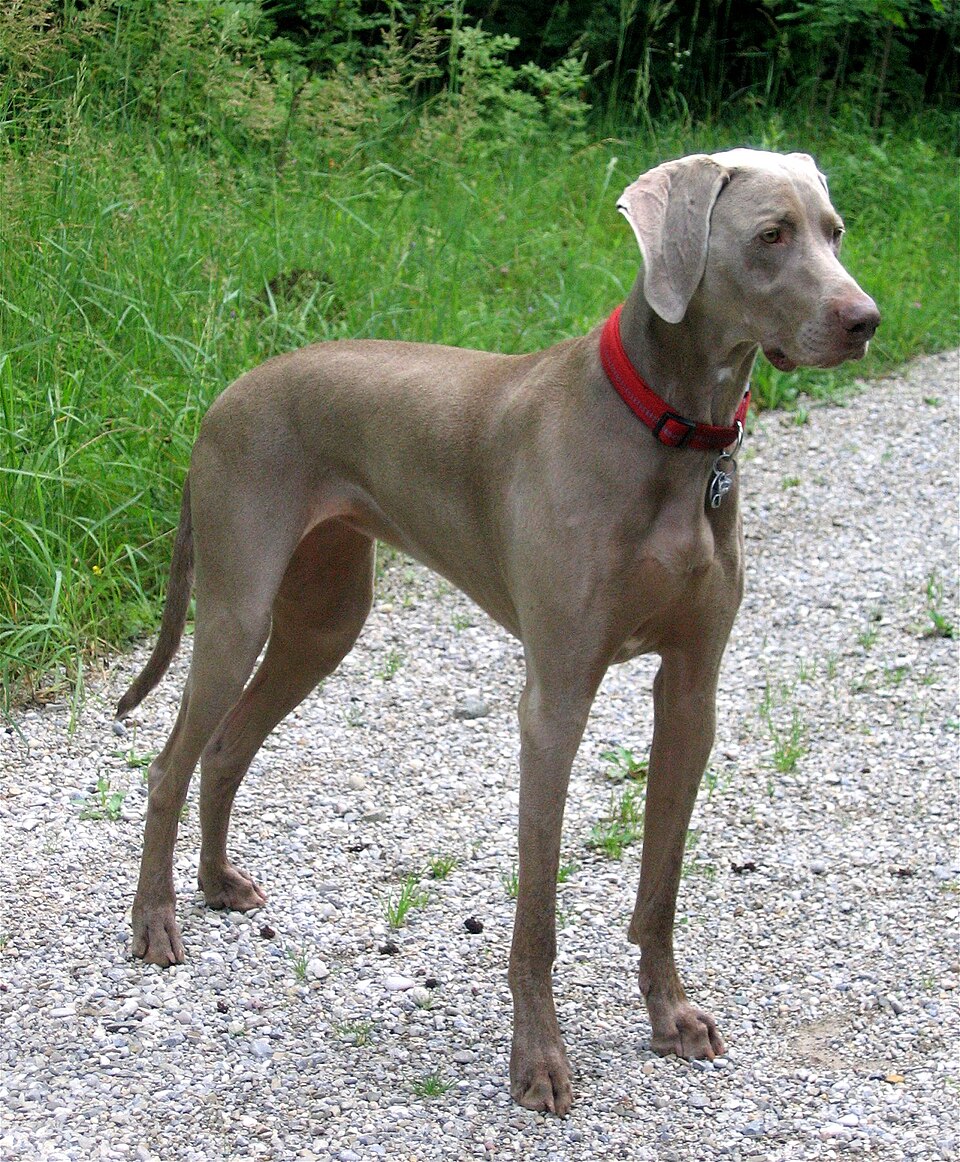
That stunning silvery-gray coat is the Weimaraner's calling card. It's what gives the breed its nickname -- the Silver Ghost -- and it's one of the most distinctive coats in the dog world. But there's more going on beneath that smooth surface than most owners realize.
Let's get into the details of what makes the Weimaraner coat unique and how to keep it at its best.
Weimaraner Coat Structure: Single Layer, Maximum Sleekness
Unlike most sporting breeds, the standard Weimaraner has a single coat -- no undercoat at all. This is unusual in the sporting group and has practical implications:
What a single coat means:
- Less insulation against cold (Weimaraners are not cold-weather dogs)
- More skin exposure to environmental elements
- Less shedding volume than double-coated breeds
- Faster drying time after baths or swimming
- Greater skin sensitivity to irritants and allergens
Here's a detail that surprises many Weimaraner owners: the coat color isn't technically gray. It's a dilute brown, which is why you'll sometimes see warm undertones in certain lighting. The dilution gene that creates the signature silver-gray color also affects the nose (gray rather than black) and eyes (amber, gray, or blue-gray).
The Surprise: There's a Long-Haired Variety
Most people have no idea that long-haired Weimaraners exist. They're recognized by the FCI (international kennel club) but not by the AKC, which is why they're rarely seen in the United States.
Long-haired Weimaraners have:
- A soft, flat or slightly wavy coat 2-5 centimeters long
- Feathering on the ears, tail, and backs of legs
- The same silver-gray color
- Significantly different grooming needs (more similar to a Setter than a standard Weim)
Weimaraner Coat Colors
The AKC recognizes three Weimaraner coat colors:
- Silver gray -- The classic, most common color. A cool-toned medium gray.
- Mouse gray -- Slightly darker and warmer toned.
- Silver -- Lighter, with more pronounced silver sheen.
There is also the controversial "blue Weimaraner," which has a darker, steel-blue coat. The AKC considers this a disqualification from the breed standard, but they exist and have the same grooming needs as standard-colored Weims.
How Weimaraners Shed
The common myth is that Weimaraners don't shed. They absolutely do.
What's different about Weimaraner shedding:
- Consistent year-round shedding rather than seasonal blowouts
- Short, fine hairs that embed in fabric and are harder to remove than longer fur
- Less visible on gray or neutral-colored furniture and clothing
- Moderate volume -- less than double-coated breeds but more than truly low-shedding breeds like Poodles
Rubber curry tools are the most effective deshedding tool for Weimaraners. They grip the short, smooth hairs that slicker brushes and rakes miss entirely.
Common Weimaraner Coat and Skin Issues
Allergic Dermatitis
Weimaraners have a well-documented predisposition to allergic skin conditions. Environmental allergens (grass, pollen, dust mites) and food sensitivities both manifest as skin reactions:- Red, itchy patches
- Excessive licking or scratching
- Recurrent hot spots
- Dull, dry coat
- Hair thinning, especially on the belly and inner legs
Color Dilution Alopecia
This is a genetic condition directly linked to the Weimaraner's dilute coat color gene. It affects some -- but not all -- dilute-colored dogs and causes:- Progressive hair thinning
- Dry, scaly patches
- Bacterial skin infections in affected areas
- A rough, "moth-eaten" appearance to the coat
Mast Cell Tumors
Weimaraners are genetically predisposed to mast cell tumors, which often appear as lumps on or under the skin. The short coat makes visual detection easier than on fluffy breeds, but regular professional grooming ensures systematic, hands-on examination of the entire body. Early detection is critical -- caught early, mast cell tumors have a 90% or better treatment success rate.Dry Skin
Without an insulating undercoat, Weimaraner skin is more exposed to dry air, especially in winter or air-conditioned environments. Signs include:- Visible flaking
- Dull coat with no sheen
- Excessive scratching
- Rough texture to the coat
Caring for Your Weimaraner's Coat
Weekly Home Routine (5-10 minutes)
- Run a rubber curry mitt over the entire body to remove loose hair and stimulate oil production
- Wipe the coat with a slightly damp chamois cloth for instant shine
- Check for any new bumps, lumps, or skin changes
- Inspect and wipe ears
Monthly Home Maintenance
- Quick bath with gentle, pH-balanced dog shampoo (only if needed -- over-bathing strips oils)
- Apply a light coat conditioner or coconut oil if skin is dry
- Nail check (trim if needed or wait for professional appointment)
Professional Grooming (every 6-8 weeks)
- Full bath with breed-appropriate products
- Conditioning treatment
- Nail trim (dark nails = professional hands)
- Ear cleaning and drying
- Teeth brushing
- Full-body skin inspection
- Anal gland check
Products That Work for Weimaraners
- Rubber curry mitts or zoom grooms -- Best deshedding tool for the coat type
- Oatmeal-based or hypoallergenic shampoos -- Gentle on sensitive skin
- Leave-in conditioners with aloe -- Combat dryness without residue
- Chamois cloths -- Quick shine between baths
Products to Avoid
- Harsh detergent-based shampoos -- Strip protective oils
- Slicker brushes -- Too aggressive for single-coated breeds
- Heavy conditioners -- Weigh down the coat and make it look dull
- Flea shampoos with pyrethrin -- Weimaraners can be sensitive; use vet-recommended flea prevention instead
Nutrition and the Weimaraner Coat
The Weimaraner coat responds quickly to dietary changes because the single layer has a shorter growth cycle than thick double coats:
- Omega-3 fatty acids (fish oil, salmon-based diets) -- Improve coat sheen and reduce inflammation
- High-quality protein -- Supports healthy hair growth
- Zinc -- Prevents dry, flaky skin (some Weims are marginally zinc-deficient)
- Biotin -- Strengthens hair structure
Living With the Silver Coat
The Weimaraner coat is genuinely one of the easier coats to maintain -- but "easy" doesn't mean "nothing." That single layer of short, fine hair needs consistent care to stay healthy, shiny, and problem-free.
The payoff is a dog that looks absolutely striking. A well-groomed Weimaraner with that silver coat gleaming in the sun is one of the most beautiful sights in the dog world. Treat the coat right, and your Silver Ghost will turn heads everywhere you go.
---
Ready to streamline your grooming workflow? PawOps Board Manager helps salons track every Weimaraner from check-in to pickup with real-time visibility. Start your free 30-day trial →