Why Your Weimaraner Needs Professional Grooming (Yes, Even With That Short Coat)
Why Your Weimaraner Needs Professional Grooming (Yes, Even With That Short Coat)
Weimaraner owners love bragging about their dog's "easy" coat. Short, sleek, and silvery -- what's to groom? Well, quite a bit actually. That no-fuss appearance hides a set of breed-specific grooming needs that, when ignored, lead to skin problems, discomfort, and vet bills that dwarf the cost of a grooming appointment.
Let's bust the myth that Weimaraners are maintenance-free and talk about why professional grooming matters for this breed.
The Short Coat Misconception
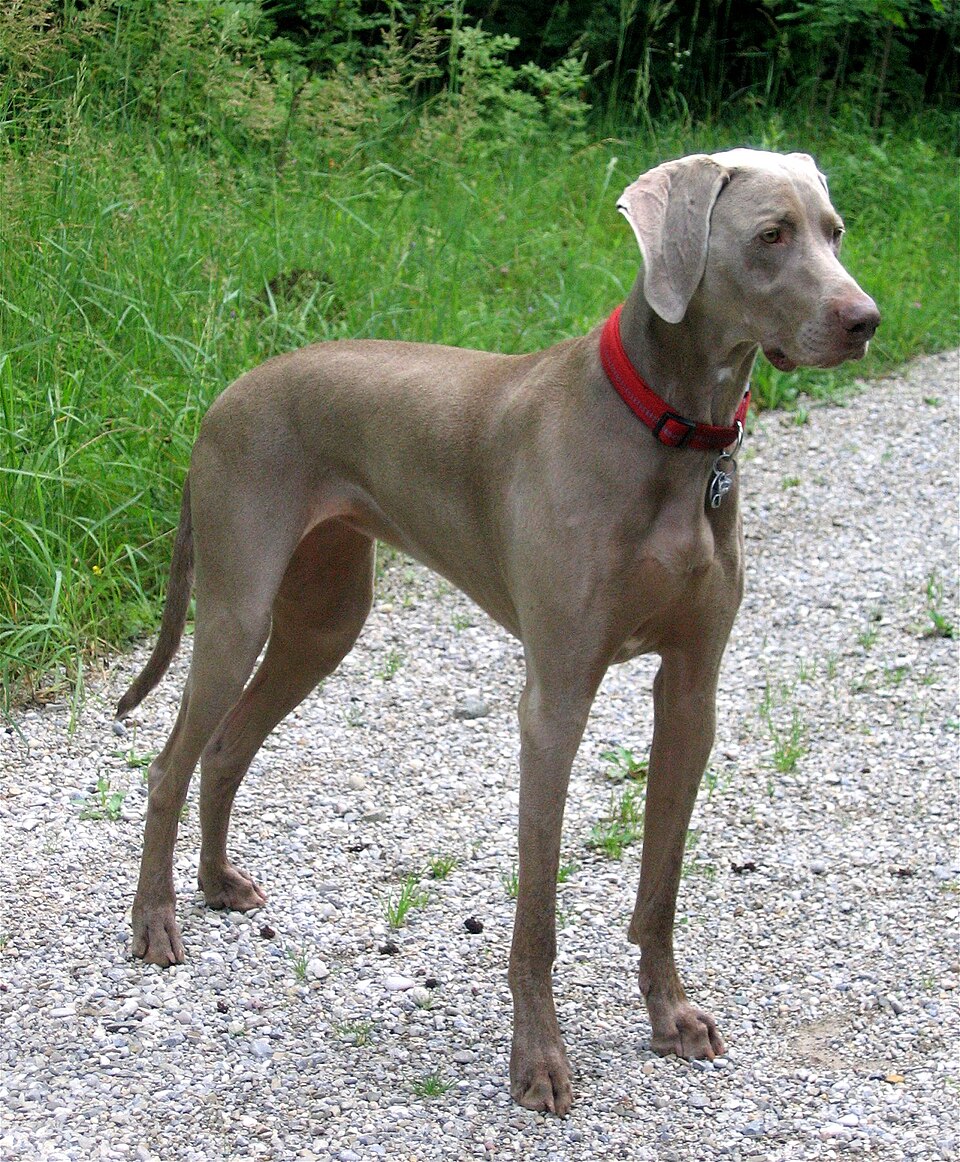
Weimaraners have a single coat (no undercoat) of short, smooth, dense hair. At first glance, it looks like the easiest coat in the world to manage. But single-coated breeds have a unique vulnerability that double-coated breeds don't: their skin is more exposed.
Without the protective buffer of an undercoat, a Weimaraner's skin is more susceptible to:
- Environmental irritants (grass, pollen, chemicals)
- Sun damage
- Abrasions and cuts
- Temperature sensitivity
- Dryness and flaking
Skin Health: The Real Reason Weims Need Professional Grooming
Weimaraners are known in veterinary circles for having sensitive skin. They rank among the top 20 breeds for allergic dermatitis, and their thin, single coat means skin issues are more impactful than on a thicker-coated breed.
Professional grooming addresses skin health in ways home baths can't:
Proper product selection. Weimaraner skin needs gentle, hypoallergenic shampoos that clean without stripping natural oils. Professional groomers use veterinary-grade products formulated for sensitive skin. The $3 bottle from the pet store aisle? That's likely doing more harm than good.
Thorough rinsing. Shampoo residue on a Weimaraner's short coat sits directly against the skin and causes irritation. Professional groomers ensure complete rinse -- something that's harder to achieve in a home bathtub where you're wrestling a 70-pound dog.
Skin examination. This is huge. A groomer's hands cover every inch of your dog's body during a session. They find lumps, bumps, rashes, and hot spots that you'd miss during a casual pat-down. Weimaraners are also predisposed to mast cell tumors -- early detection literally saves lives.
Moisturizing treatments. Weimaraners prone to dry, flaky skin benefit from professional conditioning treatments that restore moisture balance. These products need to be applied correctly and thoroughly -- not just squirted on and rinsed.
Nails: A Weimaraner-Specific Challenge
Weimaraners have a unique nail situation. Their nails are typically dark or black, making the quick (blood vessel inside the nail) invisible. Dark nails are significantly harder to trim safely than light-colored nails because you can't see where the quick ends.
Here's what happens when Weimaraner nails get neglected:
- Long nails force the toes to splay, changing the gait
- Altered gait puts stress on joints and tendons
- Weimaraners are athletic, high-energy dogs -- nail-related gait changes during running can lead to injuries
- Dark nails cut too short bleed profusely and can cause nail bed infections
Ear Care Matters More Than You Think
Weimaraners have long, velvety, pendant ears that fold close to the head. Sound familiar? Like Basset Hounds, those floppy ears create a warm, moist environment that bacteria and yeast love.
Weimaraners are particularly susceptible to ear infections when:
- They swim (and they love swimming)
- Humidity is high
- Ears aren't dried properly after baths
- Wax builds up unchecked
What Professional Weimaraner Grooming Includes
A proper Weimaraner professional grooming session covers:
- Bath with hypoallergenic, skin-sensitive shampoo
- Conditioning treatment for skin moisture
- Complete rinse (no residue)
- Towel and air dry (Weims don't need high-velocity drying, which is one cost advantage of the breed)
- Full-body skin inspection
- Nail trim with dark-nail expertise
- Ear cleaning and drying
- Teeth brushing (dental disease is common in the breed)
- Anal gland check/expression
- Deshedding rub-down with rubber curry tool to remove loose hair
The Shedding Situation
Don't let anyone tell you Weimaraners don't shed. They do. It's short, fine hair that embeds itself in furniture, car seats, and dark clothing with the determination of a thousand tiny needles. Those short hairs are actually harder to remove from fabric than longer fur from shedding breeds like Golden Retrievers.
Professional grooming with rubber curry tools and high-velocity air (even a light pass helps on short coats) removes a surprising amount of loose hair. A single professional deshedding session can buy you 2-3 weeks of reduced shedding at home.
Here's a surprising stat: despite having no undercoat, Weimaraners shed enough hair annually to create noticeable buildup in HVAC filters. If your air filters seem to clog faster after getting a Weim, that's why.
How Often Should Your Weimaraner See a Groomer?
Every 6-8 weeks for a standard grooming session. If your Weimaraner:
- Has skin allergies: every 4-6 weeks with medicated baths
- Swims regularly: ear cleaning every 2-3 weeks
- Is highly active outdoors: every 4-6 weeks for skin checks
- Has dry skin issues: every 4-6 weeks with conditioning treatments
The Cost of Skipping Professional Grooming
Weimaraner grooming is among the most affordable for large breeds -- typically $45-$65 per session. Compare that to:
- Allergic dermatitis treatment: $200-$500
- Ear infection treatment: $100-$250
- Mast cell tumor removal (if caught late): $1,000-$3,000
- Nail bed infection: $150-$300
Your Weimaraner's coat might be the easiest to brush, but their skin, ears, nails, and overall health need professional attention. The "easy coat" breed still needs a groomer who knows what they're looking at.
---
Ready to streamline your grooming workflow? PawOps Board Manager helps salons track every Weimaraner from check-in to pickup with real-time visibility. Start your free 30-day trial →