Understanding Your Welsh Springer Spaniel's Coat: A Complete Guide
Understanding Your Welsh Springer Spaniel's Coat: A Complete Guide
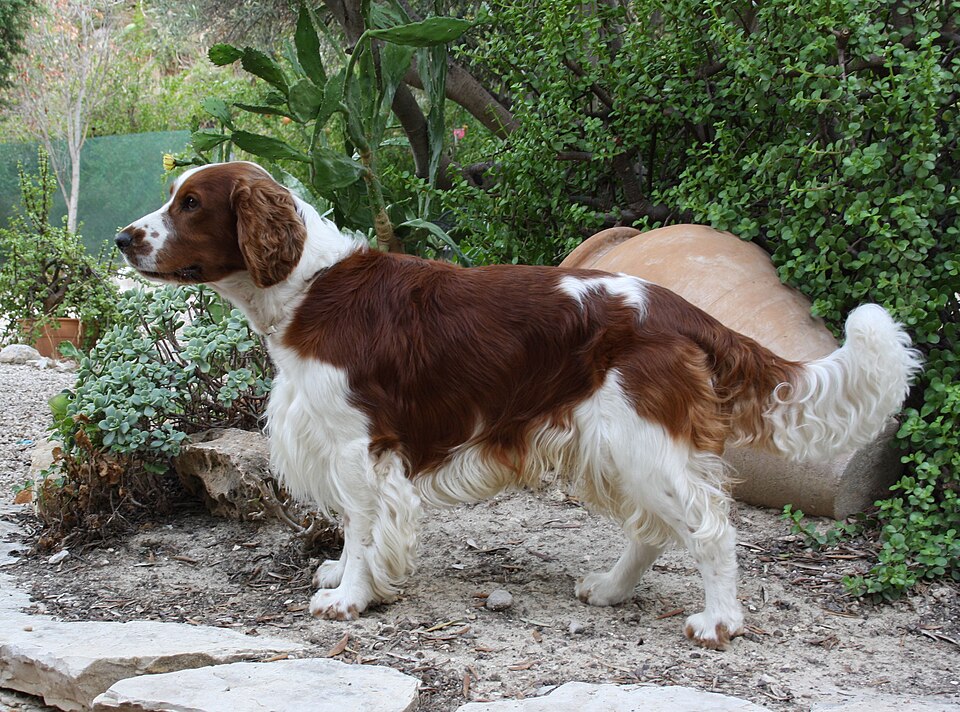
The Welsh Springer Spaniel's coat is a working tool disguised as something beautiful. Every characteristic -- the flat lie, the weather resistance, the protective feathering -- exists because this breed spent centuries working the fields and valleys of Wales in conditions that would wreck a lesser coat. Understanding what your Welsh Springer is wearing helps you care for it properly.
And honestly, knowing why the coat works the way it does makes you appreciate the engineering involved.
The Coat Structure
Topcoat
The Welsh Springer's outer coat is flat, straight, and silky with a natural sheen. It lies close to the body rather than standing off or fluffing. The texture is softer than an English Springer's coat but firmer than a Field Spaniel's. This topcoat is naturally weather-resistant -- it sheds rain and shakes dry relatively quickly.
The flat-lying nature of the coat is a functional trait. A coat that stands off from the body catches on brush and collects debris. A flat coat slides through vegetation, which is exactly what a flushing spaniel needs when working in dense cover.
Undercoat
Beneath the topcoat, Welsh Springers have a moderate undercoat. It is not as dense or plush as what you find on heavy double-coated breeds like Clumbers or Golden Retrievers, but it is substantial enough to provide insulation and to shed seasonally.
The undercoat is finer and softer than the topcoat. It serves as an insulating layer -- keeping the dog warm in cold Welsh winters and, interestingly, providing some protection from heat by creating an air layer against the skin. This is why shaving a Welsh Springer in summer is counterproductive -- you remove the insulation system that helps regulate body temperature.
Feathering
The breed's feathering is one of its most distinctive features. Welsh Springers carry moderate to heavy feathering on:
- Ears: Long, silky ear feathering that is finer than the body coat
- Chest: A moderate ruff of slightly longer hair
- Belly: Softer, longer hair along the underside
- Backs of the legs: Feathering from the upper thigh to the hock
- Feet: Fur between and around the toes
- Tail: Moderate feathering on the underside
Color: Only Red and White
Every Welsh Springer Spaniel is red and white. This is the only acceptable color pattern for the breed -- no liver, no black, no tri-color. The red can range from a deep, rich mahogany to a lighter golden red, and intensity can shift slightly with the seasons. Some Welsh Springers develop slightly darker red coloring in their winter coat.
The white areas of the coat are a grooming reality check. White fur shows everything: food stains around the mouth, tear staining under the eyes, dirt from digging, grass stains on the belly. Keeping the white areas clean between grooming appointments requires attention.
Here is a detail that breeders know but pet owners often do not: the red areas of the coat and the white areas actually have slightly different textures. The red hair tends to be a bit coarser and denser than the white, which is finer and softer. This means the white areas may mat slightly more easily and show damage from rough brushing more readily.
Shedding Patterns
Welsh Springer Spaniels shed moderately year-round with two heavier periods:
| Season | Shedding Level | What Is Happening | |--------|---------------|-------------------| | Spring (March-May) | Heavy | Winter undercoat shedding out, lighter coat growing in | | Summer | Light to moderate | Minimal undercoat, steady topcoat turnover | | Fall (September-November) | Moderate to heavy | Summer coat shedding, winter undercoat growing in | | Winter | Light to moderate | Full undercoat in place, minimal shedding |
Compared to English Springer Spaniels, Welsh Springers generally shed somewhat less due to their slightly lighter undercoat. However, the difference is modest -- both breeds require regular brushing and professional deshedding.
A veterinary dermatology study found that moderate double-coated breeds shed approximately 40-50% of their undercoat volume during seasonal transitions, compared to 60%+ for heavy double-coated breeds. Welsh Springers fall into the moderate category.
The Coat Through Your Dog's Life
Puppy coat (birth to ~10 months): Soft, relatively short, and manageable. Light feathering begins developing around four to six months. This is the honeymoon period for grooming -- enjoy it while it lasts.
Adolescent transition (10-18 months): The adult coat grows in and the puppy coat sheds. Feathering lengthens noticeably. The coat texture shifts from soft and fluffy to flat and silky. During this transition, expect increased tangling as the two coat types mix.
Young adult (18 months - 3 years): Full coat development. Feathering reaches maximum length and density. The coat settles into its adult texture and shedding pattern. This is when you will know exactly what grooming routine your specific dog needs.
Mature adult (3-8 years): Coat is stable and predictable. Regular maintenance keeps it in excellent condition.
Senior (8+ years): Some dogs develop drier, thinner coats. Feathering may thin slightly. Skin may become more sensitive. Adjusting to gentler grooming products and techniques helps maintain comfort.
A Surprising Coat Fact
Something most Welsh Springer owners discover the hard way: the breed's coat has an almost magnetic attraction to burrs and plant seeds. The slightly rough texture of the topcoat combined with the fine feathering creates a surface that catches and holds vegetative debris with remarkable efficiency. After a walk through tall grass or brush, you may find dozens of seeds embedded in the feathering, especially on the ears, chest, and legs. Removing them immediately is important -- left overnight, seeds work deeper into the coat and some (like foxtail grass seeds) can actually burrow through the skin. A quick post-walk inspection of the feathered areas takes five minutes and prevents hours of detangling later.
Common Coat Issues
Feathering Mats
The number one coat issue in Welsh Springers. Behind the ears, under the front legs, and between the hind legs are the primary trouble spots. Check these areas with a steel comb every other day.
Staining on White Areas
Tear staining, food staining, and saliva staining on the white facial and chest hair is cosmetically annoying. Regular wiping with a damp cloth and using a stain-prevention supplement can help. Some Welsh Springers are more prone to tear staining than others.
Ear Infections
The combination of pendant ears, heavy feathering, and a dog that often loves water creates prime conditions for ear infections. Prevention through regular cleaning and feathering management around the ear canal is far more effective and cheaper than treatment.
Seasonal Dry Skin
Winter indoor heating can dry out the coat and skin. Signs include dandruff-like flaking and a coat that lacks its usual sheen. A humidifier, omega fatty acid supplements, and moisturizing shampoo at grooming appointments all help.
Home Care Essentials
Your toolkit:
- Slicker brush: Primary tool for body coat and feathering
- Steel comb: For checking feathered areas after brushing
- Undercoat rake: During shedding season
- Detangling spray: Apply before brushing to protect the silky coat
- Ear cleaning solution: Weekly maintenance
- Damp cloth or grooming wipes: For white area cleanup
A Practical Weekly Routine
Three to four times per week (15-20 minutes):
Weekly:
- Clean ears with veterinary solution
- Wipe white facial and chest areas
- Check paw pads for debris
PawOps helps grooming salons assess sporting breed coats with condition-based scoring, so your Welsh Springer Spaniel receives the specific care their coat condition warrants -- not a generic approach.
Related Reading: