Why Your Welsh Springer Spaniel Needs Professional Grooming (Beyond the Basics)
Why Your Welsh Springer Spaniel Needs Professional Grooming (Beyond the Basics)
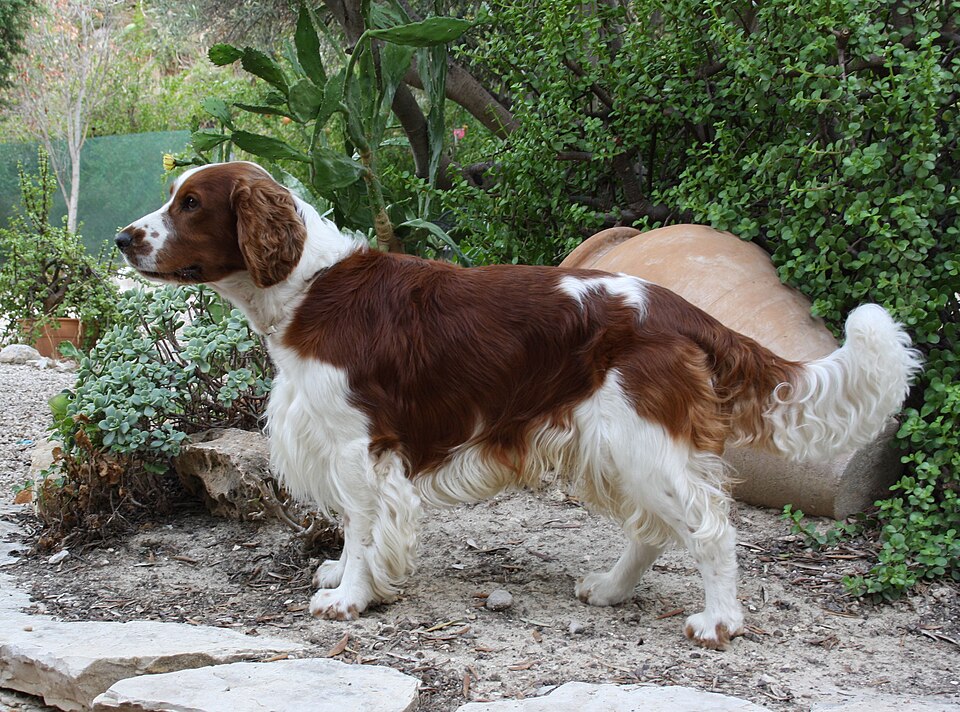
Welsh Springer Spaniels are the redheads of the spaniel family -- literally. That gorgeous red and white coat with its flat, silky texture and lush feathering is one of the breed's most recognizable features. It is also one of the primary reasons a regular relationship with a professional groomer is not optional.
Welsh Springers sit in an interesting grooming middle ground. They are not as high-maintenance as some show spaniels, but they are absolutely not wash-and-go dogs. Their coat has specific needs that, when met, keep your dog comfortable, healthy, and looking like the stunning breed they are.
The Welsh Springer Coat: What You Are Working With
Welsh Springer Spaniels have a flat, naturally straight, silky coat that is soft but not as fine as a Field Spaniel's. The body coat lies close and is weather-resistant -- these dogs were bred to work in the rugged Welsh countryside in all conditions. Beneath the topcoat sits a moderate undercoat that provides insulation without being as dense as a Clumber's or an English Springer's.
The breed's hallmark feathering grows on the ears, chest, belly, backs of the legs, and feet. This feathering is finer and softer than the body coat, which makes it particularly prone to tangling.
All Welsh Springers are red and white, with the red ranging from a deep, rich auburn to a lighter golden red. That white coat shows everything -- dirt, staining, and coat condition are all immediately visible.
Why a Professional Groomer Makes the Difference
Feathering That Needs Expert Hands
Welsh Springer feathering is abundant and fine-textured. It mats in the usual spaniel trouble spots -- behind the ears, under the legs, along the belly, and between the toes. What makes it particularly challenging is the combination of fine texture with moderate density. The feathering tangles quickly but is delicate enough that aggressive brushing causes breakage.
Professional groomers use the right combination of technique and tools -- detangling spray, slicker brushes used with correct pressure, and thinning shears for shaping -- to maintain feathering without damaging it. They also trim the feathering to a functional, attractive length that reduces matting between visits.
Undercoat Management
Welsh Springers have a moderate undercoat that thickens in winter and sheds in spring. It is not the blizzard-level shedding of a Clumber, but it is enough to create problems if ignored. Dead undercoat that stays packed against the skin traps heat and moisture, setting the stage for skin irritation.
Professional high-velocity drying removes loose undercoat thoroughly in a way that home brushing simply cannot match. During spring shedding, this service alone is worth the grooming appointment.
Ear Care for a Breed That Needs It
Like all pendant-eared spaniels, Welsh Springers are predisposed to ear infections. Their ears are moderately long with heavy feathering that restricts airflow to the ear canal. The AKC breed health statement notes that ear infections are among the most common health issues reported in the breed.
Professional groomers clean the ear canal, remove excess hair around the ear opening, and check for early warning signs. Catching an ear issue at the "slightly pink" stage costs nothing extra. Use our free pricing calculator → Catching it at the "full infection" stage costs $150 to $300 at the vet.
Skin Health Beneath a Weather-Resistant Coat
The Welsh Springer's coat was designed to shed water and protect against brush. That weather resistance means the coat also conceals what is happening at skin level. Hot spots, allergic reactions, and parasite activity can develop under cover. During professional grooming, the coat gets parted systematically and the skin gets examined -- a health check that happens incidentally during every appointment.
Foot and Nail Maintenance
Welsh Springers grow fur between their toes that collects debris, mud, and moisture. This matted paw hair causes the dog to splay their feet and lose traction on smooth surfaces. Groomers trim this fur flush with the pads and clean out accumulated grime.
At 35 to 55 pounds, Welsh Springers are active, athletic dogs. Proper nail length is essential for the running, jumping, and field work many of these dogs do.
The Consequences of Skipping Grooming
When Welsh Springer grooming gets delayed:
- Feathering mats become established. What starts as a small tangle behind the ear becomes a tight mat in a few days. Once against the skin, it pulls painfully with every head turn.
- Shedding goes rogue. Without professional undercoat removal, dead fur sheds chaotically throughout your home. You will find it everywhere.
- Ear problems develop. Veterinary data shows that spaniel ear infections treated early cost $100 to $200. Chronic or severe infections requiring extended treatment can reach $500.
- Coat loses its character. The Welsh Springer's coat should be flat and silky with a natural sheen. Neglected coats become dull, rough, and lifeless.
- Paw problems compound. Matted foot fur plus overgrown nails equal an uncomfortable, unsteady dog.
Recommended Grooming Schedule
Welsh Springer Spaniels do well on a five to seven week cycle:
| Activity Level | Recommended Frequency | Focus | |---------------|----------------------|-------| | House pet, moderate exercise | Every 6-7 weeks | Standard feathering trim, ear care, coat maintenance | | Active outdoor dog, hiking, swimming | Every 5-6 weeks | More frequent ear cleaning, debris removal, coat conditioning | | Field work or hunting | Every 4-5 weeks | Full maintenance plus foot care, possible repairs from brush contact | | Spring shedding season | Every 4-5 weeks | Heavy deshedding, undercoat removal |
Between visits, brush three to four times per week. Run a steel comb through all feathered areas after each session.
Home Brushing Tips Specific to Welsh Springers
A few things that matter for this breed specifically:
- Never brush the coat dry. The silky texture is prone to static and breakage when dry. A light mist of detangling spray before brushing protects the hair.
- Pay special attention to the chest feathering. Welsh Springers carry a moderate chest ruff that tangles where a collar or harness sits. Remove the collar during brushing and check this area thoroughly.
- The white areas stain. If your dog drools, tears, or eats messy food, the white facial and chest hair will show it. A damp cloth wipe-down after meals helps prevent staining.
- Dry the ears after water exposure. After swimming, rain, or baths, towel-dry inside the ear flaps and use an ear drying solution. This simple habit prevents a shocking number of ear infections.
Finding the Right Groomer
Welsh Springers are uncommon enough that breed-specific experience is rare. Look for a groomer experienced with:
- English Springer Spaniels -- the closest relative with a similar coat type
- Sporting breed feathering management
- Hand-scissoring versus relying entirely on clippers
- Spaniel ear maintenance
An Interesting Fact About the Welsh Springer Coat
Here is a detail that most owners do not know: the Welsh Springer Spaniel's coat is genuinely weatherproof. The outer coat has a natural water resistance that was essential for working in Welsh rain and crossing cold streams. This is not marketing language -- the coat structure actually sheds water. According to breed historians, Welsh Springers could work all day in heavy rain without the coat becoming waterlogged, unlike many other sporting breeds. In a grooming context, this means bath time requires a bit more effort to saturate the coat fully. Groomers working with Welsh Springers typically use a diluted shampoo solution and spend extra time working it through the weather-resistant outer layer.
PawOps helps grooming salons assess sporting breed coats using condition scoring and difficulty analysis, so your Welsh Springer Spaniel gets the right amount of time and the right approach every visit.
Related Reading: