Understanding Your Welsh Terrier's Coat: What Every Owner Should Know
Understanding Your Welsh Terrier's Coat: What Every Owner Should Know
The Welsh Terrier's coat is one of the most visually striking in the terrier group -- that sharp black-and-tan jacket instantly identifies the breed from across a park. But there is a lot more going on with that coat than its good looks. Understanding how it works, what it needs, and why it behaves the way it does makes the difference between a healthy, comfortable Welsh Terrier and one with chronic coat problems.
The Architecture of a Welsh Terrier Coat
Welsh Terriers carry a double coat with two layers that serve distinct purposes.
The Wire Outer Coat
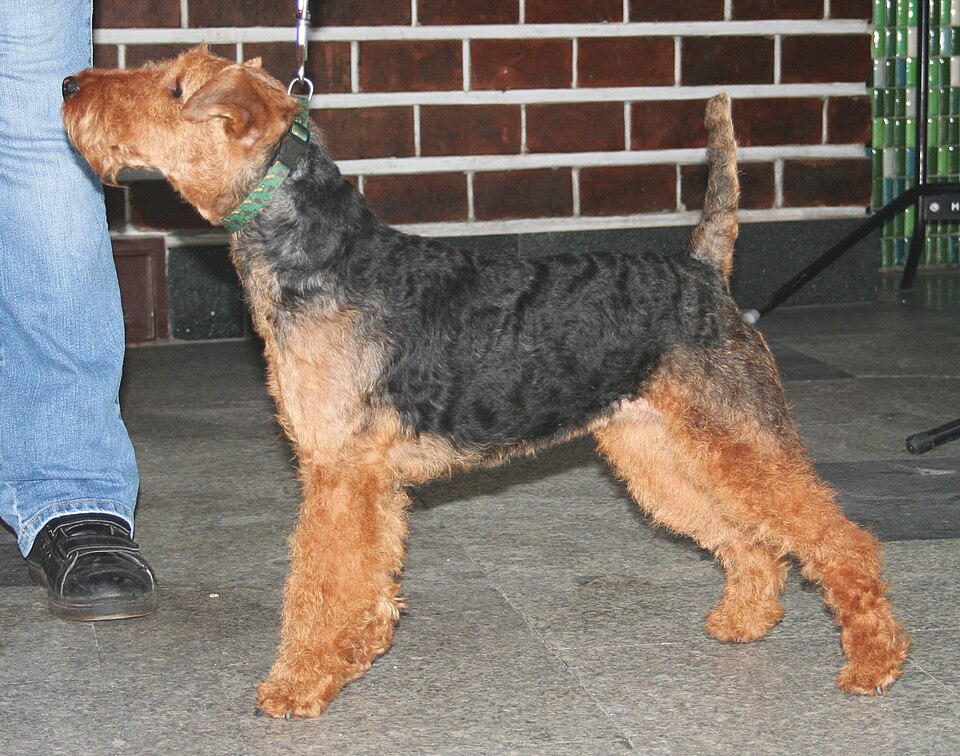
The outer coat is hard, dense, and wiry -- the signature feel of a terrier coat done right. Each guard hair is coarser and thicker than what you would find on a soft-coated breed. This is by design. Welsh Terriers were bred to hunt in Welsh terrain where water, brambles, and rough rock were part of a normal day's work. The wire coat repels water, sheds dirt, and resists minor abrasions.
The wire hairs grow to a predetermined length, die, and remain in the follicle. They do not shed out the way a Lab's coat does. This is why Welsh Terriers are considered low-shedding -- the dead hairs just stay put. It is also why they need regular stripping or clipping to remove that dead coat manually.
The Undercoat
Beneath the wire exterior sits a short, soft undercoat. This is the thermal regulation layer -- it keeps the dog warm when it is cold and helps buffer heat when it is warm. The undercoat does shed lightly, particularly during spring and fall, but in amounts that most owners find very manageable compared to heavy-shedding breeds.
The undercoat serves another purpose that often gets overlooked: it adds volume. The soft undercoat lifts the wire outer coat slightly away from the skin, creating the dense, furnished look that makes Welsh Terriers appear sturdier than their 20-pound frame might suggest.
The Black-and-Tan Pattern
The Welsh Terrier's color pattern is one of its most defining features, and it has some interesting properties.
How the Pattern Works
Welsh Terriers have a black or grizzle (dark gray) saddle covering the back, sides, neck, and tail. The legs, head, underbody, and underside of the tail are tan, ranging from a warm reddish-tan to a brighter, clearer tan. The transition between dark and light areas creates the "jacketed" look.
This pattern is produced by a combination of genes that control where dark pigment (eumelanin) and light pigment (pheomelanin) are expressed across the body. It is similar to the pattern seen in Airedale Terriers, which is not coincidental -- the Welsh Terrier is thought to be one of the Airedale's ancestral breeds.
Color and Coat Texture Are Connected
Here is something that trips up a lot of Welsh Terrier owners: the richness of the color pattern depends partly on coat maintenance method. The black saddle appears deepest and most vibrant in a hand-stripped coat because stripping removes the entire dead hair from the root, allowing fresh wire hairs with full pigmentation to grow in.
Clipping cuts the hair at one point along the shaft. Over time, the remaining hair stub gets pushed out by new growth, but the new hair may be slightly softer and lighter. After multiple clipping cycles, the black saddle can appear more grayish or washed out, and the contrast between dark and tan areas diminishes.
This does not mean clipping is wrong -- many lovely pet Welsh Terriers are maintained with clippers. But if the color pattern matters to you, incorporating hand-stripping into your grooming routine helps preserve it.
Coat Changes Through Life
The Puppy Phase
Welsh Terrier puppies are born nearly all black. The tan gradually appears over the first few months, spreading from the lower legs and face. The puppy coat is soft -- nothing like the wire adult coat -- and quite easy to manage.
Do not be fooled by this. The easy puppy coat is temporary.
The Transition Period (6-14 Months)
As the adult wire coat grows in, it collides with the outgoing puppy coat. This overlap creates a period of maximum tangling and maintenance difficulty. The coat may look scruffy, uneven, and generally unkempt during the transition regardless of how much you brush.
This is the most important time to start professional grooming if you have not already. The first stripping session during the coat transition helps the adult wire coat establish correctly. According to Welsh Terrier breed club grooming guides, dogs that are not professionally groomed during the coat transition often develop a permanently softer coat texture than dogs that were stripped during this critical period.
Adult Coat (14+ Months)
Once the transition is complete, the adult wire coat is established. It should feel hard, dense, and springy. The black-and-tan pattern is fully visible and the coat lies close to the body. From this point, regular maintenance stripping or clipping keeps the coat in good condition.
Aging Changes (8+ Years)
Older Welsh Terriers may show graying on the muzzle and around the eyes. The wire texture can soften slightly with age, and some senior dogs develop a less dense undercoat. These changes are normal and cosmetic. Grooming frequency and method do not typically need to change.
The Furnishings Are a Different Coat
The longer hair on the Welsh Terrier's legs, face, and underbody has a different texture than the body coat. It is softer, finer, and more prone to tangling. Understanding this distinction is key to proper home care.
- Beard: Softer than body coat, absorbs moisture and food. Needs daily wiping and regular combing.
- Eyebrows: Frame the eyes and contribute to the breed's alert expression. Grow continuously and need periodic trimming.
- Leg furnishings: The tan leg hair tangles readily, especially in the armpits, behind the elbows, and on the rear legs. Twice-weekly combing minimum.
Something Most Welsh Terrier Owners Discover Too Late
The Welsh Terrier's fold ears create a warm, dark, slightly moist environment that is ideal for bacterial and yeast growth. Combined with the fact that some Welsh Terriers grow hair inside the ear canal, this makes ear infections a genuine breed concern.
Data from veterinary dermatology practices indicates that terrier breeds with fold ears experience recurrent otitis (ear infections) at approximately 2.5 times the rate of prick-eared breeds. Regular ear cleaning during grooming -- and between appointments if your dog is prone -- is not optional. It is preventive healthcare.
Home Care Between Professional Visits
Your maintenance routine should include:
- Daily: Beard wipe after meals and water. Quick visual check of ears.
- Twice weekly: Full brush with slicker brush. Comb through all furnishings with a steel comb. Check for mats behind ears, in armpits, and on rear legs.
- Weekly: Ear cleaning if your dog is prone to buildup. Check nail length.
- As needed: Spot-clean beard stains. Remove debris from paw pads.
Coat Care Tools
- Slicker brush -- daily maintenance
- Steel comb (medium) -- checking for hidden mats in furnishings
- Stripping knife -- for owners who learn basic maintenance stripping
- Undercoat rake -- seasonal undercoat removal
- Ear cleaning solution -- for routine ear maintenance
- Beard wipes -- for daily facial hygiene