Why Your Welsh Terrier Needs Professional Grooming (That Black-and-Tan Coat Will Not Maintain Itself)
Why Your Welsh Terrier Needs Professional Grooming (That Black-and-Tan Coat Will Not Maintain Itself)
The Welsh Terrier is a handsome, sturdy little dog with one of the most recognizable color patterns in the terrier group -- that classic black-and-tan jacket that makes them look permanently dressed for an occasion. But maintaining that look, and more importantly maintaining the coat health underneath it, requires professional grooming on a regular schedule.
If you think a Welsh Terrier's coat is wash-and-wear, you are in for a surprise.
The Welsh Terrier Coat: Built for Welsh Weather
Welsh Terriers were developed in Wales (no surprise there) for hunting foxes, badgers, and otters in rough terrain. Their coat reflects that heritage: a hard, wiry outer coat over a short, soft undercoat. The wire exterior was designed to resist water, shed dirt, and protect the dog from bites and brambles during hunts.
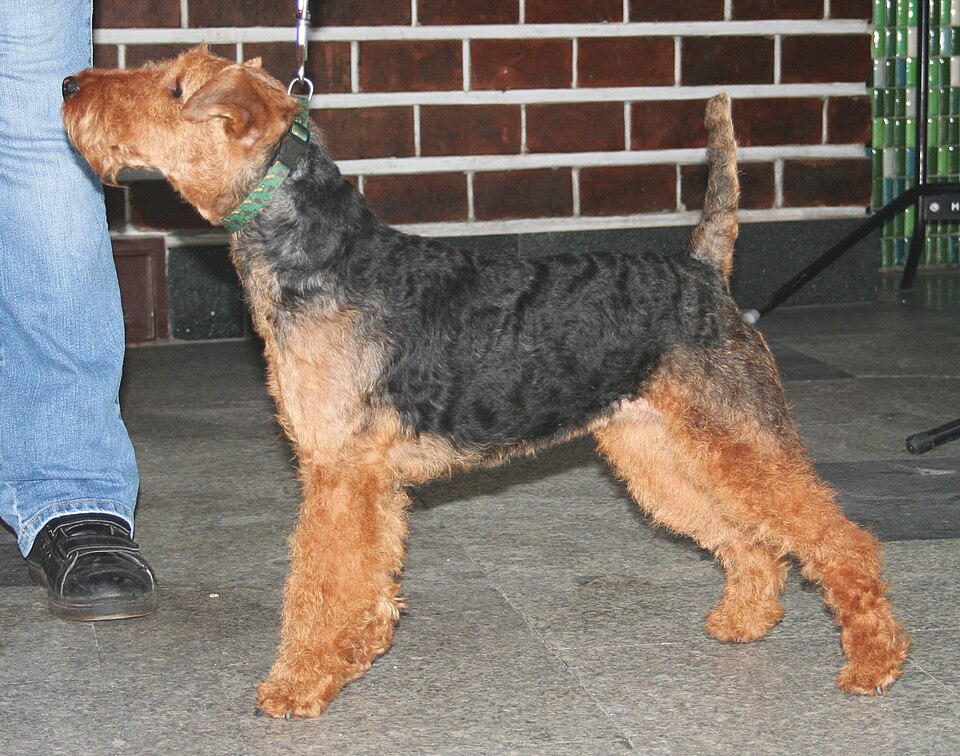
The color pattern is equally deliberate. The black (or grizzle) saddle on the back and sides with tan on the legs, head, and underbody is a hallmark of the breed. This pattern is genetically coded into the wire hair structure, and it displays best when the coat is properly maintained through stripping.
Why DIY Is Not Enough
Here is the fundamental challenge with Welsh Terrier coats: the dead outer hairs do not fall out on their own. Unlike shedding breeds where the hair cycle naturally pushes old hair out and new hair in, wire-coated breeds retain dead hairs in the follicle. They just sit there, getting softer, losing color, and eventually matting into the undercoat.
A professional groomer removes this dead coat through one of two methods:
Hand-Stripping
The traditional method. Dead wire hairs are pulled from the root by hand or with a stripping knife. This stimulates fresh wire growth, preserves the hard texture, and maintains the rich black-and-tan color contrast. The AKC breed standard calls for a coat that is "hard, very close and abundant" -- hand-stripping is the primary way to achieve and maintain that standard.
Clipping
Faster and less expensive, clipping cuts the hair at shaft level. It is a practical option for pet Welsh Terriers, though over time it softens the coat texture and can fade the contrast between the black saddle and tan areas. Many Welsh Terrier owners alternate between stripping and clipping -- stripping a couple of times a year with clipping visits in between.
What Happens During a Professional Welsh Terrier Groom
A full grooming session for a Welsh Terrier covers a lot of ground:
- Body coat maintenance -- stripping or clipping the body, maintaining the saddle pattern
- Color line maintenance -- blending the transition between the dark saddle and lighter tan areas
- Head shaping -- Welsh Terriers have a rectangular head with a flat skull that requires specific scissor technique
- Beard and eyebrow trimming -- maintaining the breed's characteristic facial expression
- Leg furnishing care -- the tan leg hair needs combing, detangling, and shaping
- Undercoat removal -- raking out loose undercoat, especially during seasonal transitions
- Ear cleaning -- Welsh Terriers have V-shaped fold ears that can trap moisture and debris
- Nail trimming -- active terriers still need regular nail maintenance
- Sanitary trim -- belly and rear hygiene
The Consequences of Skipping the Groomer
Welsh Terrier coats do not forgive neglect:
- The black-and-tan pattern fades. Without stripping, new growth pushes through old coat and the color demarcation gets muddy. What was once a crisp black saddle over bright tan becomes a washed-out gray-brown mess.
- Matting builds in the furnishings. The tan leg hair and beard are softer than the body coat and mat readily. Mats in the armpits and between the hind legs cause discomfort and skin irritation.
- The coat loses its function. A soft, overgrown Welsh Terrier coat is neither water-resistant nor dirt-resistant. The dog gets wetter, stays dirtier, and develops that musty "doggy smell" much faster.
- Ear problems develop. The fold ears trap warmth and moisture. Without regular cleaning during grooming visits, yeast and bacterial ear infections become common. Research from the Royal Veterinary College found that terrier breeds with fold ears are approximately 2.5 times more likely to develop otitis externa compared to prick-eared breeds.
How Often Should a Welsh Terrier Be Professionally Groomed
| Method | Frequency | Home Maintenance | |--------|-----------|------------------| | Hand-stripping | Every 6-8 weeks | Weekly brushing, daily beard wipe | | Clipping | Every 5-7 weeks | Twice-weekly brushing, daily beard wipe | | Combination (strip 2x/year, clip between) | Every 6-8 weeks | Weekly brushing, daily beard wipe |
The combination approach is popular among pet Welsh Terrier owners. It maintains reasonable coat texture and color while keeping costs down. Use our free pricing calculator →
Finding a Welsh Terrier-Savvy Groomer
Welsh Terriers are more popular than some terrier breeds but still uncommon enough that not every groomer has regular experience with them. Good signs to look for:
- Experience with wire-coated breeds in the terrier group
- Understanding of the saddle pattern and color line blending
- Ability to shape the rectangular head correctly
- Familiarity with fold-ear cleaning techniques
- Willingness to discuss stripping vs. clipping options
The Bigger Picture
Grooming a Welsh Terrier is not about making your dog look fancy. It is about maintaining a functional coat system that protects the skin, regulates temperature, and keeps the dog comfortable. The wire coat is an engineering achievement of selective breeding, and it requires corresponding maintenance to keep performing.
Your Welsh Terrier's ancestors hunted through Welsh hillsides in every kind of weather. Their coat made that possible. Your groomer keeps that coat doing its job -- even if the hardest terrain your dog navigates these days is the backyard.
PawOps helps grooming salons assess wire-coated terrier breeds using condition scoring and breed-specific coat profiles -- so your Welsh Terrier gets the right care at the right price, every visit.