Why Your Westie Needs Professional Grooming (That White Coat Won't Stay White Alone)
Why Your Westie Needs Professional Grooming (That White Coat Won't Stay White Alone)
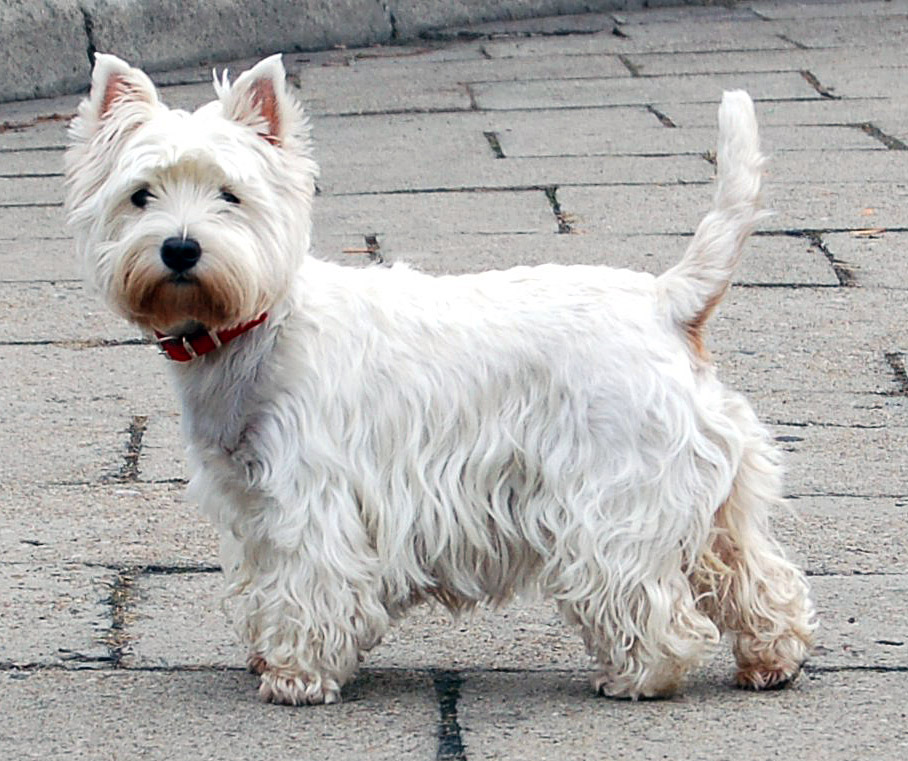
The West Highland White Terrier -- the Westie -- is a compact powerhouse of personality wrapped in a bright white double coat. That coat is iconic, instantly recognizable, and absolutely requires professional grooming to stay healthy and looking its best.
A Westie without professional grooming doesn't just look scruffy. They develop skin problems, coat texture issues, and health concerns that go well beyond aesthetics.
The Westie Coat: Tough on the Outside, Soft on the Inside
Westies have a distinctive double coat designed for the Scottish Highlands:
Outer coat: Hard, wiry, straight guard hairs about 2 inches long. This harsh texture is functional -- it repels dirt and water, protects against thorns and brush, and gives the Westie its characteristic rough-and-ready appearance.
Undercoat: Soft, dense, close-fitting fur that provides insulation.
This combination creates a weather-resistant, dirt-resistant, surprisingly functional coat for a dog originally bred to hunt rats and foxes in rocky terrain.
West Highland White Terrier professional grooming is essential because the coat has specific maintenance requirements that differ from most other breeds. The wiry outer coat doesn't shed naturally the way soft coats do -- dead hairs stay in the follicle until they're manually removed through a process called hand-stripping.
Hand-Stripping vs. Clipping: The Great Westie Debate
This is the biggest grooming decision Westie owners face, and it genuinely matters:
Hand-Stripping
The traditional grooming method where dead outer coat hairs are pulled from the follicle by hand (using fingers or a stripping knife). Benefits:- Maintains the proper wiry texture
- Preserves the coat's dirt and water resistance
- Promotes healthy hair growth from the follicle
- Keeps the coat's natural layered structure intact
- Required for show dogs
Clipping
Using electric clippers to cut the coat short. Effects:- Faster and less expensive per session
- Changes coat texture over time -- wiry coat becomes softer
- Soft coat mats more easily and loses its dirt-resistant properties
- Once clipped repeatedly, reverting to proper wiry texture is extremely difficult
Most pet Westies are clipped because hand-stripping is more expensive and time-consuming. This is a valid choice, but owners should understand the trade-off: convenience now, softer coat later.
Why That White Coat Needs Professional Attention
Keeping a white dog white is a challenge that goes beyond bathing:
Tear staining: Dark reddish-brown streaks below the eyes are common in Westies. Professional groomers use specialized treatments and trimming techniques to minimize their appearance.
Beard staining: The hair around a Westie's muzzle picks up food, water, and drool stains. Regular professional cleaning and trimming keeps the beard white and fresh.
Belly and leg staining: Contact with grass, dirt, and urine can discolor the white coat. Professional whitening shampoos and treatments address staining that home baths can't.
Skin showing through: On a white dog, any skin irritation, redness, or discoloration is more visible. Professional grooming includes thorough skin inspection that's especially important for this breed.
Westie Skin Health: A Breed-Specific Concern
Westies are notorious in the veterinary world for skin problems. The breed has a significantly higher incidence of:
- Atopic dermatitis: Westies are one of the breeds most predisposed to environmental allergies. Studies suggest that up to 25% of Westies develop atopic dermatitis.
- Epidermal dysplasia (Westie Armadillo Disease): A breed-specific condition causing chronic, severe skin disease
- Malassezia dermatitis: Yeast overgrowth on the skin, causing itching and odor
- Seborrhea: Excessive oil or dryness on the skin
What a Professional Westie Grooming Session Includes
Hand-Stripped Grooming
Clipped Grooming
Grooming Frequency
- Hand-stripped: Every 6-8 weeks (some show owners strip on a rolling schedule more frequently)
- Clipped: Every 4-6 weeks
- Between visits: Weekly brushing with a slicker brush and comb, daily face and beard wiping
Finding a Groomer for Your Westie
Look for:
- Terrier experience: Westies have specific coat and body shape requirements
- Hand-stripping skills (if you choose this route): Not all groomers offer hand-stripping
- Skin awareness: Given Westie skin sensitivity, your groomer should use gentle products and flag any concerns
- Breed-appropriate shaping: A well-groomed Westie has a distinct silhouette -- rounded head, clean body lines, and defined leg furnishings
FAQ
How often should a Westie be professionally groomed?
Every 4-6 weeks for clipped coats, every 6-8 weeks for hand-stripped coats. Weekly home brushing between appointments is essential.Should my Westie be hand-stripped or clipped?
Hand-stripping maintains the proper wiry coat texture and is required for show dogs. Clipping is faster, cheaper, and perfectly fine for pet Westies, but it changes coat texture over time. Discuss both options with your groomer.Why does my Westie's white coat look yellow or stained?
Tear staining, food residue on the beard, contact with grass and dirt, and even drinking water with high mineral content can discolor a white coat. Professional whitening treatments and regular home maintenance (daily face wiping, filtered water) help.Are Westies prone to skin problems?
Yes, significantly. West Highland White Terriers have one of the highest rates of atopic dermatitis among all breeds. Regular professional grooming with gentle products and consistent skin monitoring is especially important.Can I groom my Westie at home?
Basic maintenance like brushing, face wiping, and ear checks can be done at home. But coat shaping, hand-stripping, and thorough skin inspection are best handled by a professional groomer with terrier experience.---
Ready to streamline your grooming workflow? PawOps Board Manager helps salons track every West Highland White Terrier from check-in to pickup with real-time visibility. Start your free 30-day trial →