Why Your Whippet Needs Professional Grooming (Short Coat, Real Needs)
Why Your Whippet Needs Professional Grooming (Short Coat, Real Needs)
Whippets fall into a category that groomers call "deceptively simple." The coat is short, smooth, and sleek. Shedding is light. There is no fluff, no curls, no layers to manage. On paper, the Whippet looks like the easiest grooming client on the schedule.
But talk to groomers who actually work with sighthounds regularly, and you will hear a different story. Whippet grooming is not about the coat. It is about the skin, the nails, the teeth, and the overall wellness assessment that this breed benefits from on a regular schedule.
The Whippet Coat: Easy Does Not Mean Unnecessary
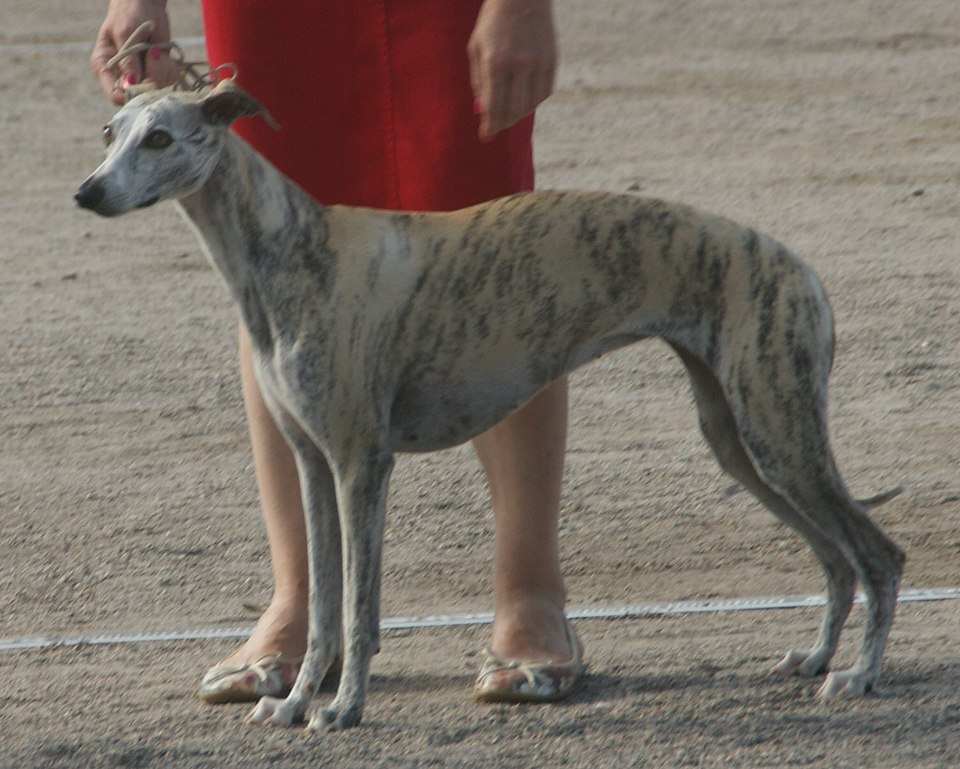
The Whippet has a short, dense, single-layer coat. No undercoat. The hair lies tight against the body and feels smooth to the touch. Shedding happens year-round at a low level -- you will find the occasional fine hair on furniture but nothing resembling the fur avalanche of a Golden Retriever.
So why does this dog need a groomer?
Because the coat is only one part of the picture, and frankly, it is the least important part. Here is what actually matters.
Nail Care: The Top Priority for Every Whippet
Whippets are built for speed. Their legs are long, lean, and designed for explosive acceleration. The musculoskeletal system is finely tuned -- and that means the feet need to be in perfect condition.
Overgrown nails on a Whippet are a biomechanical problem, not just a cosmetic one. When nails extend past the pad, they change the angle at which the foot contacts the ground. This shifts stress up through the pasterns, wrists, and into the shoulders. For a dog built like a Whippet -- all speed and no padding -- this misalignment puts genuine strain on joints and connective tissue.
The Whippet Club of America notes that orthopedic soundness is a breed priority, and proper foot care is part of maintaining it. Professional nail trimming every three to four weeks keeps the nails at the correct length and prevents the quick from extending, which makes future trims easier.
Many Whippet owners find that nail grinding works better than clipping for this breed. The smooth, rounded finish from grinding reduces the chance of snags and splits, and most Whippets tolerate the grinder better than the sharp snap of clippers.
Skin Health: What Hides Under That Sleek Coat
The Whippet's thin coat means the skin does a lot of heavy lifting as the body's primary barrier. And Whippet skin has its own characteristics worth understanding.
Thin and Prone to Nicks
Whippet skin is thinner than average. During play, running through brush, or even enthusiastic scratching, Whippets can sustain small cuts and abrasions that thicker-skinned breeds shrug off. A groomer doing a bath and skin check catches these minor injuries early, before they become infected.
Sensitive to Products
Because the skin is thin and the coat provides minimal buffering, Whippets can react to harsh shampoos, fragrances, and grooming products that other breeds tolerate without issue. Professional groomers experienced with sighthounds use gentle, hypoallergenic products and avoid anything heavily scented.
Prone to Dry Skin
Whippets in heated homes during winter or in arid climates frequently develop dry, flaky skin. The coat does not trap enough natural oils to keep the skin moisturized on its own. A grooming session with a moisturizing bath and light conditioner treatment addresses this effectively.
Pressure Sores and Calluses
Whippets have minimal body fat and bony prominences at the elbows, hips, and chest. Lying on hard surfaces creates calluses and, in some cases, pressure sores called hygromas. A groomer monitors these areas and can recommend treatment or alert you if they are worsening. According to veterinary orthopedic research, sighthound breeds are among the most prone to these callus formations due to their lean body composition.
Dental Care: A Breed-Wide Concern
Small to medium sighthound breeds, Whippets included, tend toward dental issues. Tartar accumulation, gum recession, and periodontal disease are common concerns that start earlier in the Whippet's life than in many other breeds.
Professional grooming visits that include teeth brushing create a consistent oral care touchpoint. The groomer is not replacing your vet -- they are catching buildup and inflammation early so you can address it before it requires anesthesia and a dental procedure.
Ear Cleaning: Rose Ears Need Attention
Whippets have rose-shaped ears that fold back, exposing the inner ear canal. While this ear type is less infection-prone than long, floppy ears, it still collects wax, dirt, and debris. Regular cleaning during grooming sessions keeps the ears healthy and comfortable.
What Happens When Whippet Grooming Gets Skipped
Because the coat looks fine without intervention, many Whippet owners let grooming lapse indefinitely. Here is what gradually develops:
- Nails grow too long. The quick extends. Future trimming becomes more difficult and uncomfortable. Gait changes follow.
- Skin issues go unnoticed. Small nicks become infected. Dry patches become chronic. Calluses thicken.
- Dental disease progresses. By the time you notice bad breath or reluctance to chew, the situation is advanced.
- The dog becomes hand-shy. Whippets not regularly handled by a groomer can become anxious about having feet, ears, and mouth touched. Each subsequent visit gets harder.
How Often Does a Whippet Need Professional Grooming?
| Service | Recommended Frequency | |---------|----------------------| | Full session (bath, nails, ears, teeth, skin check) | Every 4-6 weeks | | Nail trim or grind between sessions | Every 2-3 weeks | | Dental check | Every grooming visit | | Callus and pressure point assessment | Every grooming visit |
The four-to-six-week cycle aligns with most groomers' recommendations for short-coated breeds that need regular health maintenance.
A Surprising Fact About Whippet Grooming
Here is one most people do not know: Whippets have an unusually high resting body temperature compared to many breeds -- typically running 0.5 to 1 degree Fahrenheit above the average canine body temperature. This means they can become uncomfortable with warm bath water faster than other dogs. Experienced groomers use lukewarm water for Whippet baths and monitor for signs of overheating, including heavy panting and restlessness. A dog that seems fussy during bath time might simply be too warm, not anxious.
Choosing the Right Groomer for Your Whippet
Not every groomer has sighthound experience, and it matters for this breed:
- Gentle handling is essential. Whippets are sensitive dogs -- emotionally and physically. Rough handling or loud environments can make them shut down or panic.
- Sighthound body awareness. A groomer should understand that Whippets have minimal body fat and prominent bones. Table surfaces need padding. Restraint needs to be gentle.
- Nail expertise. Ask about their approach to nail care for lean-footed breeds. Grinding is often better tolerated.
- Quiet environment. Many Whippets do better in calm, low-traffic grooming settings rather than busy shops with barking dogs.
Professional Grooming Is Wellness Monitoring
Think of Whippet grooming less as a beauty appointment and more as a regularly scheduled wellness check performed by someone who sees your dog's skin, nails, teeth, and ears up close. Your groomer is seeing things you miss at home -- not because you are careless, but because they are trained to look. For a breed with the Whippet's specific vulnerabilities, that consistent professional attention makes a real difference.
PawOps helps grooming salons assess and price every breed based on the actual work involved -- so your Whippet gets complete wellness-focused grooming, not just a quick bath because the coat is short.