Understanding Your Whoodle's Coat: Everything Owners Need to Know
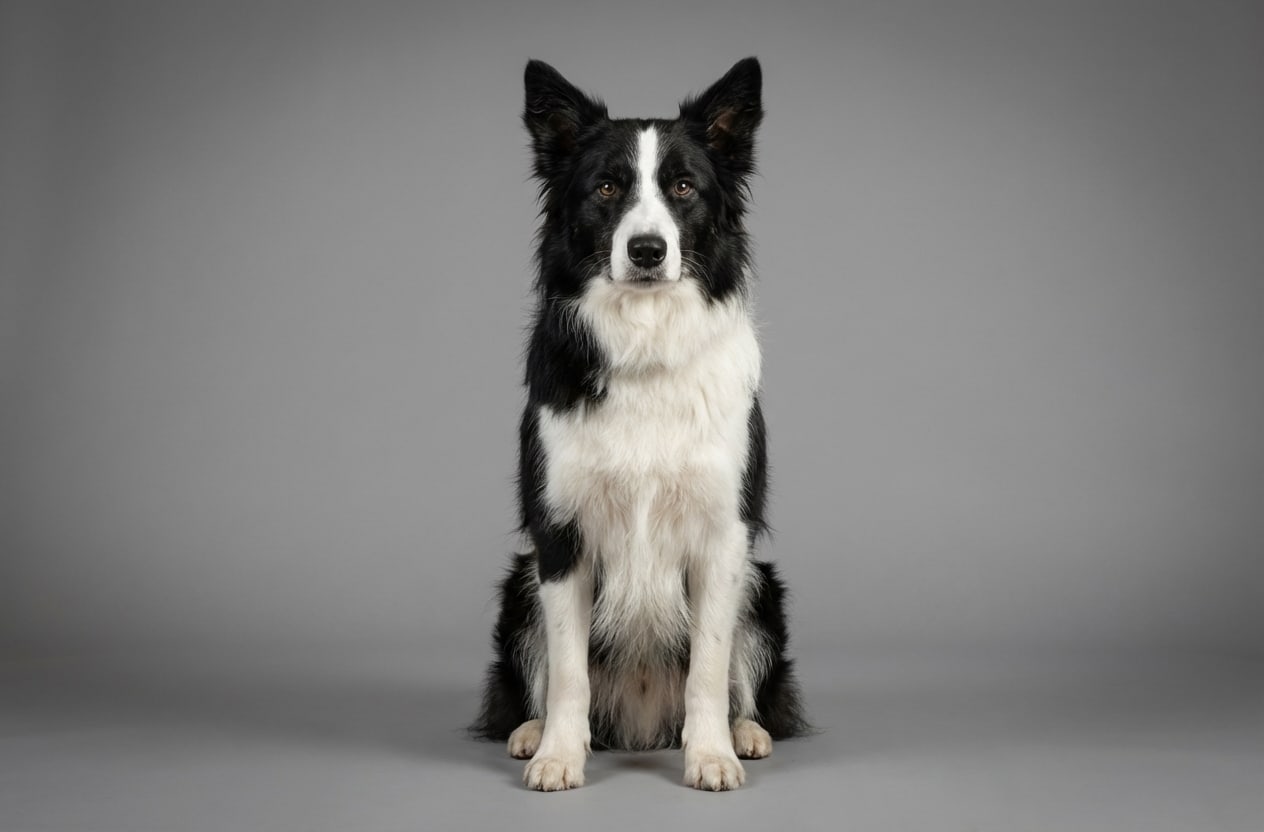
Understanding Your Whoodle's Coat: Everything Owners Need to Know
The Whoodle coat is something special. When you combine the Soft-Coated Wheaten Terrier's famously silky, flowing coat with the Poodle's dense, springy curls, you get a coat that's soft, non-shedding, and genuinely lovely to touch. It's also one of the more complex coats to understand and maintain in the designer breed world.
Knowing what's going on with your Whoodle's coat -- how it grows, how it changes, and what it needs -- gives you the foundation for keeping it (and the dog wearing it) healthy and comfortable.
The Parent Breeds: Two Non-Shedding Coat Masters
The Soft-Coated Wheaten Terrier
The Wheaten Terrier has a single-layer coat (no undercoat) of soft, silky hair that waves gently. The coat grows continuously and doesn't shed in the traditional sense. It has a distinctive "Irish" or "American" trim tradition, with the Irish version being more natural and flowing, the American version neater and more sculpted.
The Wheaten coat is famously silky -- the breed standard literally describes it as feeling like silk. It's also one of the few terrier breeds with a coat that lacks the wiry texture typical of the terrier group.
One particularly interesting trait: Wheaten Terrier puppies are born with dark coats (often deep brown or mahogany) that lighten dramatically as they mature, reaching the characteristic wheaten color by 18 to 24 months. This color transition can carry into Whoodle genetics.
The Poodle
Poodles have a single-layer coat of densely curled hair that grows continuously. The curls are tight, springy, and trap shed hair within the coat rather than releasing it. Without grooming, a Poodle's coat will cord naturally (forming rope-like mats).
The Poodle coat is dense, resilient, and hypoallergenic-friendly. It requires regular cutting because it never stops growing, and it requires regular brushing because the curls trap dead hair that forms mats.
The Whoodle Combination
Both parent breeds contribute non-shedding, continuously growing coats -- but with very different textures. The Wheaten brings silk and waves. The Poodle brings density and curls. Your Whoodle's coat will fall somewhere on this spectrum, and the exact position determines everything about its care requirements.
Whoodle Coat Types: Finding Yours
Most Whoodle coats fall into one of three categories.
The Silky Wave
Appearance: Long, flowing waves with a soft, silky sheen. Lies somewhat flat against the body with gentle movement. The most Wheaten Terrier-like coat type.
Texture: Extremely soft -- the kind of coat strangers ask to touch. Hair feels fine and smooth between your fingers.
Growth pattern: Grows continuously but at a moderate pace. Reaches noticeable length in 4-6 weeks between grooming sessions.
Matting tendency: Moderate. The fine, silky texture tangles less aggressively than curly coats, but mats can form at the base of the ears, under the legs, and where harnesses sit.
Care level: Moderate to high. Brush 3-4 times per week. Professional grooming every 5-6 weeks.
The Soft Curl
Appearance: Defined curls throughout the body, ranging from loose spiral curls to tighter ringlets. More volume than the silky wave. The most Poodle-like coat type.
Texture: Still soft (softer than a purebred Poodle in most cases) but with more body and spring. Hair bounces rather than flows.
Growth pattern: Grows continuously and often faster than the wavy type. Can look significantly different in just 3-4 weeks of growth.
Matting tendency: High. The curls trap shed hair and debris, and tangles form quickly in high-friction areas.
Care level: High. Brush every other day at minimum, daily in high-matting areas. Professional grooming every 4-5 weeks.
The Fleece Coat
Appearance: The most common Whoodle coat type. Loose, open waves or very gentle curls with a plush, fleece-like quality. Not as flat as the silky wave, not as defined as the soft curl.
Texture: Incredibly soft and plush -- like petting a high-quality fleece blanket. This is the coat type most often described as "teddy bear."
Growth pattern: Moderate, continuous growth. Needs trimming every 5-6 weeks.
Matting tendency: Moderate to high. The plush density means tangles can hide beneath the surface layer.
Care level: Moderate to high. Brush 4-5 times per week with thorough comb-through after brushing.
The Whoodle Color Story
Whoodle coats come in a beautiful range of colors, and here's where things get interesting: many Whoodles change color as they mature.
Common Whoodle Colors
- Cream/Wheaten: The classic color, inherited from the Wheaten Terrier parent. Warm, golden-beige.
- Apricot: A warm, reddish-gold shade from apricot or red Poodle lines.
- Red: Deep, rich red that often lightens with age.
- Black: Solid black, sometimes fading to silver or gray over time.
- Chocolate: Rich brown that may lighten to a coffee or caramel shade.
- Silver/Gray: Often starts as black in puppyhood and clears to silver.
- Parti-color: Two or more colors in distinct patches.
The Color-Fading Phenomenon
Here's a surprising fact about Whoodle coats: many Whoodles carry the Poodle's progressive graying gene, which causes dark coats to lighten significantly over the first 2-3 years of life. A jet-black Whoodle puppy might be silver by age two. A deep red puppy might mature into a light apricot.
This doesn't happen to every Whoodle, and the degree of fading varies widely. But if your Whoodle's color is changing, it's almost certainly genetic and completely normal.
The Whoodle Puppy Coat Transition
Whoodle puppies are born with a soft, thin coat that gives almost no indication of what the adult coat will look like. The transition from puppy to adult coat typically happens between 5 and 12 months of age, and it's one of the trickiest grooming periods.
During the transition:
- The new adult hair grows in alongside the shedding puppy coat
- The two coat textures tangle together, creating mats almost overnight
- Brushing needs increase to daily sessions
- Professional grooming every 3-4 weeks during this period prevents severe matting
How the Whoodle Coat Grows
Unlike double-coated breeds that cycle through growth, rest, and shedding phases, the Whoodle coat grows continuously with minimal resting phases. This means:
- Hair growth is constant: Expect 1/2 to 1 inch of growth per month, depending on genetics and nutrition.
- No seasonal shedding: The coat doesn't blow out in spring or fall. Loose hair stays trapped in the coat and is removed through brushing.
- Length is unlimited: Without cutting, a Whoodle's coat will grow to extraordinary lengths. There is no genetically determined "stop" length.
- Texture may evolve: Some Whoodles develop curlier or wavier coats as they age, particularly after being clipped for the first time.
Common Whoodle Coat Concerns
Matting
The single biggest coat concern for Whoodle owners. Prevention strategy:
Beard Care
The Whoodle beard is a perpetual maintenance item. It traps food, absorbs water, and develops odor quickly. Daily wiping after meals and regular trimming keep the beard clean and comfortable.
Eye Irritation
Coat growing into the eyes is common in Whoodles. Hair should be trimmed regularly around the eye area to prevent irritation, tearing, and infection. This is a between-appointment task -- don't wait 6 weeks for the groomer to address overgrown eye hair.
Skin Sensitivity
Whoodle skin tends toward the sensitive side. Harsh shampoos, over-bathing, and aggressive brushing can cause irritation. Use gentle, moisturizing products and bathe only every 3-4 weeks unless the dog is genuinely dirty.
Your Whoodle Coat Care Toolkit
Every Whoodle owner should own:
- Slicker brush: Your primary tool. Choose one with flexible pins that won't scratch the skin.
- Metal greyhound comb: For checking thoroughness and finding hidden tangles. If the comb goes through smoothly from skin to tip, you're good.
- Detangling/conditioning spray: Makes brushing easier and protects hair from breakage. Use before every session.
- Rounded-tip grooming scissors: For face, eye, and paw pad trims between appointments.
- Steel pin brush: Useful for finishing and fluffing after detangling.
Living With a Whoodle Coat: Honest Expectations
Owning a Whoodle means making peace with a grooming routine. There's no way around it. The trade-off for a non-shedding, hypoallergenic-friendly coat is regular maintenance -- both at home and at the groomer.
But here's what you get in return: a coat that doesn't cover your furniture in fur, that's soft enough to bury your face in, and that earns compliments from every person who meets your dog. The grooming industry's explosive growth to $17.9 billion globally in 2025 tells you that millions of dog owners have decided this trade-off is worth it.
Your Whoodle's coat is the result of two breeds that were each prized for their beautiful, unique hair. Understanding what you have -- the type, the growth pattern, the color evolution, the care needs -- turns grooming from a chore into stewardship of something genuinely remarkable.
---
Ready to streamline your grooming workflow? PawOps Board Manager helps salons track every Whoodle from check-in to pickup with real-time visibility. Start your free 30-day trial →