Understanding Your Wire Fox Terrier's Coat: The Complete Guide for Owners
Understanding Your Wire Fox Terrier's Coat: The Complete Guide for Owners
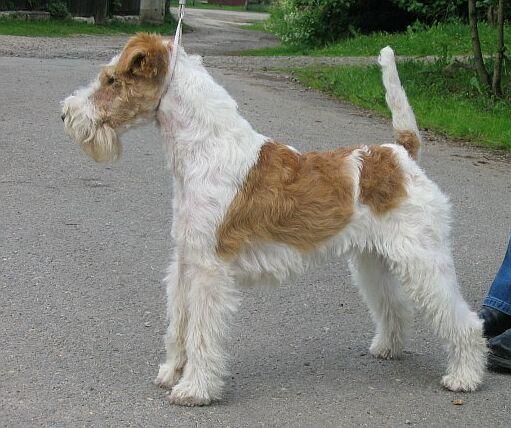
If you own a Wire Fox Terrier, you own one of the most distinctive coats in the entire dog world. That crisp, broken-textured jacket with the sculpted beard and full leg furnishings is unlike anything you will find on most other breeds. But that uniqueness comes with a learning curve. Understanding how your Wire Fox Terrier's coat actually works -- how it grows, what it needs, and what can go wrong -- will make you a better owner and save you a lot of grooming headaches.
The Wire Fox Terrier Coat Structure
Your Wire Fox Terrier wears a wiry double coat with two distinct layers that serve different purposes.
The Outer Coat (Jacket)
The outer coat is the defining feature. It should feel hard, dense, and slightly bristly -- like running your hand over a stiff doormat. The individual hairs are thick, wiry, and have a slight crinkle or wave that creates the "broken" texture terrier enthusiasts talk about.
This is not decorative. The harsh outer coat was engineered through selective breeding to serve as armor for a dog whose job was going underground after foxes. The wiry hairs resist water, shed dirt, and protect against bites and scratches.
Each outer coat hair has a tapered tip when it grows naturally (or is hand stripped). This tapered shape is what gives the coat its dirt-shedding ability. Clip the hair, and you get a blunt tip that traps dirt instead of repelling it.
The Undercoat
Beneath the jacket sits a short, soft, dense undercoat that provides insulation. It is much finer than the outer coat and grows continuously. The undercoat keeps the dog warm in cold weather and acts as a temperature-regulating barrier in heat.
The undercoat is the invisible troublemaker. Because the outer coat is so dense, you cannot always see the undercoat building up. But it does, and when it compacts against the skin, problems start.
The Furnishings
Wire Fox Terriers have longer, softer hair on the legs, beard, eyebrows, and underbody. These furnishings are softer than the body jacket and have a different texture -- more like normal dog hair. They require different care than the wiry body coat.
The furnishings are what give the Wire Fox Terrier its signature silhouette: clean, straight legs; a long, rectangular head; expressive eyebrows; and that magnificent beard.
How the Coat Grows (And Why It Matters)
The Wire Fox Terrier's coat grows on a longer cycle than most breeds, and understanding this cycle explains why hand stripping exists.
Each outer coat hair goes through three phases:
In wire-coated breeds, dead hairs do not shed freely. They sit in the follicle, blocking new growth. Hand stripping removes these dead hairs from the root, making room for fresh growth with correct texture and color.
When you clip instead, the dead roots remain. New hairs push up alongside them, creating a denser, softer texture. After two or three clipping cycles, the characteristic wire texture is gone.
A surprising fact about Wire Fox Terrier coats: the breed actually carries two different types of hair follicles. The body jacket follicles produce the hard, wiry hair, while the furnishing follicles on the legs and face produce softer, more traditional hair. This is why the legs and beard feel completely different from the body coat -- they literally grow from a different type of follicle.
The Wire Fox Terrier Shedding Reality
Wire Fox Terriers are often marketed as "hypoallergenic" or "non-shedding." Let us set the record straight.
They do shed. Every dog with hair sheds. But the Wire Fox Terrier sheds differently.
Because the dead outer coat hairs stay in the follicle rather than falling out, and because the dense undercoat traps any loose hair, you will see very little hair on your furniture or clothes. The shedding is real, but it stays on the dog.
This is both a blessing and a responsibility. Less mess in your house, but more need for regular grooming to remove all that trapped dead coat.
The undercoat does go through seasonal density changes -- slightly thicker in winter, lighter in summer. During these transitions (spring and fall), you may notice a bit more loose hair than usual. Extra brushing during these periods helps.
For allergy sufferers: Wire Fox Terriers produce less dander than many breeds because the dander gets trapped in the dense coat rather than becoming airborne. Regular grooming keeps dander levels low, which is why they are often better tolerated by people with mild dog allergies.
Home Care Between Professional Grooming Sessions
Weekly Brushing Routine
Brush your Wire Fox Terrier three to four times per week. Here is the approach:
Body jacket: Use a slicker brush in the direction of coat growth. Follow with a metal comb to check for hidden tangles near the skin. You are not trying to make the coat fluffy -- just removing debris and checking for undercoat buildup.
Beard and mustache: Comb daily if possible. The beard is a magnet for food, water, and whatever your Wire Fox Terrier stuck its face into during the walk. A wide-tooth comb works well. Check for mats forming at the corners of the mouth.
Leg furnishings: Brush downward with a pin brush or slicker. These furnishings tangle after walks, especially in wet or dusty conditions. Working through tangles when they are small prevents them from becoming full mats.
Eyebrows: Comb forward and check that hair is not growing into the eyes. Trim any hairs that touch the eyeball surface.
Bathing Guidelines
Bathe your Wire Fox Terrier every 4 to 6 weeks. Important notes:
- Use a texturizing or wire-coat shampoo that maintains harshness
- Do not use heavy conditioners on the body coat -- they soften the wire texture
- You can use a light conditioner on the leg furnishings and beard for easier combing
- Dry completely using a high-velocity dryer -- moisture trapped in the undercoat causes skin issues
- Brush the furnishings straight while drying to train them to lay correctly
Beard Maintenance
The beard is the highest-maintenance part of your Wire Fox Terrier. Wipe it after meals and after drinking. Many Wire Fox owners keep a towel near the water bowl specifically for this purpose. A damp beard that stays damp breeds bacteria and can cause a yeast smell.
Common Wire Fox Terrier Coat Problems
Coat Blow
When a large portion of the outer coat dies simultaneously (from stress, hormonal changes, or going too long between strips), the coat "blows" -- it becomes loose, dull, and patchy. A professional groomer can strip the blown coat and start fresh, but the grow-back period takes 8 to 12 weeks.
Furnishing Mats
Leg furnishings and beard are mat magnets. Small tangles left unaddressed become tight mats within days. Daily combing of the beard and every-other-day leg brushing prevents this.
Color Fading From Clipping
Clipping a Wire Fox Terrier repeatedly causes the rich tan markings to fade and the white areas to develop a grayish cast. Hand stripping preserves color vibrancy because the entire hair is replaced rather than cut.
Skin Irritation Under Dense Coat
If your Wire Fox Terrier scratches frequently, part the coat and look at the skin. Red, flaky, or bumpy skin indicates either allergic dermatitis or irritation from packed undercoat. In many cases, thorough undercoat removal during grooming resolves the scratching.
PawOps tracks coat condition and grooming history for every pet, helping salons deliver consistent, breed-appropriate care visit after visit.