Why Your Wirehaired Vizsla Needs Professional Grooming
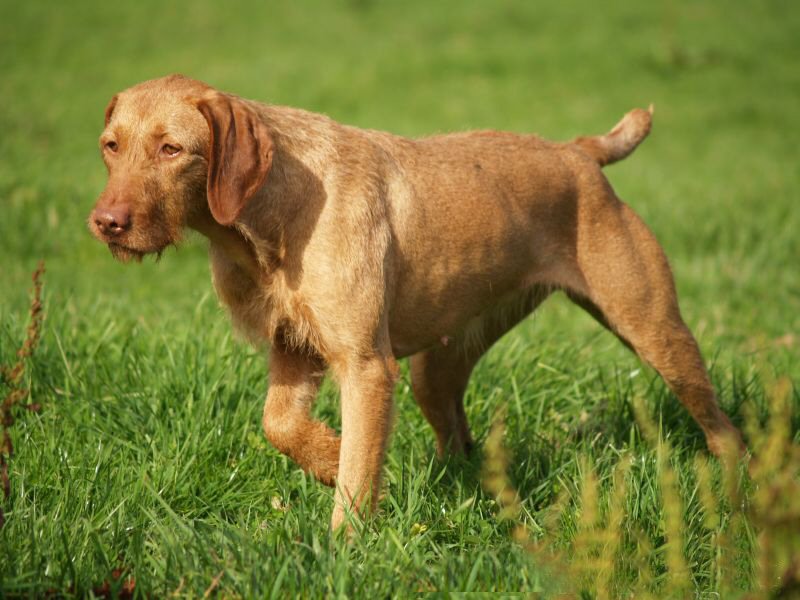
Why Your Wirehaired Vizsla Needs Professional Grooming
The Wirehaired Vizsla is the wire-coated cousin of the sleek Hungarian Vizsla -- same golden rust color, same athletic build, but wrapped in a coat designed for tougher terrain and colder water. That wire coat separates the WHV from its smooth relative in more ways than appearance. It also separates the grooming requirements considerably.
If you chose a Wirehaired Vizsla thinking the grooming would be as simple as a smooth Vizsla, you are in for a learning curve. This coat needs professional attention.
The WHV Coat: A Balanced System
The Wirehaired Vizsla's coat is a moderate wire -- not as harsh as a German Wirehaired Pointer, not as soft as a Spinone. This middle ground creates a coat that is:
Wire outer coat: Close-lying, dense, approximately 1-1.5 inches long on the body. The texture is firm and brushy without being extreme. The golden rust color should be rich and warm.
Visible undercoat: Present and functional, providing water resistance and insulation. Denser in winter, lighter in summer. More developed than a smooth Vizsla (which has virtually none) but less extreme than a GWP.
Facial furnishings: The WHV has a distinguishing beard and eyebrows -- less dramatic than a Griffon or Spinone but clearly present. These furnishings give the breed its characteristic "wise" expression compared to the smooth Vizsla's sleeker look.
Why Professional Grooming Matters
The Wire Needs Stripping
Every wire coat breeds the same truth: dead wire hairs must be removed by hand-stripping to maintain proper texture. The Wirehaired Vizsla is no exception.
Without hand-stripping:
- Dead coat dulls the golden rust color (the rich color lives in properly grown wire tips)
- Texture softens as dead hairs lose stiffness
- New growth is blocked by retained dead hairs
- The coat's water-resistant properties decline
- The wire shaft is cut mid-length, exposing softer inner structure
- Regrowth comes in increasingly soft
- The distinctive brushy texture is replaced by cottony softness within 2-3 clips
- The golden rust color appears washed out
The Undercoat Cycles Seasonally
The WHV's undercoat, while not as dense as some wire breeds, still undergoes seasonal changes that benefit from professional management. During spring and fall transitions, dead undercoat needs removal to maintain skin health and proper insulation function.
Professional groomers use techniques that remove dead undercoat without disturbing the outer wire -- a skill that requires understanding the difference between the two layers.
Facial Furnishings Need Shaping
The WHV's beard and eyebrows require regular maintenance:
- Beard needs trimming to prevent food collection and staining
- Eyebrows need shaping to maintain the breed's expression without obstructing vision
- The transition between smooth face areas and furnished areas needs blending
Ear Health
The Wirehaired Vizsla has the same thin, silky, pendant ears as the smooth Vizsla -- but their more active water work (the wire coat was developed partly for colder water retrieval) means more moisture exposure. Regular professional ear cleaning reduces infection risk.
What Professional WHV Grooming Includes
A standard session covers:
Expect 60-90 minutes for a WHV in good coat condition.
The Color Preservation Factor
Here is something unique to the Wirehaired Vizsla that makes proper grooming even more important: their color.
The golden rust color that defines both Vizsla varieties is one of the breed's most celebrated features. In the WHV, this color is carried primarily in the tips of the properly grown wire hairs. When you hand-strip, new wires grow in with full color intensity. When you clip, you cut away the most pigmented portion of the hair, and regrowth shows lighter color near the root.
Repeatedly clipped WHVs often appear significantly paler than hand-stripped dogs of the same genetic color. For owners who value the rich golden rust, hand-stripping is not just about texture -- it is about maintaining the breed's signature color.
Grooming Schedule for Wirehaired Vizslas
- Every 8-12 weeks: Full professional hand-stripping with facial maintenance
- Every 4-6 weeks: Beard and eyebrow touch-up (if needed between full grooms)
- Weekly at home: Brief bristle brush, ear check, beard wipe
- Seasonally: Extra undercoat removal during spring/fall transitions
Finding a WHV-Capable Groomer
The Wirehaired Vizsla is a relatively new breed in the US (AKC fully recognized only in 2014). Most groomers have never worked with one. Your search strategy:
- Contact the Wirehaired Vizsla Club of America for regional groomer referrals
- Look for groomers experienced with any wire-coated sporting breed
- Ask if they understand the difference between the WHV's moderate wire and harder-coated breeds (different stripping pressure needed)
- Confirm they know the breed should retain its facial furnishings -- not be stripped smooth like a show terrier
Your WHV Deserves the Right Care
The Wirehaired Vizsla combines the Vizsla's athleticism and bonding nature with a coat built for tougher conditions. Professional grooming maintains that coat's protective function, preserves the rich golden rust color, and keeps your dog comfortable through every season. It is a small investment in a breed that gives you everything.
---
Ready to streamline your grooming workflow? PawOps Board Manager helps salons track every Wirehaired Vizsla from check-in to pickup with real-time visibility. Start your free 30-day trial →
Related Reading: