Understanding Your Woodle's Coat: What Every Owner Should Know
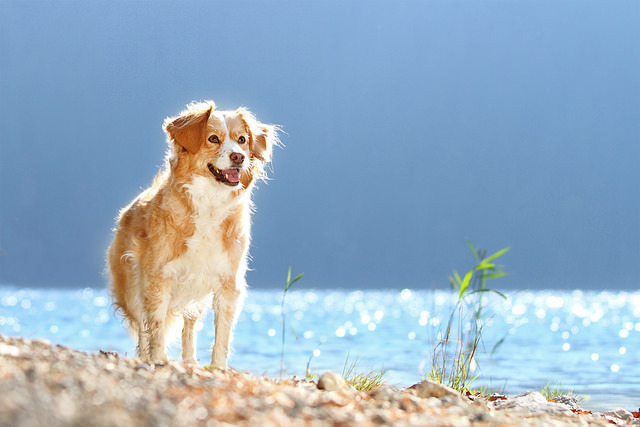
The Woodle -- a Welsh Terrier crossed with a Poodle -- produces one of the more interesting coat combinations in the designer breed world. Both parent breeds have coats that demand attention, but they demand it in very different ways. Understanding what your specific Woodle inherited is the first step to keeping their coat healthy.
Parent Coat Genetics
The Welsh Terrier contribution: A harsh, wiry outer coat over a short, soft undercoat. This double coat is designed to be weather-resistant and was historically hand-stripped to maintain texture. The wire texture comes from a specific hair growth cycle where the outer guard hairs grow, die, and need to be manually removed.
The Poodle contribution: A single coat of dense, curly hair that grows continuously. No undercoat, minimal shedding, but requires regular cutting since it doesn't naturally stop growing. The curl pattern ranges from tight ringlets to loose waves depending on genetics.
When these combine in a Woodle, you get surprising variety -- even within the same litter.
Woodle Coat Variations
Wire/Harsh Coat
About 20-25% of Woodles develop a predominantly wiry outer coat similar to the Welsh Terrier parent. Characteristics:
- Rough, bristly texture that feels coarse to the touch
- Hair doesn't grow indefinitely -- reaches a set length and dies
- Minimal shedding (dead hair stays in the coat until removed)
- May develop a soft undercoat beneath the wire hairs
- Color often holds better than clipped wire coats
Curly/Dense Coat
Roughly 30-35% of Woodles inherit the Poodle's curly coat more dominantly. Characteristics:
- Tight to medium curls throughout the body
- Grows continuously -- needs regular trimming
- Very low shedding but high matting risk
- Single coat without distinct undercoat layer
- Softer texture than the wire variation
Wavy/Fleece Coat
The most common variation at 40-45% of Woodles. Characteristics:
- Soft waves rather than tight curls or stiff wires
- Medium growth rate (slower than pure Poodle, faster than wire)
- Light to moderate shedding
- May have areas of different texture (wiry on back, soft on belly)
- Generally the easiest Woodle coat to maintain
The Texture Map Phenomenon
Many Woodles develop what groomers call a "texture map" -- different coat types on different body areas. A single Woodle might have:
- Wiry guard hairs along the spine and back
- Softer curls on the chest and belly
- Dense, straight hair on the legs
- Fluffy furnishings (eyebrows, beard, leg feathering)
Color and Pattern Notes
Woodle coat color can shift over time, which surprises many owners:
- Black Woodles may fade to silver or blue-gray (Poodle fading gene)
- Tan markings from the Welsh Terrier parent may lighten with age
- Wire coats that are clipped instead of hand-stripped often lighten or become duller
- Some Woodles are born dark and end up significantly lighter by age 2
Seasonal Considerations
Woodle coats respond to seasonal changes, though less dramatically than double-coated purebreds:
Spring/Summer: Coat may thin slightly. Wire-coated Woodles are most comfortable when properly stripped (removing dead undercoat allows airflow). Never shave to the skin -- even on hot days, the coat provides UV protection.
Fall/Winter: Coat thickens. Woodles with any undercoat development will produce more of it for winter. Increased brushing prevents the new growth from matting into existing hair.
Rain and moisture: Wire-coated Woodles handle wet weather well -- the coat's natural oils repel water. Curly-coated Woodles absorb moisture and take forever to dry naturally. A high-velocity dryer at the groomer prevents dampness-related skin issues.
Common Mistakes Woodle Owners Make
Bathing too frequently: Wiry coats lose their texture and natural oils with over-bathing. Every 3-4 weeks maximum unless the dog is genuinely dirty.
Using the wrong brush: A slicker brush works for curly Woodles but can damage wire coats. Wire-coated Woodles need a stripping knife or pumice stone followed by a steel comb.
Ignoring furnishings: Those adorable eyebrows and beards need daily attention. Food, water, and outdoor debris collect in facial hair. A quick wipe after meals and a comb-through prevents buildup.
Assuming one approach fits the whole dog: With the texture map phenomenon, you may need different tools for different body areas. Ask your groomer to show you what they recommend for your specific Woodle.
Building a Home Care Routine
Every Woodle owner should have:
Spend 5-10 minutes daily on maintenance. It becomes a bonding routine your Woodle actually enjoys once it's established early. That daily investment saves you money at the groomer and keeps your dog's coat in peak condition between visits.
Your Woodle's coat tells a story of two remarkable breed histories colliding. Learn its language, and you'll keep it beautiful for years.
---
Ready to streamline your grooming workflow? PawOps Board Manager helps salons track every Woodle from check-in to pickup with real-time visibility. Start your free 30-day trial →
Related Reading: