Why Your Xoloitzcuintli Needs Professional Grooming (Hairless Does Not Mean Maintenance-Free)
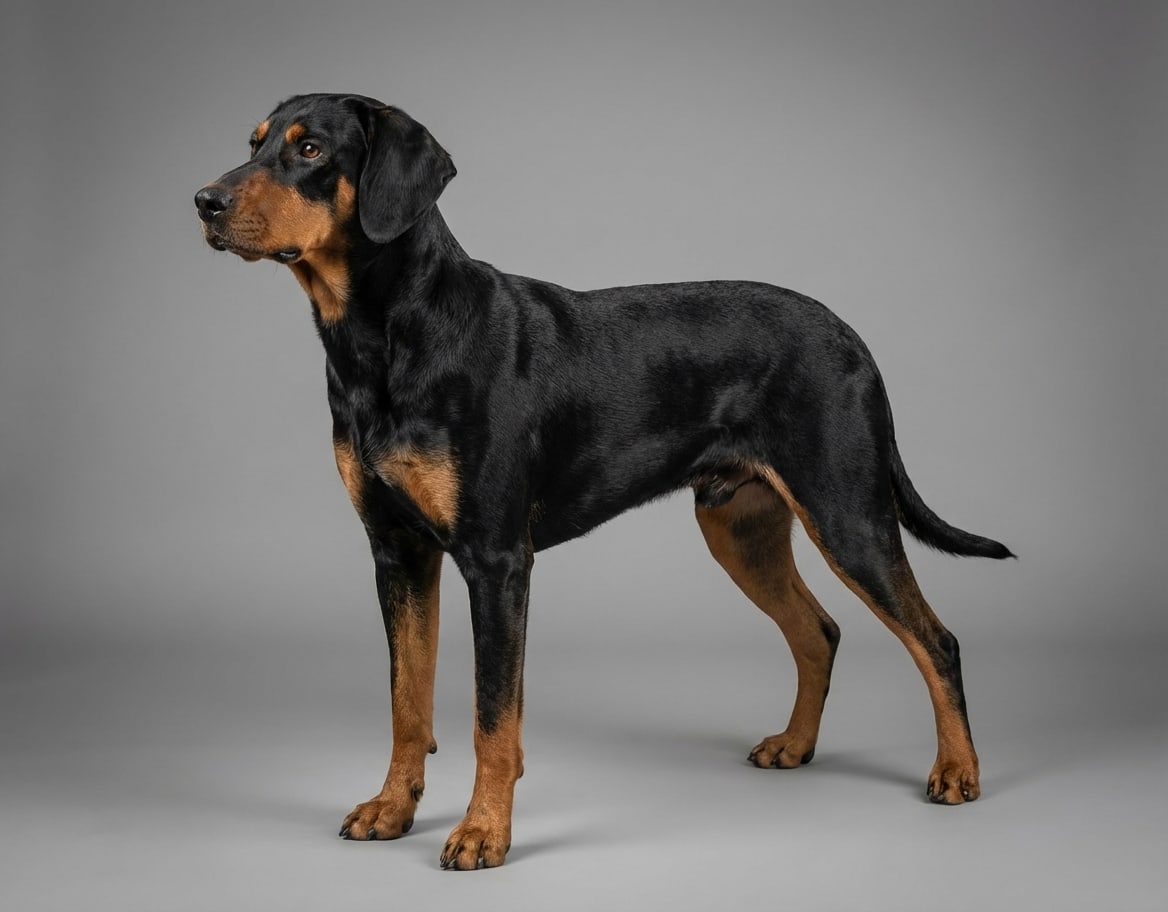
Why Your Xoloitzcuintli Needs Professional Grooming (Hairless Does Not Mean Maintenance-Free)
The Xoloitzcuintli -- commonly called the Xolo (show-low) -- is one of the world's oldest and rarest breeds. Dating back over 3,000 years to ancient Mexico, this hairless breed looks like the easiest grooming client imaginable. No coat to brush, no mats to detangle, no undercoat to de-shed. Should be simple, right?
It is not simple. Hairless breeds are among the most grooming-intensive dogs in existence. Without a protective coat, the Xolo's skin becomes the entire grooming focus -- and skin demands more attention than hair ever did.
Why Hairless Means MORE Grooming, Not Less
A coated dog's fur serves as a protective barrier against the world. It shields skin from UV radiation, buffers against temperature extremes, protects from scratches and irritants, and helps regulate moisture. When you remove that barrier -- as genetics did with the Xolo -- the skin must do everything alone.
This means Xolo skin faces:
- Direct sun exposure causing burns and long-term damage
- Temperature sensitivity without insulating coat
- Environmental irritants contacting skin directly
- Acne and blackheads from oil and dead skin buildup
- Dryness and cracking without the moisture-regulating effect of fur
The Acne and Blackhead Reality
Here is the grooming challenge most new Xolo owners are unprepared for: these dogs get acne. Real acne -- blackheads, clogged pores, and occasionally pustules -- primarily on the face, neck, and along the back.
The Xoloitzcuintli Club of America notes that skin breakouts are one of the most common health-related complaints from Xolo owners. Without hair follicles to distribute sebaceous oil along a hair shaft, the oil sits on the skin surface. Dead skin cells accumulate without the mechanical exfoliation that fur movement provides. The result is clogged pores.
Professional grooming addresses this through:
- Gentle exfoliation using appropriate scrubs or chemical exfoliants designed for canine skin
- Deep-cleaning baths with products that dissolve oil and clear pores without stripping protective moisture
- Extraction of blackheads when appropriate (some groomers trained in hairless breeds offer this)
- Moisturizing treatments that hydrate without clogging
Sun Protection: A Grooming Responsibility
Xolos need sunscreen. This is not a suggestion -- it is a necessity for any Xolo that spends time outdoors. Without melanin-rich fur to absorb UV radiation, the exposed skin burns just like human skin.
Darker-skinned Xolos (the breed ranges from black to dark gray to bronze to lighter skin tones) have some natural melanin protection, but all benefit from sun protection during extended outdoor exposure. Lighter-skinned individuals burn quickly.
A professional groomer provides:
- Assessment of current skin condition for sun damage
- Application of pet-safe sunscreen as part of the grooming process
- Education on which products are safe (many human sunscreens contain ingredients toxic to dogs if licked)
- Identification of precancerous changes in skin that may develop with UV exposure
Moisturizing: The Ongoing Need
Xolo skin goes through cycles of oily and dry, often on different body parts simultaneously. The back might be oily and acne-prone while the elbows and knees are dry and flaking. This dual challenge requires a professional who understands the balance.
Over-moisturizing leads to clogged pores and more acne. Under-moisturizing leads to cracking, flaking, and discomfort. The right approach is:
- Light, non-comedogenic moisturizer on dry areas
- Oil-free products on acne-prone zones
- Seasonal adjustment (more moisture in winter/dry climates, less in humid conditions)
- Coconut oil used sparingly (popular but can clog pores if overused)
What Professional Grooming Looks Like for a Xolo
A full grooming session for a Xoloitzcuintli is fundamentally different from coated breeds:
- Warm water bath with gentle, pH-balanced cleanser (not standard dog shampoo)
- Exfoliation -- gentle physical or chemical exfoliation to prevent buildup
- Blackhead management -- cleaning clogged pores, particularly on face and back
- Moisturizing treatment -- targeted application based on skin zones
- Sun protection application if the dog will be outdoors
- Nail trimming -- without coat distraction, overgrown nails are very visible
- Ear cleaning -- Xolos have upright ears that stay cleaner than floppy-eared breeds but still need checking
- Dental check -- hairless breeds are known for dental issues (more on this below)
- Full skin assessment -- checking for new growths, color changes, or developing problems
The Dental Connection
A grooming detail specific to hairless breeds: the gene that causes hairlessness (FOXI3) is linked to dental abnormalities. Hairless Xolos frequently have missing teeth, peg-shaped teeth, or teeth that are more prone to decay. This is not a defect -- it is a direct genetic correlation between the hairless gene and dental development.
What this means for grooming:
- Teeth should be checked and brushed at every grooming appointment
- Dental issues that would be cosmetic in other breeds can become functional problems in Xolos
- Groomers familiar with hairless breeds include dental assessment as standard
Coated Xolos: A Different Story
The Xoloitzcuintli breed actually comes in two coat varieties: hairless and coated. The coated variety has a short, smooth coat requiring minimal grooming -- similar to any short-coated breed. If you have a coated Xolo, their needs are dramatically different from the hairless variety:
- Standard bath every 4-6 weeks
- Basic brushing weekly
- No skin-specific treatments needed
- No sunscreen requirements
How Often Should a Xolo See a Groomer
| Need | Frequency | |------|-----------| | Professional skin assessment and treatment | Every 2-4 weeks | | Full grooming session | Every 2-3 weeks | | Nail trim | Every 2-3 weeks | | Dental check | Every grooming visit |
Xolos need more frequent professional attention than most breeds -- typically every 2-3 weeks rather than the 4-6 weeks standard for coated dogs. The skin changes quickly and problems develop faster without the buffer of a coat.
Finding a Groomer Who Understands Hairless Breeds
This is the real challenge for Xolo owners. Most groomers have never worked with a hairless dog. The skills are different:
- No drying equipment needed
- Knowledge of skin care products and their interactions
- Understanding of acne management in dogs
- Familiarity with the moisturize/exfoliate balance
- Gentler handling (no fur means no grip -- the skin can be slippery)
PawOps helps salons build service menus for specialty breeds like the Xoloitzcuintli, pricing skin care services accurately based on time, products, and expertise required -- because hairless grooming is a different skill set than coat grooming. Use our free pricing calculator →