Why Your Cardigan Welsh Corgi Needs Professional Grooming (That Fluff Hides Real Needs)
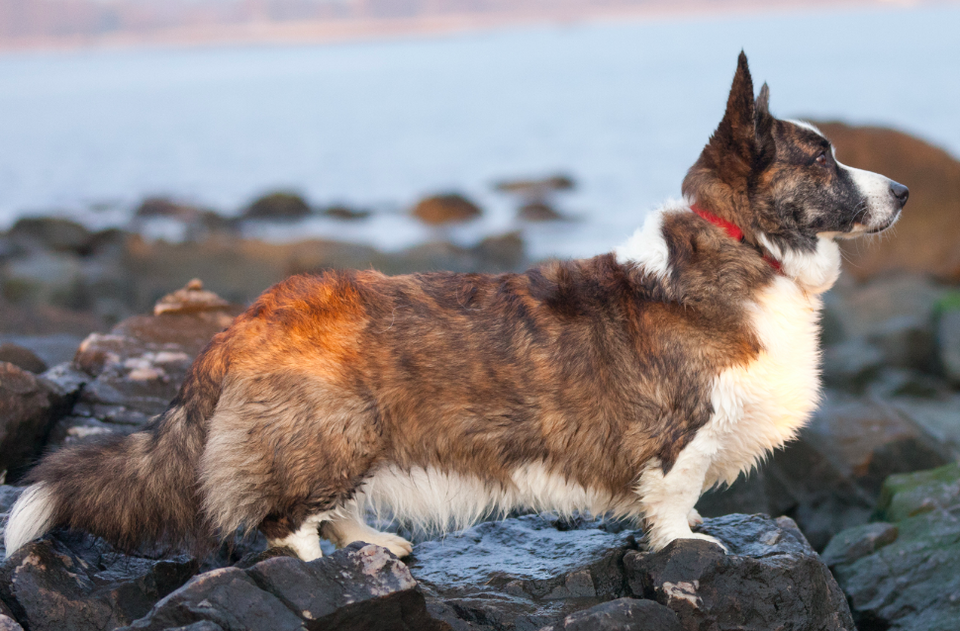
Why Your Cardigan Welsh Corgi Needs Professional Grooming (That Fluff Hides Real Needs)
The Cardigan Welsh Corgi is the older, slightly larger, long-tailed cousin of the Pembroke Welsh Corgi. That medium-length double coat looks manageable enough -- the Cardigan is not exactly a Shih Tzu or a Newfoundland. But beneath that practical-looking exterior is a weather-resistant double coat that sheds with impressive enthusiasm and has specific maintenance needs that benefit significantly from professional attention.
The Cardigan Coat: More Than Meets the Eye
The Cardigan Welsh Corgi has a medium-length double coat with a hard, slightly coarse outer coat and a thick, dense undercoat. The coat is weather-resistant -- developed over centuries for herding in the wet, cold climate of Wales.
The coat is longest on the ruff (chest/neck area), the backs of the thighs (known as "pants"), and the tail. It is shorter on the face, ears, and front of the legs. This variation in length creates different maintenance needs across the body.
Cardigan coats come in a wider range of colors and patterns than most people realize -- including brindle, sable, red, black and white, and blue merle. Regardless of color, the coat structure and grooming needs are consistent.
Why Professional Grooming Matters
Undercoat Management
The Cardigan's undercoat is the star of the show -- and the source of most grooming challenges. This breed sheds year-round with two major coat blows in spring and fall. During the blows, the undercoat comes out in quantities that seem physically impossible for a 30-pound dog.
A professional groomer with a high-velocity dryer removes dead undercoat far more effectively than home brushing. The forced air penetrates through the outer coat and blasts loose undercoat free. This matters because dead undercoat trapped against the skin:
- Traps heat (dangerous for a low-to-the-ground dog in warm weather)
- Creates moisture retention conditions for skin irritation
- Compacts into a felt-like layer that is uncomfortable
Low-Rider Skin Concerns
The Cardigan's body shape -- long back, short legs -- means the belly and chest ride close to the ground. This creates constant contact with grass, dirt, allergens, and moisture. A groomer checks the belly skin during every appointment for:
- Contact dermatitis from grass and chemical lawn treatments
- Hot spots from moisture trapped between the belly fur and the ground
- Flea irritation (fleas love the warm, sheltered belly area)
- Scrapes or irritation from rough terrain
Nail Care Is Critical
Cardigan Welsh Corgis are prone to nail overgrowth because their body proportions make natural nail wear less efficient. Short legs and a heavy body mean the angle of the paw does not always allow nails to wear down from walking on hard surfaces the way longer-legged breeds experience.
Overgrown nails on a Corgi are not just cosmetic. They change the paw's ground contact angle, stress the wrists and elbows, and can exacerbate the back problems that long-bodied breeds are already vulnerable to. Professional nail trimming every four to six weeks keeps the mechanics sound.
Ear Health
The Cardigan has large, rounded, erect ears that function like satellite dishes -- they collect debris, pollen, and moisture. While the upright position allows better airflow than floppy ears, the size and exposure mean they need regular cleaning and inspection.
Sanitary Trimming
The longer fur around the rear end (the "pants") and belly can collect waste and moisture. A professional sanitary trim keeps these areas hygienic and reduces the need for constant home cleanup.
What a Professional Cardigan Groom Includes
- Bath with appropriate shampoo -- deshedding formula during heavy shed, moisturizing otherwise
- High-velocity blow dry -- the most important service for undercoat removal
- Thorough brush-out -- slicker brush and undercoat rake for complete dead coat removal
- Belly check -- skin assessment of the ground-contact zones
- Nail trimming -- critical for this body type
- Ear cleaning -- those big ears need regular attention
- Sanitary and paw pad trim -- hygiene maintenance
- Skin assessment -- full body check under proper lighting
A Surprising Fact About Cardigan Coats
Here is something that distinguishes the Cardigan from the more popular Pembroke: Cardigan Welsh Corgis can have a wider range of coat textures than Pembrokes. Some Cardigans develop a noticeably longer, fluffier coat sometimes called a "fluffy" -- this is a recessive coat trait that produces a softer, longer coat that is beautiful but substantially more work to maintain. Fluffies shed more, mat more, and need more frequent professional grooming than standard-coated Cardigans. If your Cardigan's coat seems unusually long and soft compared to breed photos, you may have a fluffy, and your grooming approach should adjust accordingly.
What Happens When Grooming Is Neglected
- Undercoat compaction creates a insulating layer that traps heat, making the dog uncomfortable and potentially overheated in warm weather
- Belly skin problems develop undetected beneath the coat, from mild irritation to full-blown hot spots
- Nail overgrowth alters gait and stresses joints in a breed already prone to back problems
- The "Corgi smell" -- that distinctive wet-dog odor that neglected Corgis develop, caused by oil and dead undercoat buildup
Grooming Frequency
| Period | Frequency | Primary Focus | |--------|-----------|---------------| | Normal months | Every 6-8 weeks | Maintenance, undercoat removal, nails | | Coat blow (spring/fall) | Every 3-4 weeks | Intensive deshedding |
Between appointments, brush two to three times per week. Daily during the coat blow.
PawOps helps grooming salons assess double-coated herding breeds using condition scoring that accounts for undercoat density, coat type variations, and breed-specific needs -- so your Cardigan Welsh Corgi gets thorough, appropriate care.