Understanding Your Greyhound's Coat: What Every Owner Should Know
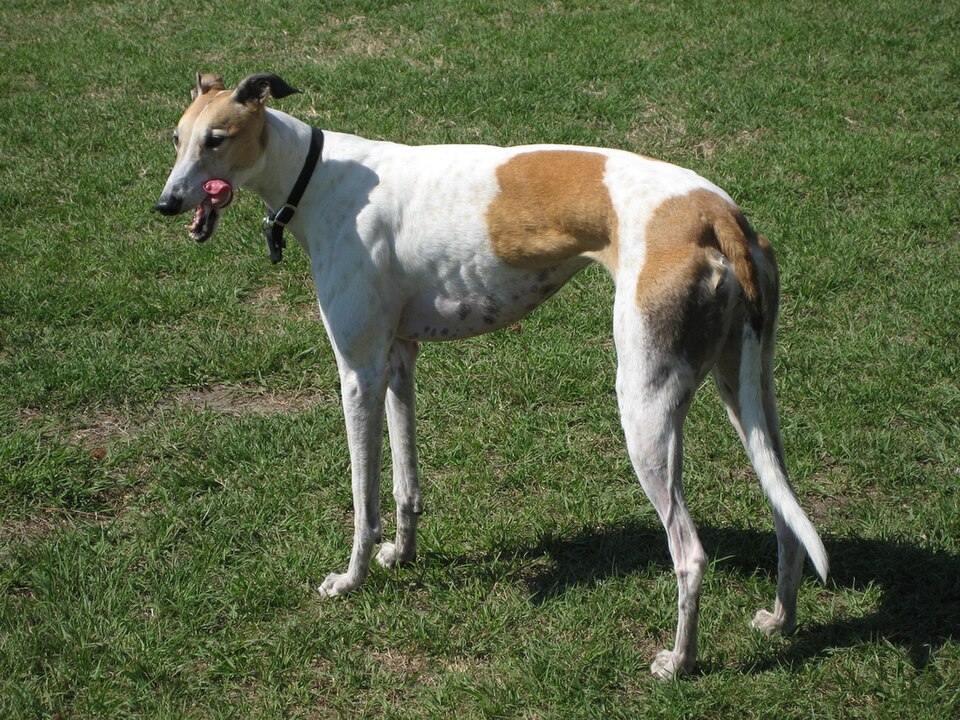
The Greyhound's coat tells the story of 4,000 years of selective breeding for one purpose: speed. Every aspect of their covering -- from the thin skin beneath to the short, fine hair above -- evolved to minimize air resistance and maximize aerodynamic efficiency. Understanding this coat means understanding that you're caring for something fundamentally different from most dog breeds.
Anatomy of a Speed Coat
The Greyhound's coat is among the simplest in the canine world, but "simple" doesn't mean unimportant:
Hair type: Fine, short, close-lying single coat. Individual hairs are thinner in diameter than most breeds' guard hairs.
Length: Approximately 1-2 cm across most of the body. Slightly longer on the thighs and tail.
Undercoat: Minimal to absent. Some Greyhounds have a trace undercoat in winter; many have none at all.
Density: Lower than most breeds. You can often see skin through the coat, especially on the chest, belly, and inner thighs.
Skin thickness: 0.5-1mm across much of the body -- approximately half the thickness of a typical dog breed.
This combination creates a dog that's essentially wearing a light t-shirt while other breeds are wrapped in winter coats. It's aerodynamically perfect and practically challenging.
The Thin Skin Factor
A 2022 comparative dermatology study at the University of Nottingham measured skin thickness across 45 breeds. Greyhounds had the thinnest skin of any breed tested:
- Average Greyhound skin thickness: 0.7mm
- Average across all breeds: 1.3mm
- Thickest breed tested (Shar-Pei): 2.8mm
Vulnerability: Greyhounds tear their skin on objects that wouldn't mark other dogs. Wire fencing, rosebushes, rough play with other dogs -- all can result in skin lacerations.
Product sensitivity: Ingredients that penetrate a normal dog's skin to a safe depth penetrate a Greyhound's skin to potentially irritating depths. Shampoos, topical treatments, and even some collar materials can cause reactions.
Healing: Thin skin heals more slowly and scars more easily. Surgical wounds in Greyhounds require different closure techniques than in other breeds.
Temperature: Without insulating layers, Greyhounds feel temperature changes immediately. They chill quickly in cold weather and can overheat in sun without shade.
Color Varieties and Coat Health
Greyhounds come in virtually every color:
- Black
- White
- Red/Fawn
- Blue (dilute black)
- Brindle (tiger-striped)
- Any combination of the above with white
White areas: Show dirt immediately. More vulnerable to sunburn. Tear staining visible around eyes.
Blue/dilute colors: Associated with Color Dilution Alopecia (CDA) -- a genetic condition causing hair loss and skin fragility in dilute-colored dogs. Not all blue Greyhounds develop CDA, but owners should monitor.
Brindle: Generally the hardiest coat pattern. The mixed pigmentation seems to correlate with slightly better coat density in many individuals.
Black: Absorbs more heat in direct sun. May show dandruff more visibly against dark color.
Common Greyhound Skin and Coat Conditions
Bald Thigh Syndrome (Pattern Baldness): Extremely common in Greyhounds. Hair thins or disappears on the outer thighs, leaving visible skin. It's cosmetic, not health-threatening, but the exposed skin needs sun protection.
Color Dilution Alopecia: Affects some blue, fawn, and other dilute-colored Greyhounds. Hair becomes brittle and breaks, leaving patchy coat. Management focuses on gentle care and skin protection.
Flyspeck Dermatitis: Small black dots on white-coated areas, sometimes with associated inflammation. Caused by a superficial bacterial infection.
Pressure Sores (Calluses): Develop on elbows, hocks, and sternum from lying on hard surfaces. Not strictly a coat issue, but professional groomers monitor these areas.
Corns: Circular, hard growths on footpads. Unique to Greyhounds and related sighthounds. Cause significant pain.
Cold-weather Cracking: Skin on ears and tail tip can crack and bleed in cold, dry winter conditions.
Seasonal Coat Behavior
Greyhounds show subtle seasonal changes:
Winter: Some individuals develop a slightly thicker, finer coat. The body's attempt at additional insulation. Not dramatic -- you might only notice it by feel.
Spring: Whatever extra winter coat developed sheds. This is the Greyhound's only notable shedding period, and even then it's minimal compared to double-coated breeds.
Summer: Coat at its absolute thinnest. Skin is most visible. Sun protection is most critical.
Fall: Slight coat thickening begins. A good time to stock up on cold-weather gear for your Greyhound.
Home Care Protocol
Greyhound coat care at home is minimal but important:
Daily (2 minutes):
- Soft chamois cloth or microfiber mitt over entire body
- This removes dust, distributes minimal oils, and checks for skin changes
- Check paws for corn development
- Very gentle rubber curry (LIGHT pressure -- thin skin)
- Ear inspection and gentle cleaning
- Nail check (file sharp edges between trims)
- Full skin visual -- look for new marks, bumps, or bare patches
- Full paw pad inspection (corn check)
- Assess pressure sores (elbows, hocks)
- Check teeth/gum condition
- Evaluate coat density -- any new thinning?
Bathing Your Greyhound
Bathing frequency and technique for Greyhounds:
Frequency: Every 4-8 weeks, or as needed. Greyhounds don't develop much odor, so bathing is mainly for cleanliness rather than smell management.
Water temperature: Lukewarm to warm -- never hot. Their thin skin is more sensitive to temperature extremes.
Products: Hypoallergenic, fragrance-free, oatmeal-based, or veterinary-recommended formulas. Standard dog shampoos are often too harsh for Greyhound skin.
Technique: Gentle massage, never scrubbing. The thin skin doesn't need aggressive cleaning and responds badly to friction.
Drying: Towel gently (pat, don't rub). They dry very quickly due to minimal coat, but keep them warm during drying -- they chill fast when wet.
After-bath: A light, fragrance-free moisturizing spray helps protect thin skin, especially in dry climates or winter.
Protecting Your Greyhound's Skin
Since the coat provides minimal protection, external measures help:
Clothing: Greyhounds benefit from coats in cold weather (below 45F/7C) and even light shirts for sun protection in summer. This isn't fashion -- it's functional.
Bedding: Padded beds prevent pressure sores. Raised cot-style beds allow air circulation in warm weather. Hard floors without cushioning cause calluses.
Sun protection: Pet-safe sunscreen on thin-coated areas (belly, inner thighs, ear tips, areas with pattern baldness). Limit midday sun exposure.
Environmental awareness: Remove or fence off thorny plants, rough fencing, and anything that could lacerate thin skin during play.
Nutrition and the Greyhound Coat
Diet directly affects Greyhound skin and coat health:
Omega-3 fatty acids: Essential for skin barrier function. Fish oil supplementation (1000mg EPA+DHA per 30 lbs body weight) significantly improves skin health in thin-skinned breeds.
Protein quality: Greyhounds need high-quality, easily digestible protein. Their metabolisms run hot, and coat/skin quality reflects protein adequacy.
Zinc: Critical for skin repair. Greyhounds with thin, slow-healing skin benefit from adequate zinc intake.
Avoid: High-carb diets that promote inflammation, artificial colors/preservatives that can trigger skin reactions, and cheap protein sources with poor amino acid profiles.
The Greyhound Coat Through Life
Puppy: Slightly softer coat than adults. Skin less thin initially but approaches adult thinness by 6-8 months.
Racing age (1-5 years): Coat at its densest and most resilient. Skin still thin but well-maintained in racing kennels.
Post-racing retirement: Coat may improve with better nutrition and reduced stress. Skin issues from track environments gradually resolve.
Senior (8+ years): Coat may thin further. Skin becomes more fragile. Gentler handling and more frequent monitoring needed. Consider warming layers even in moderate temperatures.
Your Greyhound's coat is an engineering marvel -- minimalist, aerodynamic, and purpose-built. It just happens to need a different kind of care than the fluffy, hardy coats most owners are used to. Respect its uniqueness, protect what lies beneath, and your Greyhound will be comfortable in their own skin.
---
Ready to streamline your grooming workflow? PawOps Board Manager helps salons track every Greyhound from check-in to pickup with real-time visibility. Start your free 30-day trial →