Why Your Greyhound Needs Professional Grooming
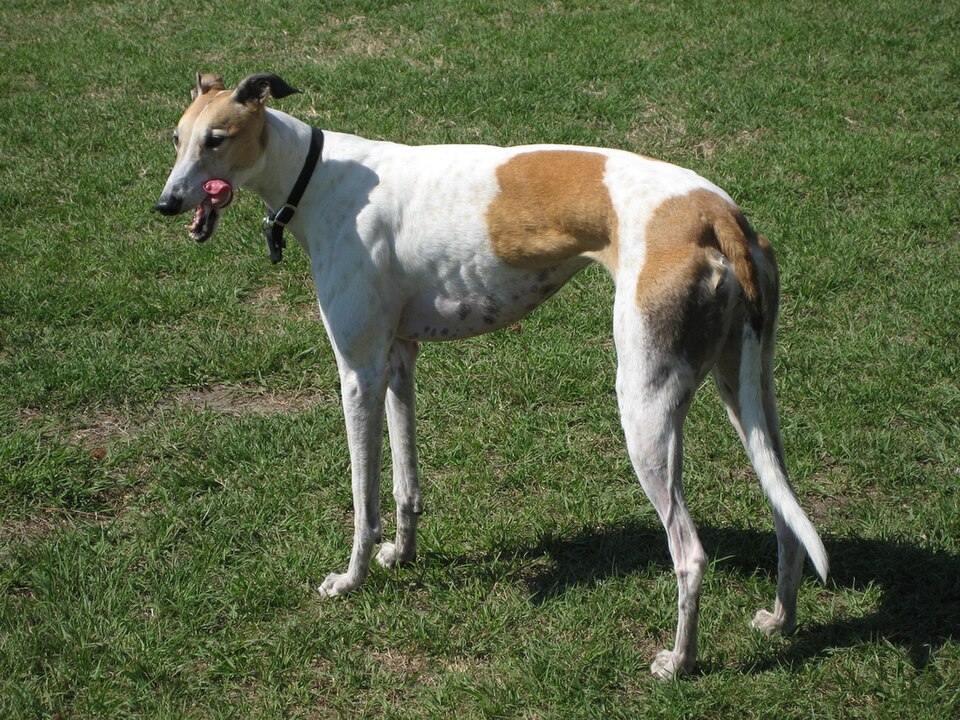
Greyhounds are the supermodels of the dog world -- all legs, elegance, and surprisingly sensitive skin hidden under that sleek exterior. Many owners adopt retired racers or purchase Greyhound puppies expecting zero grooming needs. After all, that thin, short coat looks like it maintains itself.
It doesn't. And the consequences of neglecting professional grooming in this breed show up faster and more dramatically than in hardier-coated dogs.
The Greyhound Skin Reality
Greyhounds have some of the thinnest skin in the canine world. Their skin is literally paper-thin compared to other breeds -- approximately 50% thinner than a Labrador's. This isn't a minor anatomical note. It fundamentally changes their grooming needs.
Thin skin means:
- Cuts, tears, and abrasions happen more easily
- Environmental irritants penetrate faster
- Parasites cause more damage in less time
- Healing takes longer (less tissue depth for repair)
- Products must be gentle or they'll cause reactions
- Temperature changes affect the dog immediately
Why Professional Grooming Matters More, Not Less
The thin coat and skin combination makes professional grooming a health priority:
Expert product selection: Greyhounds react to products that other dogs tolerate fine. Professional groomers experienced with sighthounds use hypoallergenic, gentle formulations specifically chosen for thin-skinned breeds.
Careful handling: The paper-thin skin tears easily under rough handling. Professional groomers who work with Greyhounds adjust their technique -- lighter touch, no aggressive brushing, careful nail work.
Thorough skin assessment: Greyhound skin is visible through the thin coat, making professional assessment both easier and more important. Groomers check for:
- Thin skin tears or healing wounds
- Corns on footpads (extremely common in the breed)
- Bald thigh syndrome (hereditary pattern baldness)
- Fly-strike sores on ears (if outdoor access)
- Pressure sores from lying on hard surfaces
Corns: The Greyhound-Specific Issue
Paw corns are nearly unique to Greyhounds and affect up to 20% of the breed (some estimates higher in retired racers). These hard, kernel-like growths on the footpads cause significant pain and lameness.
Professional groomers familiar with Greyhounds:
- Check for corns at every nail appointment
- Can identify early-stage corns before lameness develops
- Know NOT to trim or dig at corns (requires veterinary treatment)
- Monitor existing corn locations for changes
- Maintain nail length that minimizes pressure on affected pads
The Nail Situation
Greyhound nails are long, thick, and grow quickly. Their nail anatomy differs from most breeds:
- Longer quicks (the blood vessel inside the nail extends further)
- Thicker nail walls
- Fast growth rate despite active lifestyle
- Dark nails common (hard to see the quick)
Most Greyhound experts recommend nail trims every 2-3 weeks -- more frequent than virtually any other breed.
The Teeth Problem
Greyhounds are notorious for dental issues. Up to 85% of retired racing Greyhounds have significant dental disease. Professional groomers who work with the breed:
- Assess dental health during grooming sessions
- Provide teeth brushing as an add-on service
- Note deteriorating dental conditions for veterinary follow-up
- Handle the mouth carefully (Greyhound mouths are sensitive)
What a Professional Session Looks Like
A Greyhound-appropriate professional grooming session:
Session time: 30-45 minutes. Greyhounds don't tolerate long grooming sessions well -- their thin coats don't require it, and their temperament (generally calm but low tolerance for unnecessary handling) demands efficiency.
Retired Racers: Special Considerations
If your Greyhound is a retired racer, additional grooming considerations apply:
- They may never have been professionally groomed (kennel staff did minimal maintenance)
- Fear of the grooming environment is common initially
- Old racing injuries may cause sensitivity in certain areas
- Dental condition is usually poor and needs veterinary attention before grooming addresses it
- Skin may be in worse condition initially (kennel environments aren't always ideal)
The Schedule
Greyhounds benefit from this grooming frequency:
- Full professional groom: Every 4-6 weeks
- Nail trim only: Every 2-3 weeks (critical for this breed)
- Dental check: Every grooming visit
- Corn assessment: Every visit
Your Greyhound may look like the easiest dog to groom on the planet. But that thin skin and those specialized health concerns make professional care a non-negotiable part of responsible ownership.
---
Ready to streamline your grooming workflow? PawOps Board Manager helps salons track every Greyhound from check-in to pickup with real-time visibility. Start your free 30-day trial →