Understanding Your Ibizan Hound's Coat: What Every Owner Should Know
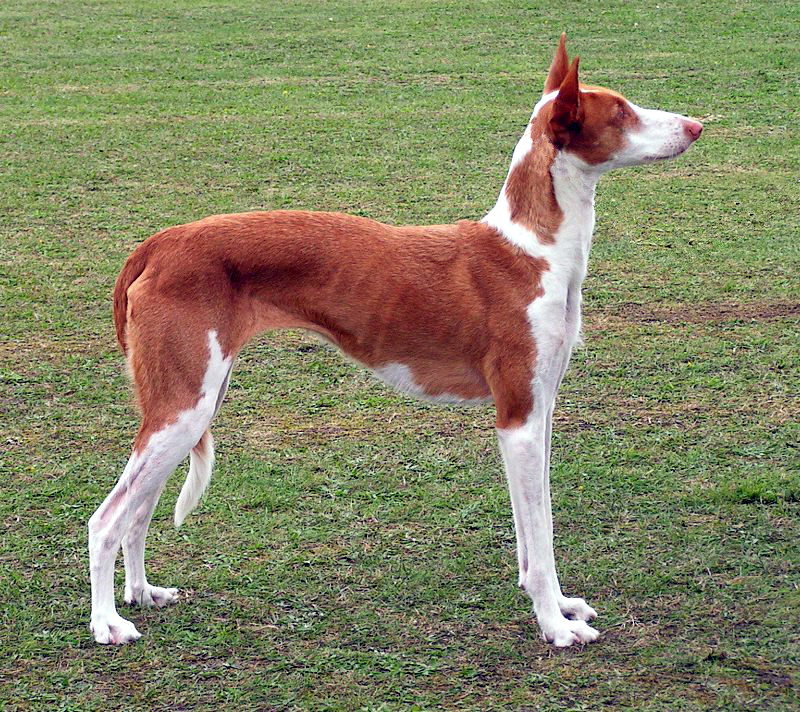
The Ibizan Hound's coat is a Mediterranean creation -- designed for the sun-baked, brush-covered terrain of the Balearic Islands where these dogs have hunted rabbits for over 3,000 years. Whether smooth or wire-coated, the Ibizan's covering is a masterclass in climate-adapted design.
Two Coats, One Purpose
Both Ibizan Hound coat varieties serve the same environmental function: protection from sun, brush, and minor temperature fluctuations without burdening an athlete built for speed and agility.
The Smooth Coat
Smooth-coated Ibizans carry a short, hard-textured coat that lies flat against the body. Key characteristics:
- Length: Very short, typically under 1 cm
- Texture: Hard and glossy, never soft or silky
- Density: Denser than it looks -- packed tight for sun protection despite the short length
- Undercoat: Minimal to none
- Feel: Run your hand over a smooth Ibizan and it feels like polished leather -- firm, smooth, with the structure of the muscle and bone beneath clearly palpable
The Wire Coat
Wire-coated Ibizans are less common but equally correct:
- Length: 1-3 inches, with variations across the body
- Texture: Harsh, coarse -- similar in concept to terrier wire coats but different in character (not as dense, more "shaggy")
- Facial furnishings: Pronounced mustache, beard, and sometimes eyebrows
- Body coverage: The wire coat can look somewhat disheveled -- this is correct, not unkempt
- Undercoat: Slightly more present than in smooth variety, but still minimal
The Mediterranean Skin Beneath
Both coat types share identical skin characteristics:
Thin and sensitive: Ibizan skin is notably thin, similar to Greyhounds and other sighthounds. It tears more easily than thick-skinned breeds.
High vascularization: Close to the surface, making the skin reactive to temperature, products, and irritants.
Low oil production: The skin doesn't produce heavy oils. This means less natural protection but also less doggy odor -- Ibizans are among the least smelly dog breeds.
Color-related sensitivity: White-skinned areas (under white coat) are particularly sun-sensitive. Red/fawn-skinned areas have slightly more natural UV protection.
A 2024 comparative dermatology study across 30 breeds ranked Ibizan Hound skin sensitivity in the top 10, alongside Greyhounds, Whippets, and Italian Greyhounds.
Color and Its Significance
Ibizan Hounds come in:
White and red (most common): Ranging from solid white to solid red, with most dogs showing a white-and-red particolor pattern.
Solid white: Less common. Maximum sun reflection but also maximum sunburn risk on exposed skin areas.
Solid red/lion color: Rich, warm color similar to a deer. Slightly better UV protection than white areas.
Coat color care considerations:
- White areas stain from saliva, tears, food, and environmental factors
- Red areas fade slightly with excessive sun exposure
- Clean white coat requires gentle whitening products (not bleach -- sensitivity!)
- Color contrast (white against red) should be clean and distinct when well-maintained
How the Ibizan Coat Protects
Sun management: The short, hard coat reflects UV radiation. White coloring further reflects heat. This dual mechanism keeps a lean, dark-skinned dog from overheating in Mediterranean sun.
Brush protection: Even the smooth coat provides enough barrier to prevent minor scratches during typical activity. The wire coat adds substantial brush armor.
Cooling: The thin coat allows efficient heat dissipation through the skin -- critical for a running dog in warm climates. A thick coat would trap heat.
Minimal water retention: After swimming or rain, both coat types dry extremely quickly. Water doesn't weigh the dog down or create prolonged skin dampness.
Insect resistance: The hard, close-lying smooth coat makes it harder for biting insects to reach skin. The wire coat's coarseness has a similar effect.
Seasonal Coat Behavior
Ibizans evolved in a Mediterranean climate with mild winters and hot summers. Their seasonal coat changes are subtle:
Winter: Slight coat thickening. Some smooth Ibizans develop a barely perceptible undercoat. Wire coats become marginally denser. In cold climates (not their origin), they may grow more coat than breed-typical as adaptation.
Spring: Minor shedding of any extra winter coat. For smooth Ibizans, this is barely noticeable. Wire Ibizans may shed slightly more but nothing dramatic.
Summer: Coat at its thinnest and hardest. Maximum sun protection mode -- tight, reflective, efficient.
Fall: Gradual slight thickening begins again.
Compared to double-coated breeds, Ibizan seasonal changes are minimal. Don't expect dramatic coat blows or seasonal fluff.
Home Care by Coat Type
Smooth Coat Home Routine
Daily (2 minutes):
- Soft chamois cloth or microfiber mitt over body
- Visual skin check -- white areas make skin changes visible
- Gentle rubber curry to remove loose hair and stimulate circulation
- Ear inspection and gentle wipe
- Check paws between toes
- Assess any skin changes noted during the week
- More thorough skin inspection (look at belly, inner thighs, under forelegs)
- Nail length assessment
- Dental check
Wire Coat Home Routine
3x weekly (15 minutes):
- Pin brush through body coat
- Comb through facial furnishings (beard, mustache)
- Leg furnishing check for tangles
- Feel for any matting forming
- Thorough comb-through of all furnishings
- Pluck obviously loose dead coat by hand
- Ear inspection and cleaning
- Paw check
- Full mat assessment
- Furnishing trim if needed (beard getting in food bowl, etc.)
- Overall coat texture evaluation
Common Ibizan Coat and Skin Issues
Sunburn: Especially on white-skinned areas, ear tips, and bridge of nose. Prevent with pet-safe sunscreen on exposed areas during extended outdoor time.
Contact dermatitis: Ibizans can react to lawn chemicals, certain cleaning products, and even some collar/harness materials. Switch to hypoallergenic products if skin redness appears in contact areas.
Dry skin: Common in low-humidity environments or during winter heating season. Light dietary supplementation with omega-3 fatty acids helps significantly. A humidifier in the dog's sleeping area helps.
Wire coat matting: Primarily in furnishing areas -- beard, legs, behind ears. Regular combing prevents this entirely.
Pattern baldness: Less common than in Greyhounds but occasionally seen in Ibizans. Cosmetic only but the exposed skin needs protection.
Nutrition and the Ibizan Coat
Ibizan Hounds are lean athletes with high metabolisms. Their coat quality reflects nutritional status clearly:
Protein: High-quality animal protein supports coat integrity. The hard texture of a healthy Ibizan coat requires adequate keratin precursors.
Omega-3: Essential for skin barrier function in this thin-skinned breed. Fish oil supplementation is highly recommended (1000mg EPA+DHA per 30 lbs body weight).
Zinc and biotin: Support coat growth and skin repair. Important for a breed with less dermal thickness to begin with.
Hydration: Ibizans evolved in dry climates and may not drink as readily as other breeds. Adequate hydration directly affects skin elasticity and coat condition.
A dull, brittle coat on an Ibizan is almost always nutritional or health-related. Their coat responds quickly and visibly to dietary improvements -- usually showing change within 3-4 weeks of supplementation.
The Ibizan Coat Through Life
Puppy (to 12 months): Softer, slightly longer than adult coat. Wire puppies may not show full facial furnishings until 8-12 months.
Young adult (1-4 years): Prime coat condition. Hard texture fully developed, color at its richest.
Mature adult (4-8 years): Stable coat with consistent maintenance needs. Any changes warrant health investigation.
Senior (8+ years): Coat may thin slightly, become marginally less hard. Increased sun protection needed as the coat's natural barrier reduces. Skin becomes more fragile -- gentler handling required.
Your Ibizan's coat is a 3,000-year-old Mediterranean engineering solution -- minimal, efficient, and beautiful in its simplicity. Whether smooth or wire, the key is respecting its sensitivity while maintaining its natural hardness and health.
---
Ready to streamline your grooming workflow? PawOps Board Manager helps salons track every Ibizan Hound from check-in to pickup with real-time visibility. Start your free 30-day trial →