Understanding Your Kuvasz's Coat: The White Guardian's Crown
Understanding Your Kuvasz's Coat: The White Guardian's Crown
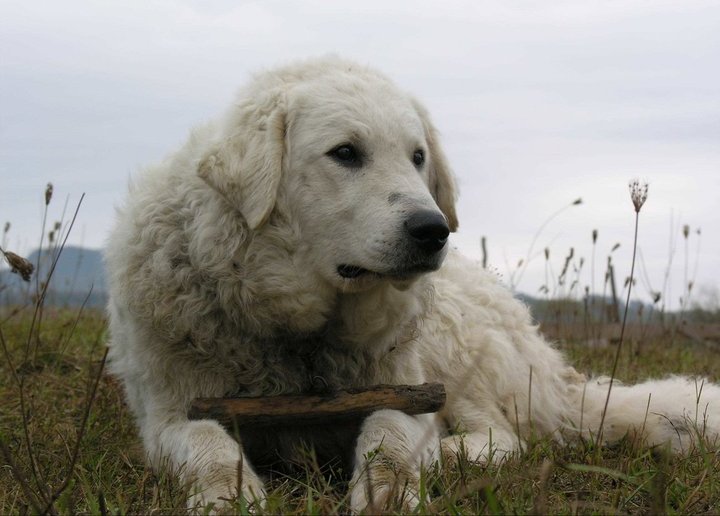
The Kuvasz's coat is a thing of beauty and a test of dedication. That flowing white double coat -- wavy, thick, and dramatic -- was developed over centuries in Hungary to protect livestock guardians from weather, predators, and the elements. Today, it protects your furniture from ever being truly fur-free again.
Understanding this coat is essential to living happily with your Kuvasz. It is a functional system with specific requirements, not just an aesthetic feature.
The Coat's History and Purpose
The Kuvasz (plural: Kuvaszok) has guarded Hungarian livestock for at least 600 years. The white coat served multiple purposes:
This history matters for grooming because it tells you what the coat is designed to do. It is armor, insulation, and camouflage. Treating it as merely cosmetic leads to care mistakes.
Coat Structure in Detail
The Outer Coat
Medium to long, ranging from completely straight to decidedly wavy. The degree of wave varies between individuals and even on different body parts of the same dog. Most Kuvasz have wavier hair on the body and straighter hair on the legs and face.
The texture is somewhat coarse, providing natural dirt and water resistance. When properly maintained, the outer coat has a slight sheen that enhances the white color.
Distribution by body area:
- Shortest: Head, ears, front of legs, feet (about 1-2 inches)
- Medium: Sides, back (2-4 inches)
- Longest: Mane/ruff, tail, breeching/rear legs (4-6+ inches)
The Undercoat
Dense, fine, and soft. The undercoat grows close to the skin and provides the primary insulation. It is significantly denser in winter than in summer, with seasonal shedding transitioning between the two states.
The undercoat is what causes most grooming challenges. When it sheds, the loose fibers get trapped in the wavy outer coat and form mats. When it compacts from lack of grooming, it creates a felt-like layer against the skin that blocks airflow and traps moisture.
Why This Coat Mats So Aggressively
The Kuvasz coat is one of the most mat-prone in the guardian breed group, and the reason is structural:
A research review in the International Journal of Applied Animal Science noted that breeds with wavy double coats show mat formation rates approximately 35% higher than breeds with straight double coats of similar density.
Shedding Patterns
The Kuvasz follows a typical double-coated shedding pattern, amplified by the breed's large size:
Year-round: Moderate shedding. White hair on everything, all the time. If you own a Kuvasz, you own a lint roller.
Spring coat blow: Dramatic. The dense winter undercoat releases over three to six weeks. The amount of fur is genuinely impressive. Professional deshedding during this period fills bags.
Fall coat blow: The lighter summer undercoat sheds to make way for the incoming winter coat. Similar volume to spring.
Humidity factor: Kuvasz in humid climates often shed more continuously rather than having distinct seasonal blows, as the moisture in the air keeps the undercoat in a constant state of slight dampness that promotes ongoing shedding.
The White Coat Challenge
Owning a white-coated breed means dealing with staining:
- Tear staining: Reddish-brown staining below the eyes from porphyrins in tears. More visible on white than on dark-coated breeds. Regular face cleaning and veterinary attention to excessive tearing help.
- Urine staining: Yellowish discoloration on the belly, rear legs, and feet. More common in males. Regular sanitary trimming and bathing address this.
- Environmental yellowing: Grass stains, dirt, and sun exposure can give the coat a yellowish or grayish cast. Whitening shampoos and regular bathing maintain brightness.
- Food staining: The chest and mane can pick up color from food and water bowls. Elevated bowls and regular face cleaning help.
Climate Considerations
- Cold climates: Ideal. The coat performs exactly as designed. Maximum undercoat provides excellent insulation.
- Moderate climates: The coat adapts seasonally and functions well.
- Hot climates: The coat provides insulation against heat and UV protection, but the Kuvasz can be uncomfortable in extreme heat. Never shave -- professional deshedding to thin the undercoat is the correct approach. Ensure shade, water, and avoid heavy exercise in peak heat.
- Humid climates: The most grooming-intensive environment. Humidity increases matting speed, slows drying, and promotes skin issues. More frequent professional grooming is necessary.
Essential Care Guide
Daily: Quick visual check. Remove visible debris from the coat.
3-4 times per week: Thorough brushing session with slicker brush and undercoat rake. Focus on mat-prone areas (behind ears, armpits, mane, breeching). 20-30 minutes per session.
Weekly: Full line brushing with steel comb check for hidden mats. 45-60 minutes.
Every 4-5 weeks: Professional grooming -- bath, deshed, full brush-out, skin check, nail trim, ear cleaning.
Tools needed:
- Large slicker brush
- Steel comb (wide and fine tooth)
- Undercoat rake
- Pin brush (for sensitive areas)
- Detangling spray
- Whitening shampoo
A Fact That Puts It All in Perspective
Here is a data point that captures the Kuvasz coat commitment: a fully coated adult Kuvasz carries approximately two to three pounds of fur at any given time. During a full deshedding session, a professional groomer can remove half a pound to a full pound of dead undercoat. That is a significant percentage of the total coat weight, and it accumulates again within four to six weeks. This continuous cycle of growth and shedding is why consistent grooming is not optional -- it is structural to the breed.
The Emotional Reward
A well-groomed Kuvasz is one of the most stunning sights in the dog world. That white coat flowing in the wind, the mane ruffling around the neck, the tail waving like a banner -- it is magnificent. The grooming commitment is real and significant. But when you see your Kuvasz at its best, you understand why people have been willing to put in the work for 600 years.
PawOps helps grooming salons assess and price large guardian breeds like the Kuvasz based on coat condition and time required -- because a well-maintained Kuvasz is a completely different grooming job than a neglected one, and pricing should reflect that. Use our free pricing calculator →