Why Your Leonberger Needs Professional Grooming (Yes, Even the Gentle Giants)
Why Your Leonberger Needs Professional Grooming (Yes, Even the Gentle Giants)
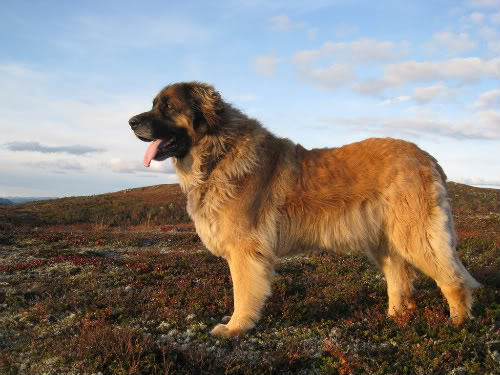
Leonbergers are magnificent. At 90 to 170 pounds with a flowing mane, feathered legs, and a thick double coat that makes them look like they wandered off the set of a medieval fantasy, these dogs turn heads everywhere they go. They are also one of the most grooming-intensive breeds you can own.
That lion-like coat is not decorative. It is a dense, weather-resistant working coat that was bred for water rescue, farm work, and surviving Alpine winters. And it demands professional maintenance that goes far beyond what a garden hose and a slicker brush can accomplish.
The Leonberger Coat Is Engineered for Extreme Conditions
Leonbergers carry a medium to long double coat with a dense, water-resistant undercoat. Males develop a pronounced mane around the neck and chest that can be several inches thick. Both sexes have heavy feathering on the backs of the legs, the tail, and the chest.
This coat was purpose-built. Leonbergers originated in Leonberg, Germany in the 1840s, bred from Saint Bernards, Newfoundlands, and Great Pyrenees. Every one of those foundation breeds contributed coat density, water resistance, and insulation to the Leonberger's genetic package. The result is a coat that can handle freezing water, mountain weather, and pulling carts through snow.
What it cannot handle is neglect. Without regular professional grooming, that magnificent coat becomes a matted, overheated, skin-problem-causing liability.
What Professional Grooming Does for a Leonberger
Undercoat Management at Scale
This is the primary reason Leonbergers need professional groomers. The undercoat on a Leo is thick, soft, and relentless. It sheds continuously with two massive blowouts per year that can last four to six weeks each. During a blowout, a professional groomer using a high-velocity dryer will remove enough undercoat to fill a garbage bag. That is not an exaggeration -- Leonberger owners regularly report this.
A high-velocity dryer does what no amount of home brushing can replicate. It blasts loose undercoat out from the skin level, reaching fur that is packed too tightly for a brush or rake to extract. Without this deep removal, dead undercoat compresses against the skin, trapping heat and moisture. For a breed that already runs warm due to sheer mass, this is a direct path to overheating and skin infections.
Mane and Feathering Maintenance
The Leonberger's mane is the breed's signature feature and its biggest grooming challenge. That thick ruff around the neck collects everything -- food, water, drool, dirt, plant material. It mats where the collar sits, where the harness crosses, and where the dog lies down. Male Leos with full manes can develop mats so dense they need to be carefully cut apart if brushing is skipped for even two weeks.
Professional groomers work through the mane section by section, checking for mats at skin level that surface brushing misses entirely. They thin the mane where necessary to reduce bulk without destroying the breed's characteristic silhouette. The leg feathering and tail plume get the same systematic treatment.
Skin Checks on 170 Pounds of Dog
Leonbergers are prone to hot spots, particularly in warm climates. Their size means skin issues can hide under dense fur for weeks before you notice scratching or discomfort. A professional groomer parts the coat methodically and inspects the skin across the entire body -- something that is physically difficult for most owners to do thoroughly on a dog this large.
The Leonberger Health Foundation reports that skin conditions are among the top five health concerns in the breed, with hot spots and bacterial infections being the most common dermatological issues. Early detection during grooming prevents minor irritation from becoming a veterinary emergency.
Paw and Nail Care for a Giant Breed
At 90 to 170 pounds, nail length has structural consequences. Overgrown nails alter how a Leonberger distributes weight across joints that are already under significant load. This breed is predisposed to hip and elbow dysplasia, and improper nail length adds mechanical stress to already vulnerable joints.
Leonbergers also grow thick fur between their paw pads that traps moisture, ice, and debris. Professional groomers trim this fur and check the pads for cracks, foreign objects, and signs of irritation.
Ear Care
Leonberger ears are medium-sized and triangular with moderate feathering. While not as infection-prone as heavy-eared spaniel breeds, the feathering around the ear opening can trap moisture after swimming -- and Leonbergers love water. Regular ear cleaning during grooming visits keeps the ear canal healthy.
What Happens When You Skip Professional Grooming
Leonberger owners who try to manage the coat entirely at home -- or who stretch grooming intervals too far -- encounter predictable problems:
- Matting that reaches the skin. The mane, armpits, behind the ears, and groin are the first areas to mat. Skin-level mats pull constantly, causing pain and sometimes skin breakdown.
- Overheating. A packed undercoat acts as insulation year-round. In summer, a Leonberger with a neglected coat cannot thermoregulate effectively. Given that heat intolerance is already a concern for giant breeds, this is genuinely dangerous.
- Chronic shedding chaos. Without professional deshedding, loose undercoat migrates to every surface in your home. It weaves into upholstery, clogs HVAC filters, and forms tumbleweeds in corners.
- Hidden skin infections. Hot spots and fungal infections develop under matted or packed coat and go undetected until the dog is in significant discomfort.
- Sanitary issues. The feathering around the hindquarters collects waste if not trimmed and maintained. This is a hygiene and health issue, not just an aesthetic one.
How Often Should a Leonberger See the Groomer
Most Leonbergers thrive on a six to eight week professional grooming schedule, with more frequent visits during spring and fall coat blowouts.
| Season | Recommended Frequency | Primary Focus | |--------|-----------------------|---------------| | Spring blowout | Every 4-5 weeks | Massive undercoat removal, skin checks | | Summer | Every 5-6 weeks | Undercoat thinning, feathering trim, overheating prevention | | Fall blowout | Every 4-5 weeks | Undercoat removal as winter coat grows in | | Winter | Every 6-8 weeks | Mane maintenance, paw pad care, mat checks |
Between professional visits, brush your Leonberger three to four times per week. Focus on the mane, behind the ears, the armpits, and the leg feathering -- these are the areas that mat first.
Finding a Groomer Who Can Handle a Leonberger
Not every groomer is equipped for this breed. You need someone who:
- Has a grooming table and dryer setup that can accommodate a dog over 100 pounds
- Understands double coat management and will not suggest shaving your Leo
- Has experience with giant breeds -- handling a 150-pound dog requires physical capability and confidence
- Uses condition-based assessment rather than flat-rate pricing
- Is willing to allocate adequate time -- a thorough Leonberger groom takes 90 minutes to two and a half hours
The Real Cost of Skipping Professional Grooming
Professional Leonberger grooming runs $85 to $150 per session depending on location and coat condition. That is a real expense. But a single hot spot vet visit costs $150 to $400. Treating a severe mat-related skin infection runs $200 to $600. And the cumulative damage to joints from overgrown nails compounds silently over years.
Professional grooming is not a luxury for this breed. It is preventive health care for a dog whose coat was never designed for a climate-controlled suburban life without maintenance.
PawOps helps grooming salons assess giant breed coats using condition scoring and coat difficulty analysis -- so your Leonberger gets the time, tools, and attention their coat genuinely requires, every single visit.
Related Reading: