Understanding Your Miniature Schnauzer's Coat: What Every Owner Should Know
Understanding Your Miniature Schnauzer's Coat: What Every Owner Should Know
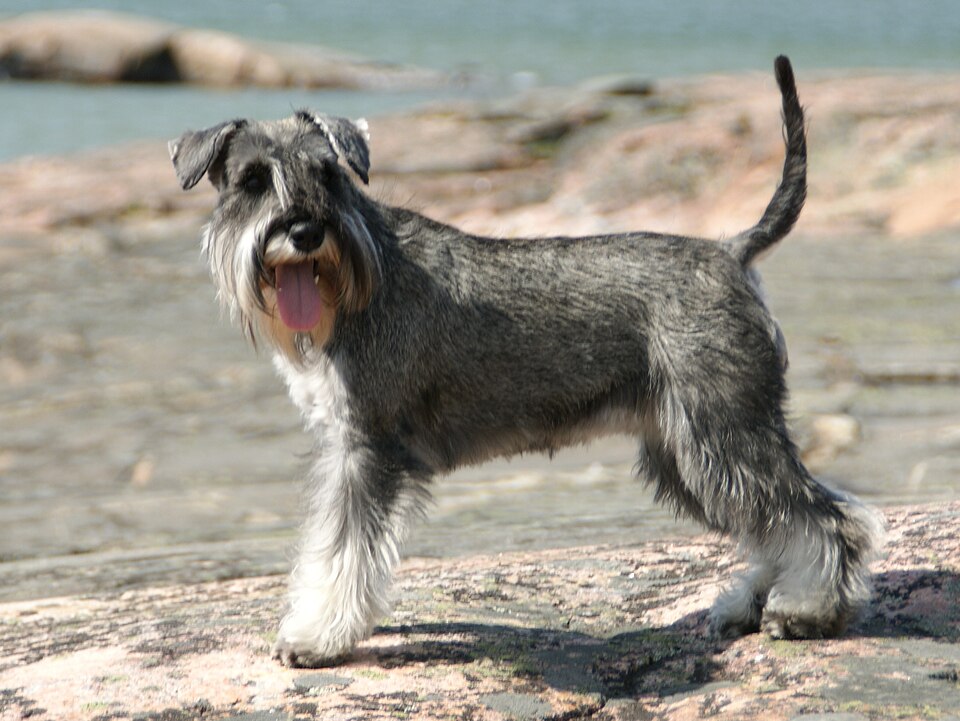
The Miniature Schnauzer coat is unlike most other breeds. It is a wiry, double-layered system that produces one of the most distinctive looks in the dog world. Those bushy eyebrows, that magnificent beard, the crisp body lines -- all of it comes from a coat type that has its own set of rules.
Understanding those rules will help you keep your Schnauzer looking sharp and comfortable.
Miniature Schnauzer Coat Structure
The Schnauzer coat has two layers with distinctly different textures:
The outer coat is wiry, harsh, and close-lying on the body. This is the textured coat that gives Schnauzers their clean, tailored look. The wire texture is functional: it was originally designed to protect the dog from rat bites and thorny underbrush during vermin hunting.
The undercoat is softer, denser, and provides insulation. It sits close to the skin beneath the wiry outer coat.
What makes the Schnauzer coat truly unique is the furnishings: the beard, eyebrows, and leg hair. These are a completely different texture from the body coat. The furnishings are softer, longer, and grow continuously. They are closer to hair than the wiry body coat.
This dual-texture system means your Schnauzer essentially has two grooming needs:
A surprising fact: the wiry texture of the Schnauzer's outer coat is created by the shape of each individual hair follicle. Wire-haired breeds have follicles that produce hairs with a slightly flattened or angular cross-section, rather than the round cross-section found in smooth-coated breeds. This angular shape gives each hair its characteristic stiffness and "crinkly" feel.
How Hand-Stripping and Clipping Affect the Coat
This is the most important thing every Schnauzer owner should understand about their dog's coat:
Hand-stripping removes dead outer coat hairs by pulling them out of the follicle. Because the hair is dead, this is not painful when done correctly. The new hair that grows in from the same follicle maintains the correct wiry texture and rich color.
The hand-stripping cycle:
Clipping cuts the hair at the surface rather than removing it from the follicle. The hair that regrows comes back from the same growth cycle, but the soft undercoat now sits at the same length as the cut outer coat.
Over time, repeated clipping produces a softer, less textured coat. The signature wiry feel gradually gives way to a cottony or fuzzy texture. Colors may also appear less vivid because the softer undercoat blends with the outer coat.
This change is gradual and cosmetic, not harmful. A clipped Schnauzer is perfectly healthy. The coat just looks and feels different than a hand-stripped one.
Schnauzer Coat Colors
Miniature Schnauzers come in four AKC-recognized colors:
- Salt and Pepper: The most common color. Each hair is banded with dark and light sections, creating an overall gray appearance. The intensity of the salt and pepper varies from very light silver to dark charcoal.
- Black: Solid black outer coat with a black undercoat. Should be uniformly dark.
- Black and Silver: Black body with silver markings on eyebrows, beard, chest, legs, and under the tail. A striking, tuxedo-like pattern.
- White: Solid white coat, less common than other colors.
Clipping can affect color appearance, particularly in salt and pepper dogs. The banded hairs are cut mid-shaft, disrupting the alternating dark-light pattern and often making the coat appear lighter or more uniform than a hand-stripped coat.
Shedding (Or Lack Thereof)
Miniature Schnauzers are classified as low-shedding. Here is why:
The wiry outer coat goes through a growth cycle where dead hairs stay in the follicle rather than falling out naturally. In a hand-stripped coat, these dead hairs are manually removed during stripping sessions. In a clipped coat, they are cut during clipping.
Either way, very little hair ends up on your furniture, clothes, or floor. This makes Schnauzers a popular choice for people who want a cleaner home or who have mild pet allergies.
However, "low-shedding" does not mean "no-maintenance." The undercoat still needs regular brushing to prevent matting, and the furnishings need combing to stay tangle-free.
Common Miniature Schnauzer Coat Issues
Comedones (Schnauzer Bumps)
Miniature Schnauzers are uniquely prone to comedones, which are essentially blackheads. They appear primarily on the back as small, dark bumps in the skin. The wiry coat follicles seem to predispose the breed to this condition.Management: Regular bathing with a benzoyl peroxide shampoo, keeping the coat clean, and monitoring for secondary infections. Severe cases need veterinary treatment.
Furnishing Matting
The beard is a mat magnet. It gets wet from drinking, collects food particles, and tangles with daily activity. Leg furnishings also tangle, especially in active dogs.Prevention: Daily beard combing. Wipe the beard after meals and water. Comb leg furnishings 2-3 times per week.
Post-Clip Coat Change
Schnauzers that have been clipped for years develop a noticeably softer, fuzzier coat. This is cosmetic, not medical, but it changes how the coat feels and sometimes how the cut looks.Management: If coat texture is important to you, discuss transitioning to hand-stripping with your groomer. This requires growing the coat out and beginning the stripping process, a 6-12 month commitment.
Dry or Dull Coat
A Schnauzer coat that looks flat, dull, or lifeless may indicate nutritional deficiency, thyroid issues, or improper grooming products.Management: Ensure a quality diet with omega fatty acids. Have thyroid levels checked if dullness is persistent. Use grooming products formulated for wire-haired breeds.
Your Schnauzer Coat Care Toolkit
Daily and Weekly Maintenance
Daily:
- Comb the beard to prevent tangles and remove food debris
- Wipe the beard after meals
- Quick check of eyebrows for eye irritation
- Brush the body coat with a slicker brush
- Comb leg furnishings thoroughly
- Check ears for wax or odor
- Thorough combing of all furnishings to the skin
- Check for comedones on the back
Working With Your Groomer
- Discuss your preference early: Clipping or hand-stripping? Your groomer needs to know your long-term plan.
- Bring reference photos for furnishing length: "Short beard" means different things to different people.
- Mention any skin bumps: Comedones are common and your groomer should know about them.
- Ask about furnishing care tips: Your groomer can show you the best way to maintain the beard and brows between visits.
The Miniature Schnauzer coat is one of the most characterful in the dog world. It defines the breed's look, serves functional purposes, and responds to grooming in ways no other coat type quite matches. Understand its quirks, maintain it consistently, and enjoy owning a dog that always looks like it means business.
Frequently Asked Questions
Do Miniature Schnauzers have hair or fur?
Their body coat is technically fur (wiry outer coat with undercoat), while the furnishings (beard, brows, legs) behave more like hair with continuous growth. It is a hybrid system unique to wire-coated breeds.Will my Schnauzer's coat change if I switch from hand-stripping to clipping?
Yes, gradually. The coat will become softer and possibly lighter in color over several clipping cycles. This change is cosmetic and reversible if you return to hand-stripping, though the transition takes months.Why does my Schnauzer's beard turn yellow or brown?
Saliva and food staining are the primary causes. Porphyrin in saliva oxidizes on the light-colored beard. Daily wiping after meals and periodic whitening treatments help manage discoloration.Are Miniature Schnauzers good for people with allergies?
They are among the better breeds for allergy sufferers due to low shedding. However, no dog is truly hypoallergenic. The wiry coat traps dander rather than releasing it into the air, which reduces but does not eliminate allergic reactions.What are those bumps on my Schnauzer's back?
Likely comedones (blackheads), a condition so common in the breed it is sometimes called "Schnauzer bumps." They are caused by plugged hair follicles and are usually manageable with medicated shampoo. Consult your vet if they become inflamed or infected.---
Ready to streamline your grooming workflow? PawOps Board Manager helps salons track every Miniature Schnauzer from check-in to pickup with real-time visibility. Start your free 30-day trial →