Understanding Your Pomeranian's Coat: What Every Owner Should Know
Understanding Your Pomeranian's Coat: What Every Owner Should Know
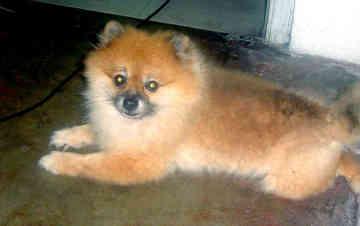
The Pomeranian coat is an Arctic survival system shrunk down to fit a toy breed. It is dense, voluminous, and gloriously fluffy. It is also one of the most misunderstood coats in the dog world, which leads to grooming mistakes that can permanently damage it.
Here is what you need to know to care for your Pom's coat properly.
Pomeranian Coat Architecture
Pomeranians have a textbook double coat inherited from their Spitz ancestors:
The undercoat is dense, soft, and cottony. It sits close to the skin in a thick layer that provides insulation and creates the breed's signature volume. Without the undercoat, a Pomeranian would look like a small, smooth-coated dog.
The outer coat (guard hairs) is longer, harsher, and straight. These hairs stand away from the body at nearly a perpendicular angle, supported by the dense undercoat beneath. The guard hairs give the coat its texture and protect the undercoat from moisture and debris.
The relationship between these layers creates the puffball effect. The undercoat pushes outward, the guard hairs stand off the body, and together they produce a silhouette that makes a 5-pound dog look like it weighs 15.
A surprising fact: the Pomeranian's coat-to-body-weight ratio is one of the highest in the dog world. If you were to weigh all the hair on a Pomeranian separately, it would account for a significantly higher percentage of total body weight than virtually any other breed. Some Pom breeders estimate the coat can represent 15 to 20 percent of the dog's visible volume.
The Puppy Uglies: A Pomeranian Rite of Passage
Between roughly 4 and 10 months of age, Pomeranian puppies go through a dramatic coat transition known as the "puppy uglies." This is when the soft puppy coat sheds out and the adult double coat grows in.
During this phase:
- The coat looks sparse, thin, and patchy
- The fluffy puppy look disappears almost overnight
- Some Poms look nearly bald in places
- The transition can last 3 to 6 months
The timing varies. Some Poms start the ugly phase at 4 months. Others do not begin until 7 or 8 months. The full adult coat is usually in place by 12 to 18 months of age.
Pomeranian Coat Colors: A Rainbow of Options
Pomeranians come in more colors than almost any other breed. The AKC recognizes all colors and patterns. Common options include:
- Orange (the most iconic Pom color)
- Black
- White
- Cream
- Sable (guard hairs with dark tips over a lighter base)
- Blue (dilute black)
- Chocolate
- Beaver (dilute chocolate)
- Merle (marbled pattern)
- Parti (white with color patches)
- Brindle
Some Pomeranians also experience color changes as they mature. An orange puppy may darken or lighten as the adult coat comes in. Sable puppies often look very dark as puppies and lighten significantly as adults. This is normal and genetic.
Shedding Patterns
Pomeranians shed their undercoat in a cyclical pattern:
Continuous baseline shedding occurs year-round at a moderate level. You will find small amounts of undercoat fluff on your clothes and furniture daily.
Seasonal coat blow happens once or twice per year, usually in spring and sometimes again in fall. During a coat blow, the undercoat comes out in significant volume. For a 5-pound dog, the amount of fur they produce during a blow is honestly absurd.
Hormonal shedding occurs after spaying or neutering and during pregnancy in females. Post-spay coat changes in Pomeranians can be dramatic, with the coat sometimes becoming softer and denser.
Stress shedding can happen during illness, environmental changes, or anxiety. If your Pom is shedding heavily outside of normal seasonal patterns, a vet check is warranted.
The Critical Issue: Post-Clipping Alopecia
This is the most important coat-related topic for Pomeranian owners. Pomeranians are one of the breeds most susceptible to post-clipping alopecia, a condition where the coat does not grow back properly after being shaved or closely clipped.
What happens:
The exact mechanism is not fully understood, but the condition is well-documented in veterinary dermatology literature. Pomeranians, along with other Spitz breeds, are at particularly high risk.
The takeaway: never shave a Pomeranian unless medically necessary (surgical site, treating a skin condition). If a groomer suggests shaving your Pom for summer comfort, find a different groomer immediately.
Common Pomeranian Coat Problems
Matting
Forms primarily where friction occurs: under the legs, behind the ears, around collar or harness areas. Pom mats tend to form in the dense undercoat and tighten toward the skin.Prevention: Brush 2-3 times per week with a slicker brush, working in sections to the skin. Weekly use of an undercoat comb.
Black Skin Disease (Alopecia X)
A condition seen in Pomeranians and some other Spitz breeds where the coat thins symmetrically and the skin beneath darkens. The cause is believed to be hormonal but is not fully understood.Management: Veterinary diagnosis and treatment. This is breed-specific and not caused by grooming practices.
Dry, Brittle Coat
Can result from over-bathing, poor nutrition, or environmental factors. The guard hairs become dull and break easily.Management: Omega fatty acid supplements, appropriate bathing frequency (every 4-6 weeks), and moisturizing coat products.
Your Pomeranian Coat Care Toolkit
Working With Your Groomer
Your groomer is your partner in protecting this coat:
- Communicate your expectations clearly. "Light trim" and "shape up" mean different things. Use reference photos.
- Discuss the no-shave rule. Make sure your groomer understands the breed's susceptibility to post-clipping alopecia.
- Report any coat changes. Thinning, patchiness, or texture changes between visits should be communicated.
- Ask about seasonal adjustments. A good groomer adjusts the deshedding approach based on where your Pom is in the shedding cycle.
Your Pomeranian's coat is genuinely extraordinary: an Arctic survival system in miniature that creates one of the most recognizable silhouettes in the dog world. Understand it, protect it from shaving, maintain it consistently, and you will have a fluffy companion that turns heads everywhere you go.
Frequently Asked Questions
Why does my Pomeranian look bald as a puppy?
This is the "puppy uglies" phase that occurs between 4-10 months of age. The puppy coat sheds out while the adult coat grows in. It is completely normal and temporary, though it can look alarming.Will my Pomeranian's coat grow back if shaved?
Possibly, but not guaranteed. Pomeranians are highly susceptible to post-clipping alopecia where the coat grows back patchy, thin, or with permanently altered texture. Some Poms never fully regrow their original coat after shaving.How do I know if my Pomeranian has a good coat?
A healthy Pom coat is dense, stands off the body, has a harsh-textured outer coat with visible sheen, and springs back when pressed. The undercoat should feel thick and springy. Thin, flat, or limp coats may indicate health or nutritional issues.Do all Pomeranians go through the puppy uglies?
Most do, but severity varies. Some Poms barely notice the transition while others look dramatically thin for months. Genetics and nutrition both influence how pronounced the phase is.How often should I brush my Pomeranian?
Minimum 2-3 times per week with a slicker brush, working to the skin. Daily during shedding season. Weekly deep grooming with an undercoat comb helps prevent compaction.---
Ready to streamline your grooming workflow? PawOps Board Manager helps salons track every Pomeranian from check-in to pickup with real-time visibility. Start your free 30-day trial →