Why Your Pomeranian Needs Professional Grooming
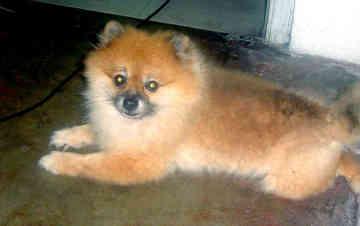
Why Your Pomeranian Needs Professional Grooming
Pomeranians pack an astonishing amount of coat into a very small body. These 3 to 7 pound dogs have a double coat so dense and voluminous that they look two to three times their actual size when properly groomed. That magnificent puff is not self-maintaining.
Professional grooming keeps your Pomeranian comfortable, healthy, and looking like the tiny lion they are supposed to resemble. Here is why it matters more than you might think.
The Pomeranian Coat: Giant Coat, Tiny Dog
Pomeranians are the smallest member of the Spitz family, and they inherited the Spitz coat in miniature. The coat consists of:
- A dense, thick undercoat that is soft and cottony. It provides insulation and creates the puffball volume that defines the breed.
- A longer outer coat of harsh, straight guard hairs that stand off the body. These give the Pomeranian its distinctive outline.
According to breed coat density studies, Pomeranians have one of the highest hair-per-square-inch counts of any toy breed. They carry proportionally more coat than dogs ten times their size. That density creates grooming needs that significantly exceed what their size would suggest.
What Professional Grooming Does for Your Pom
A professional Pomeranian grooming session addresses specific breed needs:
Thorough undercoat removal. The dense undercoat sheds regularly and, when not removed, compacts against the skin. Professional high-velocity dryers and proper brushing techniques remove loose undercoat far more effectively than home brushing alone.
Breed-appropriate shaping. The Pomeranian silhouette should look round and balanced, with a profuse mane around the neck and shorter hair on the face and legs. Achieving this requires skillful trimming that maintains the coat's natural volume without making it look chopped.
Sanitary and hygiene trimming. The dense coat around the rear, belly, and paw pads needs regular trimming for cleanliness and comfort.
Skin assessment. Under all that fluff, Poms can develop skin issues that are completely invisible from the outside. A groomer's hands-on work reveals problems you would never spot through the coat.
Nail care. Pomeranian nails need regular trimming. Their small size means nails that are even slightly overgrown can affect their gait significantly.
Here is a surprising fact: Pomeranians are descended from large sled-pulling dogs from the Arctic region of Pomerania (modern-day Germany and Poland). The original Pomeranians weighed 30 to 50 pounds. Through selective breeding, particularly by Queen Victoria in the 1800s, the breed was miniaturized to its current toy size. But the coat density was preserved from those Arctic ancestors, which is why a 5-pound Pom has a coat that rivals dogs many times its size.
The Pomeranian "Ugly Phase" and Why It Matters
Between roughly 4 and 10 months of age, Pomeranian puppies go through what breeders call the "puppy uglies" or "ugly phase." The fluffy puppy coat sheds out to make way for the adult coat, and during the transition, the dog can look sparse, patchy, and decidedly un-Pomeranian.
This is completely normal and temporary. But it is also the stage where professional grooming becomes important. A groomer experienced with Pomeranians can:
- Manage the transition between coat types
- Remove dead puppy coat that is hanging on
- Shape the emerging adult coat properly
- Reassure you that your Pom is not going bald
Grooming Mistakes That Damage Pomeranian Coats
Pomeranians have specific grooming vulnerabilities that make professional care important:
Shaving or close-clipping. This is the most damaging mistake. Pomeranian coats that are shaved often do not grow back properly. The condition, called post-clipping alopecia, can leave patches of permanent hair loss or a coat that grows back thin and patchy. This is especially common in Pomeranians compared to other breeds.
Over-bathing. Pomeranians need bathing every 4 to 6 weeks, not weekly. Over-bathing strips the natural oils from the coat and skin, leading to dryness, breakage, and a dull appearance.
Rough brushing. The undercoat is dense but the skin underneath is delicate. Aggressive brushing can cause brush burn and irritation.
Ignoring the undercoat. Surface brushing makes the outer coat look nice but leaves dead undercoat compacted against the skin. This leads to hot spots and skin problems.
How Often Should Your Pomeranian See a Groomer?
The recommended schedule:
- Professional grooming every 4 to 8 weeks depending on coat density and your home maintenance routine.
- Home brushing 2 to 3 times per week with a slicker brush and undercoat comb.
- Daily brushing during shedding season.
Choosing a Groomer for Your Pomeranian
Look for:
- Toy breed experience. Working on a 5-pound dog requires different handling than a 50-pound dog. Gentleness and precision are essential.
- Understanding of Spitz breeds. The Pomeranian silhouette is specific to Spitz breeds and requires knowledge of how the coat should look naturally.
- No-shave approach. A groomer who suggests shaving your Pomeranian does not understand the breed's coat regrowth issues. Walk away.
- Proper drying technique. Poms should be dried with a dryer, not cage-dried. The undercoat needs to be blown out, not compressed.
Between Professional Visits
Home maintenance keeps things manageable between grooming appointments:
Your Pomeranian's coat is their crowning glory. It is also a significant responsibility. Find a groomer who respects the breed, stick to a schedule, and never let anyone near your Pom with clippers set to shave. That coat is worth protecting.
Frequently Asked Questions
How often should a Pomeranian be professionally groomed?
Every 4 to 8 weeks depending on coat density and home maintenance. More frequent visits during seasonal shedding periods help manage the undercoat.Can I shave my Pomeranian in summer?
Absolutely not. Pomeranian coats are highly susceptible to post-clipping alopecia, where the coat does not grow back properly after shaving. Some Pomeranians never fully regrow their coat. Professional deshedding and light trimming are the safe alternatives.Why does my Pomeranian's coat look thin or patchy?
If your Pom is 4-10 months old, it is likely the normal puppy ugly phase. In adult Poms, thinning can indicate nutritional deficiency, thyroid issues, or hormonal changes. Consult your vet if an adult coat thins unexpectedly.What is the best brush for a Pomeranian?
A quality slicker brush for regular maintenance and an undercoat comb or rake for reaching the dense undercoat. Use the slicker brush 2-3 times per week and the undercoat comb once per week.Do Pomeranians shed a lot?
Moderately to heavily. They shed undercoat year-round with heavier shedding in spring and fall. The volume is impressive for their size. Regular brushing and professional deshedding keep it manageable.---
Ready to streamline your grooming workflow? PawOps Board Manager helps salons track every Pomeranian from check-in to pickup with real-time visibility. Start your free 30-day trial →