Understanding Your Puggle's Coat: What Every Owner Needs to Know
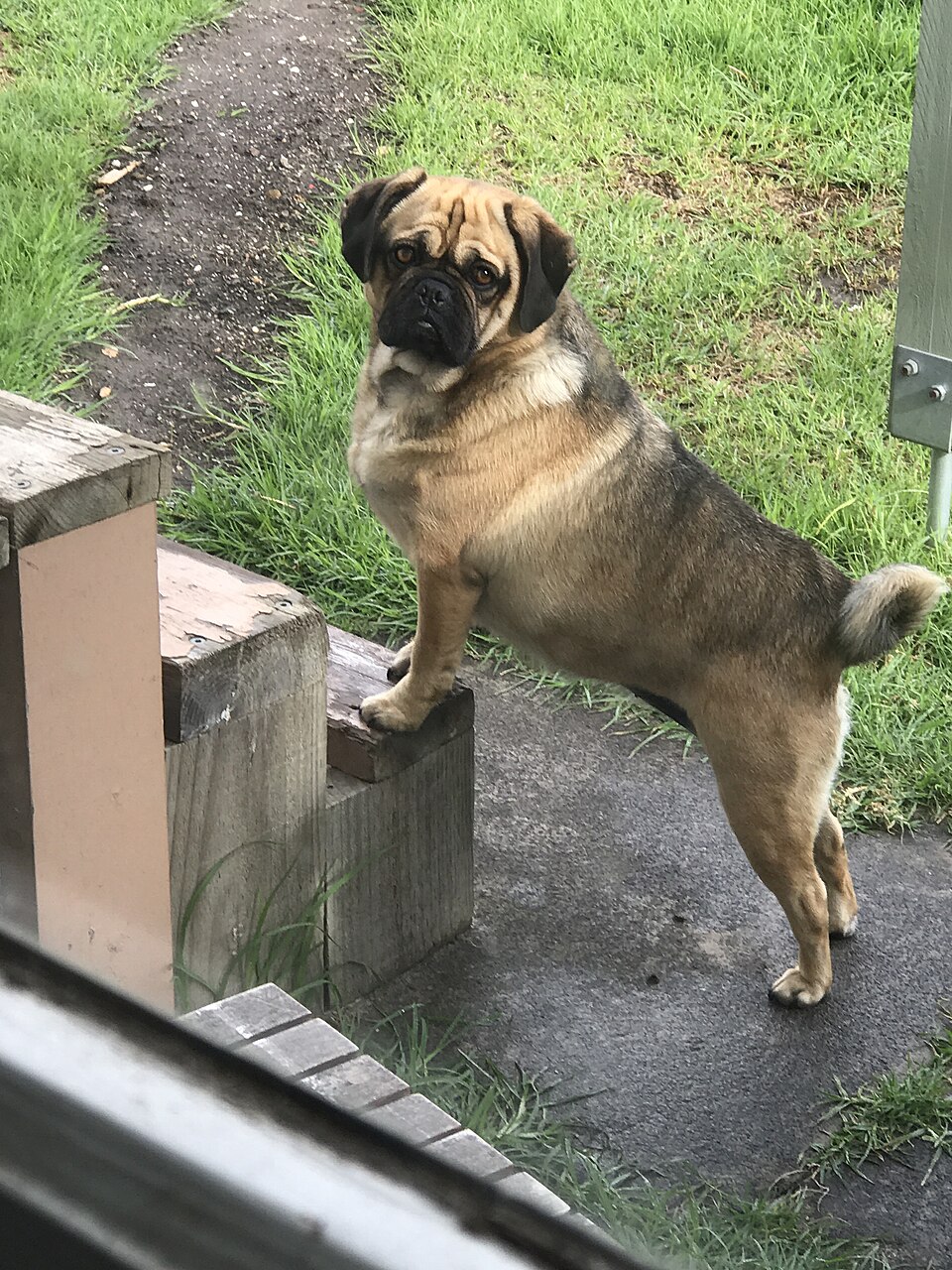
Understanding Your Puggle's Coat: What Every Owner Needs to Know
The Puggle's coat looks simple. Short, smooth, easy. But there is a lot more going on under the surface than meets the eye -- literally. This Pug-Beagle cross has a double coat with specific characteristics that affect shedding, skin health, and grooming needs in ways that catch many owners off guard. Let us get into what your Puggle's coat actually is, how it works, and what you need to do to keep it healthy.
The Double Coat Explained
Both the Pug and the Beagle have short, dense double coats. This is the defining trait of your Puggle's coat, and it explains almost everything about how the coat behaves.
A double coat consists of two distinct layers:
The undercoat is soft, dense, and insulating. It sits close to the skin and serves as a temperature regulation layer -- keeping your dog warm in cold weather and, counterintuitively, helping to insulate against heat as well. This undercoat is the source of most shedding.
The outer coat (guard coat) is made up of coarser, shorter hairs that protect the skin from sun, water, dirt, and minor abrasions. These hairs are what you see when you look at your Puggle.
The interplay between these two layers is what makes Puggle coat care different from single-coated breeds. The undercoat cycles through growth and rest phases, which means it periodically loosens and sheds in volume. The outer coat stays more consistent but still turns over gradually.
How Parent Breed Genetics Affect Your Puggle's Coat
Because the Puggle is a designer cross, coat characteristics vary from dog to dog. Here is what each parent contributes:
Pug Influence
- Thicker, plushier undercoat -- Pugs have a remarkably dense undercoat for their size
- Heavier shedding -- Pugs are infamous shedders, often surprising owners who associate small dogs with low shedding
- Possible skin folds -- wrinkles around the face that require specific care
- Slightly softer outer coat -- the guard hairs tend to be finer
Beagle Influence
- Sleeker, closer-lying coat -- Beagle coats sit tighter to the body
- Slightly coarser texture -- the outer coat has more weatherproofing
- Moderate undercoat -- present but typically less dense than the Pug's
- Better water resistance -- Beagles were bred as hunting dogs and have more weather-resistant coats
Shedding: The Full Picture
Let us be totally straight about this: Puggles shed. They shed more than most people expect for their size, and there is no way around it.
Here is a surprising fact that changes how many owners think about Puggle shedding: according to veterinary coat research, Pugs shed more per square inch of body surface than almost any other breed, including many large dogs. When you combine Pug genetics with Beagle genetics -- another consistent shedder -- you get a small dog that produces a disproportionate volume of loose hair.
Shedding happens year-round but intensifies during two seasonal periods:
Spring shed (coat blow): The thick winter undercoat loosens and comes out in volume as the weather warms. This typically lasts two to four weeks and is the heaviest shedding period of the year.
Fall shed: A lighter transition as the summer coat gives way to the denser winter undercoat growing in. Less dramatic than spring but still noticeable.
During these seasonal transitions, daily brushing and professional deshedding treatments make a significant difference in how much hair ends up on your furniture.
Coat Colors and Patterns
Puggles come in a range of colors, reflecting the diversity of both parent breeds:
- Fawn -- the most common, ranging from light cream to deep apricot
- Black -- solid or with tan points
- Tan and brown -- various shades
- Tricolor -- black, tan, and white (Beagle influence)
- Brindle -- less common but possible
- Lemon -- very light tan or cream
Most Puggles' coat color remains stable after puppyhood, unlike breeds with single coats that undergo dramatic color changes. The color your Puggle settles into by around six to eight months is likely their permanent adult color.
Skin Care: The Coat Beneath the Coat
Puggle skin deserves its own section because it is often more demanding than the coat itself.
Skin Folds
Puggles with Pug-dominant facial structure inherit wrinkles that need regular cleaning. These folds trap moisture, bacteria, and food debris. Left uncleaned, they develop fold dermatitis -- redness, odor, discharge, and discomfort.
Clean folds at least weekly (daily for dogs with deep wrinkles):
Allergies and Sensitive Skin
Both Pugs and Beagles are prone to environmental and food allergies that manifest as skin issues -- itching, hot spots, redness, and excessive scratching. If your Puggle seems constantly itchy, talk to your vet about allergy testing. Diet changes and medicated shampoos can make a significant difference.
Sun Sensitivity
Puggles with lighter coats or thinner hair coverage on the belly and ears can be sensitive to sun exposure. If your Puggle spends extended time outdoors, pet-safe sunscreen on exposed areas (nose, ears, belly) is worth considering during peak UV months.
How to Care for Your Puggle's Coat at Home
Brushing Routine
Brush your Puggle two to three times per week with these tools:
- Rubber curry brush -- the best tool for loosening dead undercoat on a short coat. Use in circular motions.
- Bristle brush -- follow up to smooth the outer coat and distribute natural oils.
- Deshedding tool (like a Furminator) -- use once a week, gently. Do not press hard or over-brush one area, which can irritate the skin.
Bathing
Bathe your Puggle every four to six weeks, or as needed if they get dirty. Use a gentle, moisturizing shampoo -- avoid harsh formulas that strip the natural oils that protect the double coat. Always dry thoroughly, especially in the skin folds.
Seasonal Adjustments
During spring and fall shedding seasons:
- Increase brushing to daily
- Schedule professional deshedding treatments every four weeks
- Add a light omega-3 supplement to support coat health during transitions
Common Puggle Coat Myths
Myth: Short coats do not need professional grooming. Reality: Short double coats need professional deshedding, skin assessment, and ear care that home grooming cannot fully replicate.
Myth: Puggles are low-shedding because they are small. Reality: Puggles are moderate to heavy shedders. Size has nothing to do with shedding volume -- coat type does.
Myth: You should shave a Puggle in summer to keep them cool. Reality: Never shave a double coat. The undercoat provides insulation against heat as well as cold. Shaving disrupts the coat's natural temperature regulation and can lead to sunburn and irregular regrowth.
PawOps tracks coat density, skin condition, and shedding patterns for every pet, helping groomers deliver precisely the right deshedding treatment for your Puggle's specific coat type.