Why Your Puggle Needs Professional Grooming (Even With That Short Coat)
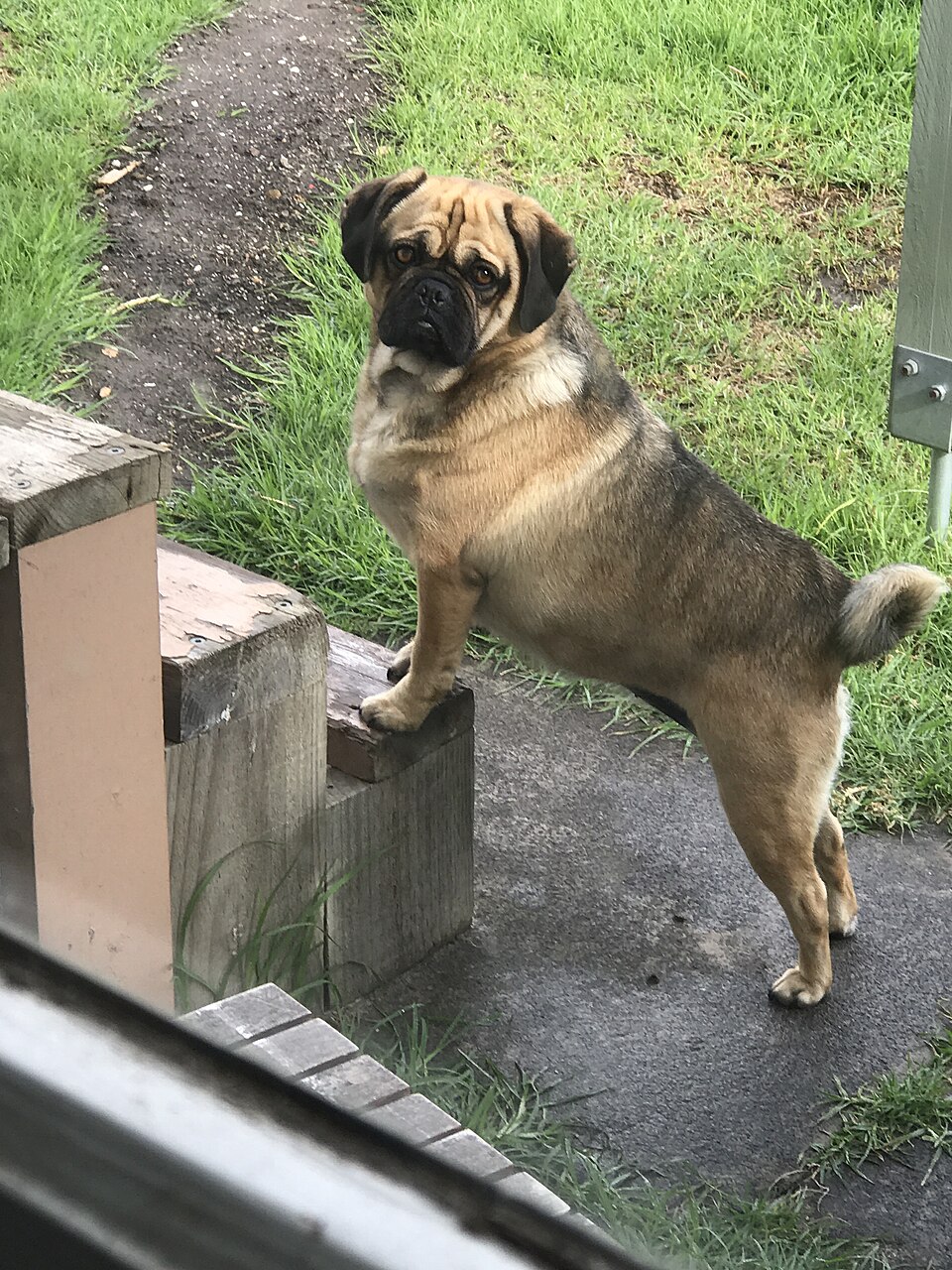
Why Your Puggle Needs Professional Grooming (Even With That Short Coat)
Puggle owners often think they lucked out in the grooming department. Short coat, no haircuts needed, just give the dog a bath at home and call it done. Right?
Not exactly. The Puggle -- a cross between a Pug and a Beagle -- has grooming needs that are genuinely easy to underestimate. That short coat sheds way more than most people expect, and the Pug side of the family tree brings skin fold issues that need professional attention. Let us walk through why your Puggle should be seeing a groomer regularly, even though they will never need a fancy haircut.
The Puggle Coat Is Deceptively High-Maintenance
Both the Pug and the Beagle have short, dense, double coats. Your Puggle almost certainly inherited this double-coat structure -- a soft, insulating undercoat beneath a coarser outer coat. And double coats shed. A lot.
Here is the thing nobody tells you at the breeder: Puggles are among the heaviest shedders in the designer breed world. Both parent breeds are notorious shedders individually, and when you combine those genetics, you get a dog that produces an impressive volume of loose hair relative to its size. According to grooming industry surveys, double-coated small breeds release two to three times more hair per square inch of body surface than single-coated breeds of similar size.
Professional groomers have specialized deshedding tools and techniques that remove loose undercoat far more effectively than a brush at home. A single professional deshedding session can dramatically reduce the amount of hair on your furniture for weeks.
Skin Fold Care: The Hidden Grooming Need
This is where the Pug genetics show up in a big way. Many Puggles inherit some degree of facial wrinkling from their Pug parent. The depth of these folds varies -- some Puggles have deep wrinkles around the nose and forehead, while others have subtle creases that are easy to overlook.
Those folds are not just cosmetic. They trap moisture, food particles, dirt, and bacteria. Left uncleaned, skin folds become breeding grounds for yeast and bacterial infections. You might notice a musty smell, redness, or discharge between the folds -- all signs of fold dermatitis.
Professional groomers clean and dry skin folds as part of the grooming process. They know how to gently separate each fold, clean with appropriate solutions, and dry thoroughly. This is a task many owners struggle with at home because the dog squirms, the folds are hard to access, and it is easy to miss spots.
The Pug Dog Club of America recommends cleaning facial folds at least weekly, with more frequent cleaning for dogs with deeper wrinkles. A professional groomer handling this every four to six weeks, combined with your at-home maintenance between visits, keeps the problem in check.
What Professional Grooming Does for a Puggle
A professional grooming session for a Puggle is not about haircuts and fancy styling. It is about skin health, coat management, and catching problems early.
Deshedding Treatment
This is the main event for Puggle grooming. A professional deshedding treatment involves a specialized shampoo that loosens dead undercoat, followed by high-velocity drying that blows out the loose hair, and then a thorough brush-out with deshedding tools. The amount of hair that comes out during a professional deshedding session is genuinely shocking if you have never seen it. Many owners describe it as "getting a whole other dog out of the dog."
Skin and Fold Inspection
A groomer examines the skin while bathing and drying. They can spot early signs of allergies, hot spots, fungal infections, and parasites that you might not notice under the coat at home. For Puggles with facial folds, the groomer cleans and assesses each wrinkle for redness or irritation.
Ear Cleaning
Beagles are prone to ear infections because of their floppy ears that trap moisture and reduce airflow. Puggles often inherit these ears. Professional groomers clean the ear canal and check for signs of infection -- redness, unusual odor, discharge, or excessive wax. The American Kennel Club reports that floppy-eared breeds are significantly more likely to develop ear infections than prick-eared breeds.
Nail Trimming
Puggles are active dogs, but unless they spend a lot of time on concrete or asphalt, their nails need regular trimming. Overgrown nails affect gait and can lead to joint problems over time. Professional groomers trim to the appropriate length and can identify quicks that have grown too long from neglect.
Anal Gland Check
Smaller breeds can have issues with anal glands that do not express naturally. Many groomers check and express anal glands as part of the grooming service. This is one of those things most owners really do not want to handle at home.
What Happens When You Skip Professional Grooming
The consequences of skipping grooming for a Puggle are different from long-coated breeds -- no mats -- but they are just as real:
- Excessive shedding fills your home because the dead undercoat is not being removed efficiently
- Skin fold infections develop quietly and can become serious before you notice symptoms
- Ear infections go undetected until the dog starts scratching, shaking their head, or showing signs of pain
- Nail-related gait issues develop gradually over weeks
- Skin conditions (allergies, hot spots, parasites) progress without anyone examining the skin under the coat
How Often Should Your Puggle See a Groomer
Every six to eight weeks for a standard grooming session. During heavy shedding season -- typically spring and fall when the undercoat is cycling -- consider bumping to every four weeks for deshedding treatments. Your furniture will thank you.
Between visits, brush your Puggle two to three times per week with a rubber curry brush or bristle brush to manage loose hair and distribute skin oils.
A Surprising Fact About Puggle Coats
Here is something that surprises most Puggle owners: Puggles can have two distinctly different coat densities depending on which parent's genetics dominate. Pug-dominant Puggles tend to have a thicker, plushier coat with a denser undercoat. Beagle-dominant Puggles tend to have a sleeker, slightly coarser coat that lies closer to the body. A professional groomer can identify which type your dog has and recommend the right deshedding approach -- because the tools and techniques that work best differ between the two.
The Bottom Line
Your Puggle might not need a haircut, but they absolutely need professional grooming. Deshedding treatments keep your home livable. Skin fold care prevents infections. Ear cleaning catches problems early. And the full-body inspection that happens during every grooming session is your first line of defense against skin and coat issues that develop quietly.
Do not let the short coat fool you. Puggles need professional hands on a regular basis.
PawOps helps grooming salons accurately assess and price short-coated breeds like the Puggle based on coat density, skin condition, and deshedding needs -- not just breed and size.