Understanding Your Yorkshire Terrier's Coat: What Every Owner Should Know
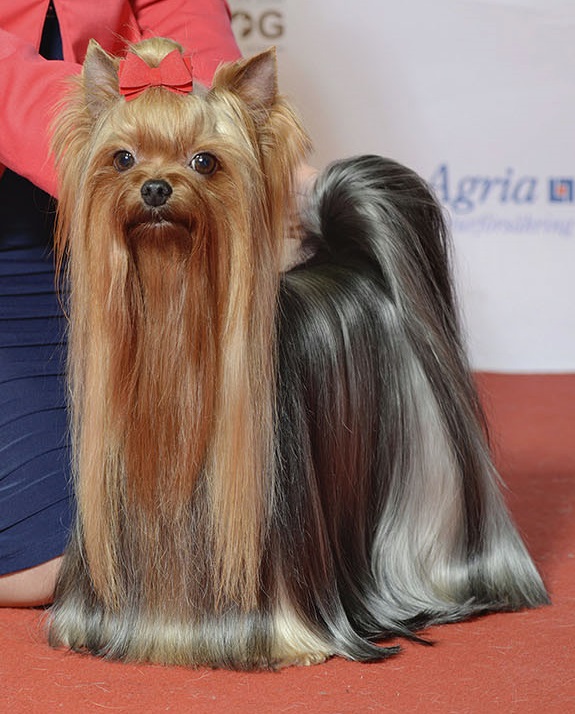
Understanding Your Yorkshire Terrier's Coat: What Every Owner Should Know
The yorkshire terrier coat is unlike almost anything else in the dog world. It's not fur — it's hair, structurally similar to human hair, and it behaves accordingly. Understanding this distinction changes everything about how you care for your Yorkie.
Hair vs. Fur: The Fundamental Difference
Most dogs have fur: a double or single layer of fibers that grow to a genetically determined length, stop, shed, and regrow. Yorkies have hair: a single layer of fine, silky strands that grow continuously without a predetermined stopping point.
This means:
- No seasonal shedding: Yorkies shed minimally, losing individual hairs rather than blowing coat
- Continuous growth: Without trimming, the hair will keep growing — show Yorkies have coats that sweep the floor
- Human-like texture: Fine, silky, and prone to the same issues as human hair — dryness, breakage, split ends
- Tangle-prone: The fine texture catches on itself readily, forming knots that tighten into mats
The Color Change Journey
Here's something that surprises many new Yorkie owners: your puppy won't stay the same color.
Yorkshire Terrier puppies are born black and tan. Over the first 1-3 years of life, the black portions gradually lighten to steel blue (a dark, silvery gray-blue). The tan portions deepen to a rich golden color.
This color transition is governed by the graying gene, which progressively dilutes the black pigment. The process is gradual — owners see their Yorkie's coat slowly transform month by month.
A surprising fact: the final coat color of a Yorkshire Terrier often isn't fully settled until age 3. Some Yorkies retain more black than others, creating individual variation. The "correct" show color — steel blue and tan — is actually relatively rare in pet-line Yorkies. Many stay darker or lighter than the breed standard, and that's perfectly normal.
Texture Through Life Stages
Puppy Coat (Birth to 12 Months)
Soft, slightly wavy, and easy to manage. The puppy coat is shorter, less fine, and more forgiving of irregular brushing. This is the "easy phase" — enjoy it.
Adolescent Transition (12-24 Months)
The adult hair grows in alongside the puppy coat. This overlap period increases tangling significantly. The texture begins shifting from soft-wavy to silky-straight as the adult coat asserts itself.
This is when many owners choose a shorter cut. Managing the transition in a longer coat requires daily brushing and more frequent grooming.
Adult Coat (2+ Years)
The mature Yorkie coat is fine, straight, and silky with a slight sheen. It parts naturally down the spine and hangs evenly on both sides. In a well-maintained long coat, the texture resembles fine human hair.
The adult coat is beautiful but demanding. Skip a few days of brushing and you'll find tangles that weren't there before.
Brushing Technique for Yorkies
Yorkie hair requires gentle technique and the right tools:
Tools
- Pin brush: Primary brushing tool. Look for one with rounded tips to protect delicate skin.
- Fine-tooth metal comb: For checking for tangles after brushing and for face work.
- Detangling spray: Essential. Never brush a dry Yorkie coat — the friction causes breakage.
- Thinning shears: For minor at-home touch-ups between grooms.
The Method
Frequency
- Puppy cut: Every other day
- Medium length: Daily
- Long/flowing coat: Daily, with extra attention after any activity
Common Coat Problems
Breakage
Yorkie hair breaks easily. Causes include:
- Dry brushing (always use spray)
- Brushing too aggressively
- Poor nutrition
- Elastic bands that are too tight on topknots
- Low-quality products that dry out the hair
Topknot Damage
If you keep a topknot, the hair held in the band is vulnerable. Use coated bands that don't grip the hair shaft. Change the topknot position slightly each day to avoid stress on the same hairs. Remove the band daily and brush through the area.
Cotton or Woolly Texture
Some Yorkies have a cottony or woolly texture instead of the silky standard. This is a genetic variation — the coat is softer, thicker, and more prone to matting. It's not a defect, but it does require more frequent grooming and typically looks best in shorter cuts.
What to Discuss With Your Groomer
Between-Visit Care
After baths: Condition the coat and dry completely while brushing straight. Towel-drying creates tangles.
Eye area: Clean daily. Yorkie eyes tear, and the moisture stains light-colored hair and irritates the skin.
Ear area: Check for tangles behind the ears twice daily. This is the fastest-matting zone on a Yorkie.
Topknot: If maintained, rebind daily with fresh, coated bands. Never use rubber bands.
Your Yorkshire Terrier's coat is living hair that grows, changes color, and demands consistent attention. Understanding its unique characteristics — and communicating them to your groomer — ensures your tiny companion stays comfortable, healthy, and looking their best.
---
Ready to streamline your grooming workflow? PawOps Board Manager helps salons track every Yorkshire Terrier from check-in to pickup with real-time visibility. Start your free 30-day trial →
Related Reading: